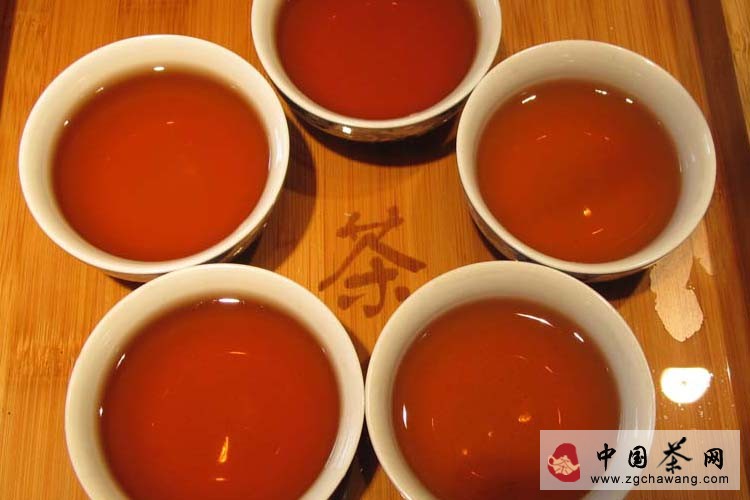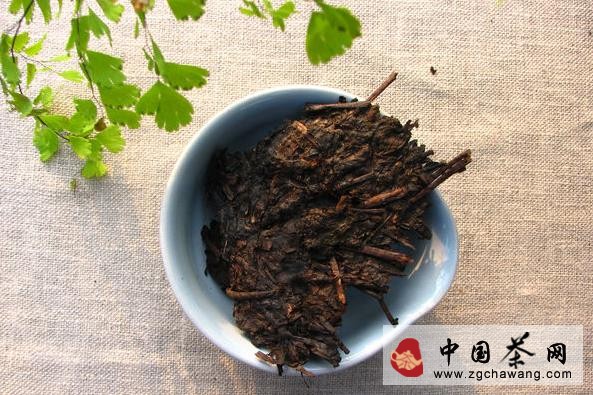
Chinese Tibetan tea, with recorded history dating back to the Tang Dynasty, is an ancient tea over a thousand years old. Before the Tang Dynasty, tea was also called "jia." The "Er Ya · Shi Mu Pian" states: "Jia is bitter tea." In Tibetan, tea is called "jia," which is a translation of the Chinese word "jia" (tea tree). Tibetan tea is the primary daily beverage for minority groups, especially nearly three million Tibetan compatriots, and is known as their "livelihood tea." Throughout history, it has been called by various names such as big tea, horse tea, black tea, dark tea, coarse tea, Southern border tea, brick tea, strip tea, compressed tea, lump tea, and border tea, depending on the period and local customs. It is made from mature tea leaves and red moss harvested from mountains above 1000 meters, undergoing a special process to become a fully fermented tea. Tibetan tea is the most typical dark tea, with a deep brown color and full fermentation.
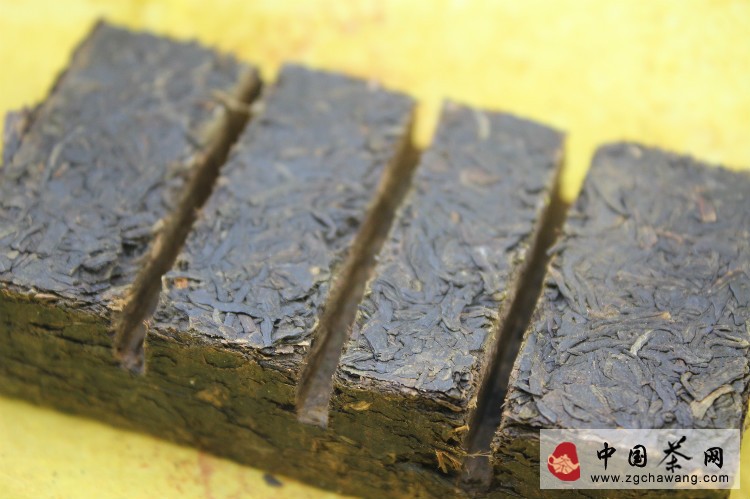
Tibetan tea is the origin of Chinese brick tea, with an extremely complex production process. Due to continuous fermentation, it holds high collection value and is among the most collectible ancient tea types. The making of Tibetan tea is the most time-consuming and complicated among all tea types, generally involving five major steps—mixing tea, smoothing tea, adjusting tea, forming tea, and aging tea—and thirty-two crafts, taking about six months to produce according to ancient methods. Standard Tibetan tea is dark brown with a glossy finish, featuring the four unique characteristics of "Red, Strong, Aged, and Mellow."

In exploring various tea types, medical experts have acknowledged the ancient Tibetan tea, preserved for millennia, considering it the most natural and superior tea beverage. They discovered that on the Qinghai-Tibet Plateau, with strong radiation, high altitude, and oxygen deprivation, the Tibetan diet mainly consists of beef, mutton, cheese, butter, and barley. However, at altitudes above 2500 meters, the boiling point of water is generally between 65-80°C, meaning Tibetan food is often half-cooked. Yet, they rarely suffer from conditions like high blood pressure, high cholesterol, or indigestion. Research found this is closely related to their constant consumption of Tibetan tea. A Tibetan proverb says, "One day without tea leads to stagnation, three days without tea leads to illness." A renowned Japanese tea expert wrote a monograph titled "Complete Guide to Chinese Dark Tea," using clinical data and examples of Tibetan tea preventing and treating diseases to reveal its value to the world.
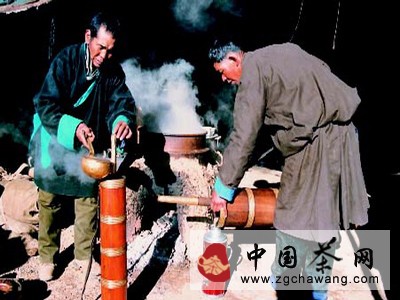
Appreciating Tibetan tea involves four unique characteristics: "Red, Strong, Aged, and Mellow." "Red" refers to the tea soup's transparent red color, lively and lovely; "Strong" means the tea flavor is authentic, refreshing, and satisfying when drunk; "Aged" refers to the aged aroma, with older teas having a richer scent over time; "Mellow" indicates a smooth, sweet taste without bitterness or astringency, with a robust flavor.