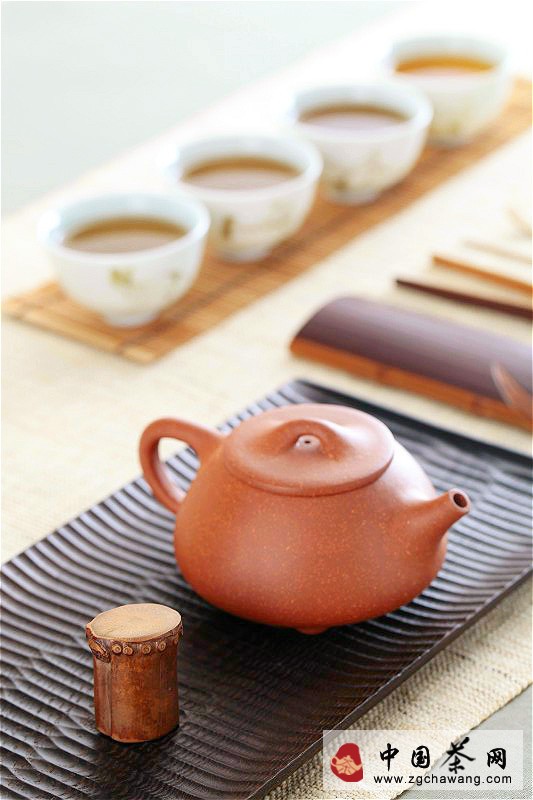
1. Don't drink tea just for the sake of cultivating the teapot; getting a stomach ache isn't worth it. Let it happen naturally, take your time. There's no rush. Savor the tea, savor life.
2. A teapot is for drinking tea. The pot serves the tea. Choose the pot based on the tea. A pot that benefits the tea is a good pot. Practically speaking, a well-cultivated semi-handmade pot used for years is much better than a new pot costing ten thousand.
3. The shape of the pot has the greatest impact on brewing tea. The difference in clay has little effect. Generally, use square pots less.
4. Drinking tea and cultivating pots are elegant activities for self-cultivation. A peaceful mindset is best. Don't clutch the teapot and scrub it frantically as soon as you drink tea, constantly brushing it with a small brush, splashing tea water all over it, muttering: "Diligence keeps the pot from laziness, ten thousand years is too long, seize the day." It's truly inelegant.
5. Be meticulous when initially preparing the pot. Try to remove small sand particles, impurities, and dust from inside and out. It'll be too late if you remember after cultivating it for a while.
6. Poor clay doesn't necessarily mean additives. Some pots may have impure sand in the clay, containing iron, calcium carbonate, too much base clay, insufficient aging time, or insufficient firing temperature, etc. During initial preparation, steep repeatedly to let the pot expand and contract with heat, expelling impurities and clay.
7. Drink all the tea. After finishing, thoroughly clean the pot inside and out, wipe it dry, leave the lid open, invert it, and let it dry completely in a shaded place. Complete drying should take over 48 hours.
8. If not for collection but for practical tea drinking, the difference between fully handmade and semi-handmade isn't huge. Semi-handmade offers better value. A master making fully handmade pots typically slaps the clay about ten times; after firing, the clay has better double permeability. Semi-handmade clay slabs are formed by pressing against a mold, which should be tighter. Theoretically, breathability might be slightly worse, but I haven't felt this difference yet.
9. Internal cultivation is the proper way, but it's very slow. Impatient folks shouldn't try.
10. External cultivation will make it very shiny, and look beautiful when well done, but quickly achieved gloss is often superficial and can be wiped off. External cultivation also reduces the double permeability of the Zisha pot, is不利 for tea, and can easily cause uneven patina. Some clays aren't suitable for external cultivation.
11. Internal and external dual cultivation is a good compromise. Most people use this method.
12. Brewing various grades of tea is a good way to cultivate the pot, just like people who aren't picky eaters are generally healthy.
13. Using Pu'er tea to cultivate a pot will make it oily, relatively fast.
14. Tieguanyin tea makes pots very shiny, also quickly.
15. Green tea is excellent for cultivating pots, but it takes longer.
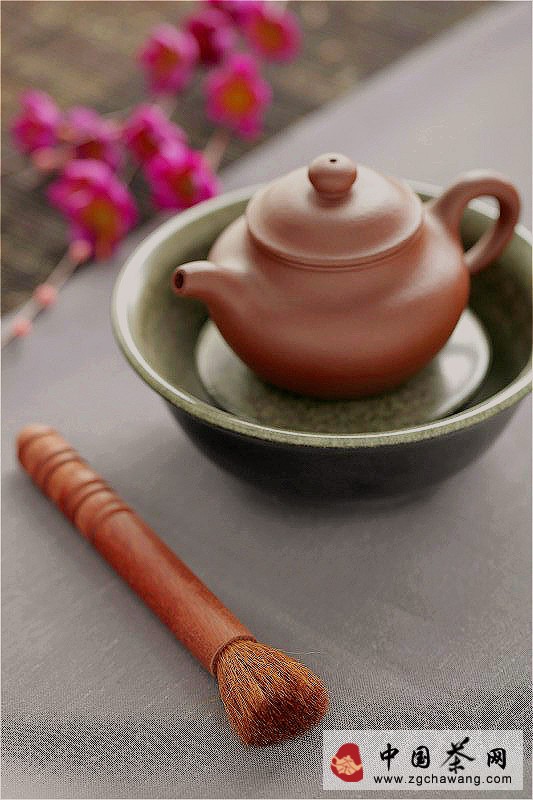
16. Using a pot cultivation pad is不如 using a towel.
17. There's a reason for using one pot for one type of tea; it won't pick up other flavors.
18. Frequent tea drinkers should prepare several pots to use in rotation, allowing pots to rest and dry thoroughly. Generally, a pot used for three consecutive days should rest for three days, so it doesn't become unresponsive to tea.
19. Pouring tea over the pot actually makes sense. It can prevent color difference between the lid and body, and掩盖 some minor flaws like跳砂 or明针 marks.
20. Pots with good clay show cultivation results faster; pots with poor clay show results slower. Choosing a pot with good clay yields twice the result with half the effort.
21. It's best not to leave tea soup in the pot after each use. Rinse with hot water, just like we wash dishes after eating.
22. Pots with poor明针 (final polishing) are difficult to cultivate well.
23. For cultivating sculpted pots (花货), preparing a small brush is necessary. If cultivating externally, use hot water, don't pour tea soup over it.
24. Preparing two towels for pot cultivation is necessary. A wet one for cleaning, a dry one for polishing. Preferably use ones with finer texture, softer, good absorption, and quick drying. After all, it's not sandpaper. The special towels women use for makeup are very good, just more expensive.
25. Smaller pots are better. After all, drinking tea isn't just to quench thirst. Too big, and you can't finish it; you'll always be drinking cold tea, which hurts the stomach. Cultivation is also more troublesome.
26. It's best not to cultivate coarse-sand pots externally; they easily develop uneven patina.
27. Don't have more than twenty pots in your possession; it's very tiring.
28. Different water qualities affect pot cultivation. The mineral water generally used now (bottled or jugged) contains many minerals. When used for tea, always clean water marks left on the pot surface. If not cleaned over time, scale marks will form and are hard to remove.
29. Don't handle the pot with oily hands, and don't place it where there is kitchen grease or smoke. When not in use, keep it in a dry, dust-free place.
30. The last one, remember: Keep pots as far away from children as possible, or you'll regret it.
Join the Tea Network Alliance. Click the top right "Share to Moments" to contribute to the传播 of tea culture together with the Tea Network Alliance.
The Tea Network Alliance is jointly initiated by Beijing Media Network, 3G Tea Industry Network, and Tea Merchant Network. More websites are welcome to join.