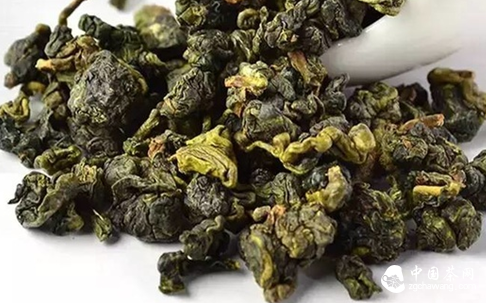
Many tea enthusiasts find Tieguanyin (referring to the light fragrance type in this article) and Dongding Oolong difficult to distinguish. By comparing the two, some useful identification tips can be found.
▏Similarities
1. Both belong to the Oolong tea category, being semi-fermented teas.
2. Similar appearance: hemispherical or spiral shape.
3. Appearance of leaves after brewing: green stem, green belly, red edges.
▏Differences
1. Different tea plant varieties.
2. Different fermentation levels: Tieguanyin 8–18%, Dongding Oolong 20–70%.
3. Different processing techniques: Tieguanyin does not involve a "softening" step in its production, while Dongding Oolong does.
▏Identification Techniques
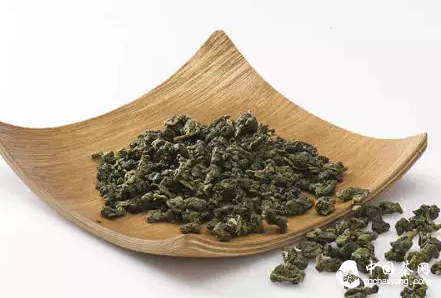
1. Observe the color: Tieguanyin, due to its lower fermentation level and low-temperature storage, has a sandy green color; Dongding Oolong generally has a higher fermentation level and is roasted, giving it a slightly yellowish-brown hue.
2. Examine the appearance: Dongding Oolong is mostly hemispherical with larger granules and often contains tea stems; Tieguanyin is typically spiral-shaped with smaller granules and fewer stems.
3. Smell the aroma: Before brewing, Dongding Oolong's aroma is generally more intense than Tieguanyin's.
4. Brew and smell the aroma: When brewed in equal amounts, Tieguanyin has a very rich fragrance, while Dongding Oolong's is lighter, with osmanthus or fruity notes.
5. Observe the infusion color: When brewed in equal amounts, Dongding Oolong, due to its higher fermentation, typically yields a darker liquor.
6. Examine the stems: When brewed in equal amounts, Tieguanyin generally has fewer stems than Dongding Oolong, as the latter is often hand-picked, making stems unavoidable.
7. Taste the tea: When brewed in equal amounts, Dongding Oolong has a stronger osmanthus or ripe fruit aroma and a more pronounced sweet aftertaste.
8. Durability through multiple brews: Generally, Dongding Oolong, with its higher fermentation, is more durable and can be brewed at least six times, while Tieguanyin is less so.
9. Examine the brewed leaves: After multiple infusions, Dongding Oolong leaves remain intact and retain toughness when pulled apart; Tieguanyin leaves tend to break more easily and have less resilience.