The Sentiment of Oolong Tea
Tea tasting is an activity appreciated by both the elegant and the common. When tasting tea, the louder the sound of inhaling and rolling the tea in the mouth (letting the tea water swirl in the mouth), the higher the praise for the tea and the greater one's tea-tasting skill. This also helps lower the water temperature and prevents tongue burns.
The Mellow Aroma of Oolong Tea
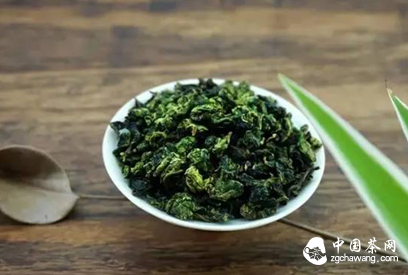
Oolong tea is also known as green tea, belonging to the semi-fermented tea category. Its quality characteristics include a bluish-brown dry tea leaves, yellowish-red liquor, natural floral aroma, rich and mellow taste with a sweet aftertaste, and a distinct feature in the brewed leaves different from other teas—"green leaves with red edges, three parts red and seven parts green." It is mainly divided into Southern Fujian Oolong, Northern Fujian Oolong, Guangdong Oolong, and Taiwan Oolong.
The Story of Oolong Tea
During the Yongzheng era of the Qing Dynasty, there was a tea farmer named Oolong in Anxi County, Fujian Province. One day, he carried a tea basket and a gun up the mountain to pick tea and ended up hunting a river deer. Returning home, Oolong and his whole family were busy slaughtering and tasting the game, forgetting about processing the tea leaves. The next day, they remembered to fry the "tea greens" picked the previous day. Unexpectedly, the fresh leaves left overnight had developed red edges and emitted a阵阵清香. When the tea was finished, its flavor was exceptionally fragrant and rich. After careful contemplation and repeated experiments, Oolong finally created a new, high-quality tea variety—Oolong tea. Anxi thus became the famous hometown of Oolong tea.
Selecting Oolong Tea
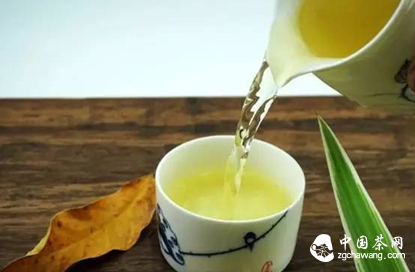
Good tea should have vibrant color, subtly hidden red edges, and a frosted, sand-green appearance like frog skin. Winter tea is emerald green, while spring tea is dark green. Hold the dry tea close and inhale three times; if the fragrance becomes progressively stronger and persists, it is good tea. To test tea, just use a porcelain cup, 5g of tea leaves, pour 150cc of boiling water, let it steep for 5 minutes, then take a small spoon, push aside the leaves to observe the liquor color. Good tea liquor should be bright and rich, ranging from pale yellow, honey yellow to golden yellow, all appearing vibrant and lovely depending on the variety and processing method. Smell first, then taste. Good tea should not have a grassy green taste, and even when the tea cools, its aroma should remain. In summary, the principle for selecting tea is to use fewer leaves, more water, and a long steeping time, so the tea's strengths and weaknesses are fully revealed, leaving nothing hidden.
Favorite Oolong Tea
Beauties love Oolong tea the most. Drinking Oolong tea not only allows one to fully enjoy its sweetness and sentiment but is also an extremely beneficial drink for health. It can lower blood pressure, prevent arteriosclerosis, aid digestion, delay aging, enhance immunity, and is particularly effective in decomposing fat, weight loss, and body shaping. Therefore, in Japan, it is called "Beauty Tea" and "Fitness Tea."
Tieguanyin is the Premium Choice
Tieguanyin, belonging to the Oolong tea category, is one of China's top ten famous teas and a representative of Oolong teas. It is between green tea and black tea, falling under the semi-fermented tea category. It possesses the general health benefits of tea and also has effects such as anti-aging, anti-cancer, anti-arteriosclerosis, preventing and treating diabetes, weight loss and body shaping, preventing dental caries, clearing heat and reducing internal heat, counteracting smoke effects, and sobering up from alcohol. In 2010, it appeared at the Shanghai World Expo as the "Leading Tea among the Top Ten Famous Teas."