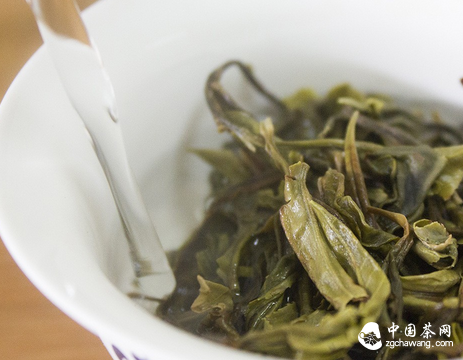
Undoubtedly, the tasting experience is a key indicator for measuring the quality of Pu-erh tea. The tasting experience can include the following aspects:
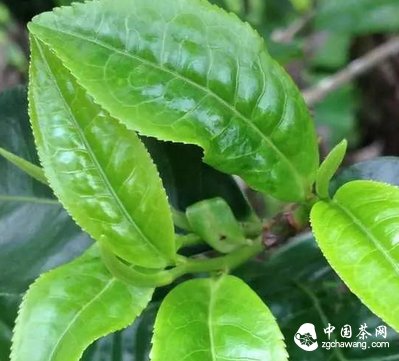
[Initial Affinity upon Entry] Bitterness, Astringency, and Aroma Purity
Although it is said that good tea is not afraid of bitterness, if it is too bitter, it is undoubtedly difficult to accept. However, a slight sense of bitterness is still acceptable; having almost no bitterness indicates even better affinity. High-quality products should have moderate bitterness and astringency that dissipates quickly. When the tea soup enters the mouth, it should feel richly aromatic and give a sense of醇厚 (mellow thickness), which is the first essential element of good tea.
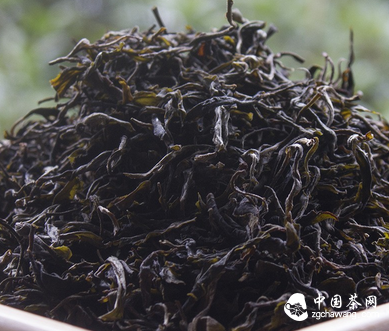
[Sensation in the Mouth] Let the tea soup flow in the oral cavity and feel carefully whether any defects are amplified, mainly referring to bitterness, astringency, and the coarseness/fineness of the水路 (water path/texture).
After the tea soup enters the mouth, do not rush to swallow it. Instead, let it gently circulate in the mouth, allowing it to flow over all areas so that all taste buds can carefully perceive it. At this moment, both the advantages and disadvantages of the tea will be amplified. If sipping good tea, it will feel wonderfully indescribable, with the mouth filled with the aroma of tea. If bitterness and astringency are noticeable, they will be further amplified. If bitterness and astringency dissipate quickly, the回甘生津 (sweet aftertaste and saliva production) will also be more moderate.
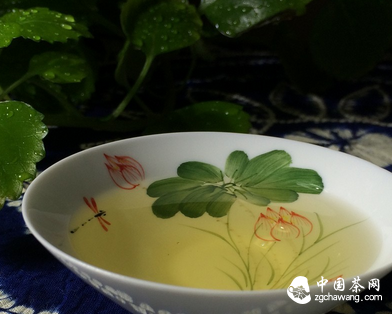
[Swallowing Sensation] Smooth or with a阻滞感 (Obstructive Feeling)
Whether the tea soup is smooth or has a阻滞感 (obstructive feeling) can often be felt during swallowing. High-grade Pu-erh tea soup requires smoothness, and when swallowing, it should feel instantaneous and clean without any drag. In contrast, tea soup with a strong阻滞感 (obstructive feeling) does not provide such a wonderful experience when entering the throat; one generally feels a slight粗糙感 (roughness).