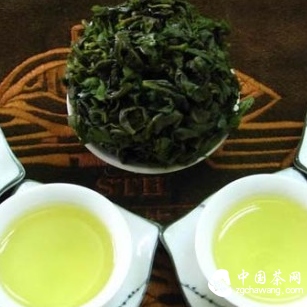
Methods to Identify Authentic Tieguanyin Autumn Tea
To skillfully distinguish authentic Tieguanyin autumn tea, you can start from three aspects: color, taste, and aroma. The color changes from bright green to dull grayish-brown, the taste becomes less rich and fresh due to oxidation, and the aroma loses its freshness. Additionally, you can identify i...
Tea News · Jun 24, 2026

Why Should You Drink Pure Ancient Tree Pu'er Tea
Pure ancient tree Pu'er tea is a top choice for its safety, rich nutrition, unique taste, and long-term value. Grown in remote, pollution-free environments, these ancient trees require no pesticides or fertilizers, offering a natural and healthy option. Their deep roots absorb more nutrients from th...
Tea News · Apr 29, 2026
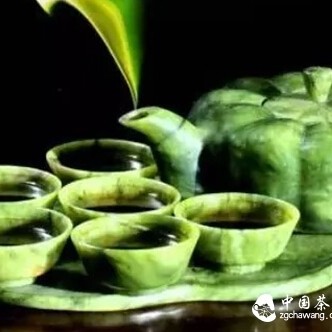
Tips for Distinguishing Raw Tea and Ripe Tea!!!
Raw tea and ripe tea are two main categories of Pu-erh tea, distinguished primarily by their processing methods and resulting characteristics. Raw tea undergoes minimal processing after picking: it is pan-fired, rolled, sun-dried, and then compressed. Its leaves are typically green to dark green, an...
Tea News · Feb 24, 2026
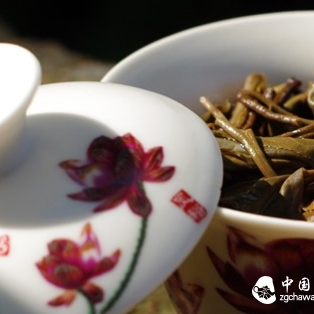
There is no superior tea, only what suits your taste!
The article explores the idea that there is no absolute 'best' when it comes to preferences like seasons, shoes, or tea. It argues that the value of tea is subjective and personal, encapsulated in the saying '茶无上品,适口为珍' (There is no superior tea, only what suits your taste . The taste of tea is inte...
Tea News · Jan 25, 2026
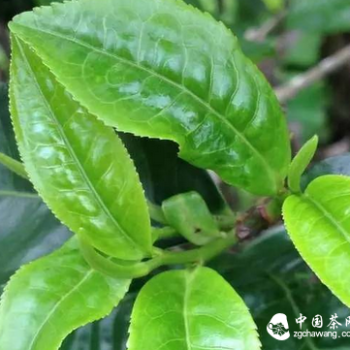
The Sensation of Sipping Pu-erh Tea Soup in the Mouth
The tasting experience is undoubtedly a key indicator for evaluating the quality of Pu-erh tea. It primarily encompasses the following aspects: the initial affinity upon entry, including bitterness, astringency, and aroma purity; the mouthfeel as the tea soup flows through the oral cavity, where its...
Tea News · Jan 08, 2026

How Long is the Shelf Life of Da Hong Pao?
Da Hong Pao tea is highly valued for its rich nutritional content and numerous health benefits. It is known that its aroma and flavor can improve with proper aging. Many people purchase Da Hong Pao to store at home. Generally, for packaged Da Hong Pao, the shelf life is indicated on the packaging, u...
Tea News · Jan 01, 2026
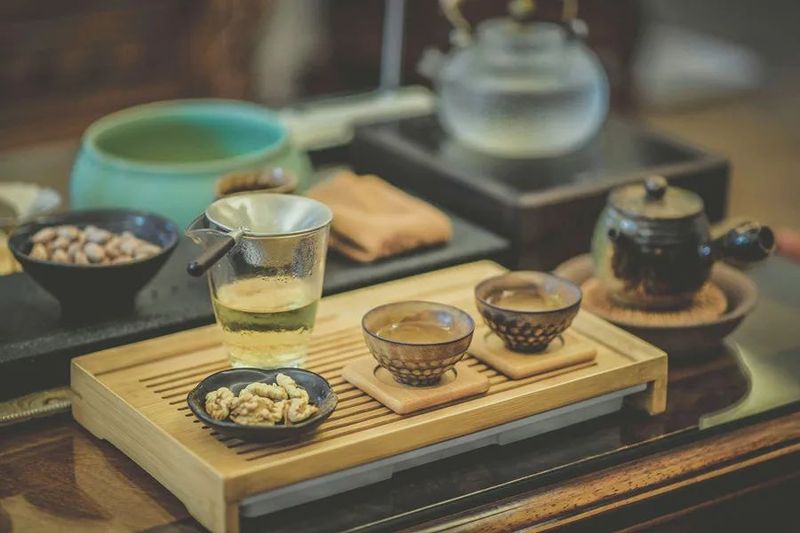
Introduction to the Six Flavors of Tea
Tea is widely enjoyed across all social classes, with flavors ranging from sweet to bitter, light to strong, and thin to thick. It can be distinguished by its tenderness, softness, or hardness, as well as by its smoothness or astringency. The six desirable qualities of tea are: lightness upon enteri...
Tea News · Dec 27, 2025
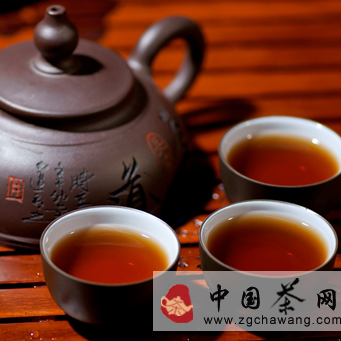
Production and Taste Explanation of Ripe Pu-erh Tea
Ripe Pu-erh tea undergoes an artificial fermentation process, resulting in a unique aroma and flavor profile. It is characterized by a mild tea nature, believed to help regulate qi and warm the stomach, offering significant health benefits. When brewed, it yields a thick, deep reddish liquor with a...
Tea News · Dec 07, 2025

Review Terminology: Common Language for Various Types of Tea
This document provides a standardized terminology system for evaluating the quality of various types of tea, serving as a universal communication language for tea professionals and enthusiasts. It systematically categorizes and defines terms related to dry tea leaf shape, color, infused liquor color...
Tea News · Nov 30, 2025
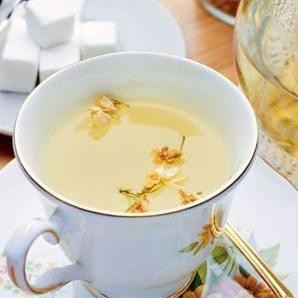
The Taste of Bitter Orange Flower Tea
Bitter Orange Flower Tea, known for its warm and rich aroma similar to orange peel, offers a unique sensory experience. When brewed, it fills the mouth with a delightful blend of floral and fruity notes, accompanied by a slight bitterness. This tea contains beneficial compounds like limonene, linalo...
Tea News · Oct 27, 2025