Why does ancient tree Pu-erh tea become sweeter the more you drink it, while tea from younger, low-age trees becomes bland and tasteless after just a few infusions? The reasons are as follows:
Younger tea trees primarily metabolize nitrogen (N)-based compounds. The tea soup brewed from such leaves has a relatively high freshness and briskness, but lacks in sweetness, thickness, viscosity, and endurance. In contrast, older tea trees mainly metabolize carbon (C)-based compounds. The overall content of carbon compounds is high, with elevated levels of sugars and tea polyphenols in the fresh leaves. The tea soup from such trees tastes thick, viscous, smooth, sweet, and substantial.
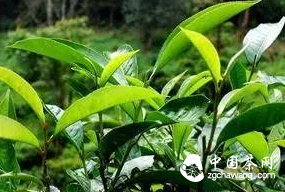
The sweet-tasting substances in tea are mainly water-soluble monosaccharides, disaccharides, and hydrolyzable polysaccharides. Monosaccharides primarily include glucose, fructose, ribose, etc.; disaccharides mainly include maltose, sucrose, lactose, etc. Both monosaccharides and disaccharides are soluble in water and are the sweet-tasting components in tea. Polysaccharides mainly include starch, cellulose, hemicellulose, and lignin, forming the main body of carbohydrates. However, only about 1-2% of this is starch, with the majority being cellulose and hemicellulose. Polysaccharides are oligosaccharides; they are not soluble in water but can be hydrolyzed. After hydrolysis, under the action of salivary enzymes, they are reduced to glucose, producing a sweet taste sensation.
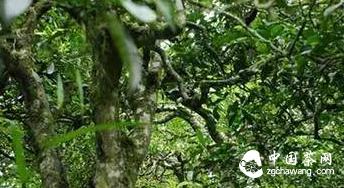
The higher the age of the tea tree, the greater the degree of lignification and fiberization, and the more sugar content it contains. During the brewing process of Pu-erh tea, the infusion of internal substances follows a specific sequence. Compounds like tea polyphenols, theine (caffeine), and amino acids are among the first to infuse. Depending on the amount of tea leaves used and the concentration of each infusion, usually after about ten infusions, these flavor substances have been fully extracted. At the same time, the fibrous materials are completely steeped open, releasing a large amount of sugars stored within the fibers. These sugars are hydrolyzed under the action of salivary enzymes, producing a sweet taste.
In summary, this explains why ancient tree Pu-erh tea becomes sweeter the more you drink it. When tasting, this can also serve as a reference indicator for us to judge the relative age of the Pu-erh tea trees.