Tea Knowledge - Tea Flavors
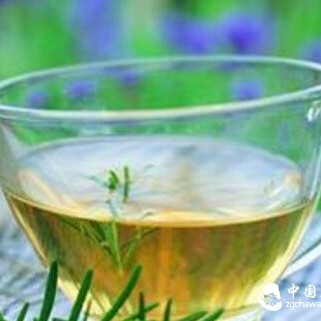
The taste of tea is determined by various flavor compounds such as sugars, amino acids, polyphenols, caffeine, organic acids, and saponins. Among them, polyphenols, amino acids, and caffeine have the greatest impact on tea quality. Astringency comes from phenolic compounds, bitterness from purines (...
Tea News · May 25, 2026
Authentic Jingmai Tea Possesses 'Three Aromas'
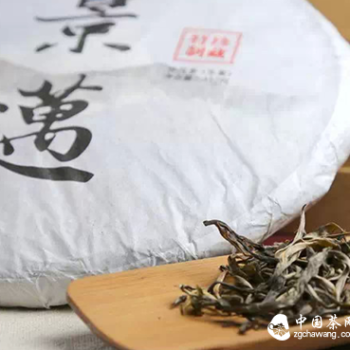
Jingmai tea, renowned as the 'Imperial Concubine' of Pu'er teas, is celebrated for its distinctive and captivating aroma. Grown in the ancient tea gardens of Jingmai Mountain at an optimal altitude of around 1400 meters, these tea trees thrive in a pristine mixed forest ecosystem alongside diverse n...
Tea News · Feb 06, 2026
The Sweetness and Aged Aroma of Pu-erh Tea
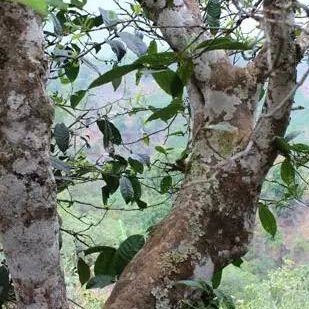
Pu-erh tea is renowned for its distinctive sweetness and aged aroma. The sweetness refers to a pronounced sweet aftertaste upon sipping, stimulating continuous salivation on the tongue, cheeks, and beneath the tongue. This results from the fermentation process, where large carbohydrate molecules bre...
Tea News · Jan 16, 2026
Where Does the Sweetness of Ancient Tree Pu-erh Come From?
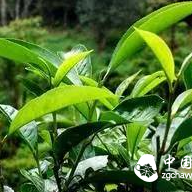
The pronounced and lingering sweetness in ancient tree Pu-erh tea primarily stems from its higher carbohydrate metabolism. Older trees accumulate more sugars (like glucose and fructose and complex carbohydrates (such as starch and cellulose compared to younger trees, which focus more on nitrogen-b...
Tea News · Jan 09, 2026
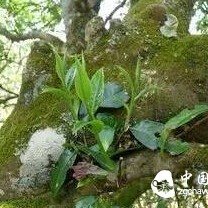
Many People Have Misconceptions in Identifying Ancient Tree Tea
Identifying ancient tree tea requires understanding key characteristics beyond leaf appearance. True ancient trees (300+ years old grow at high altitudes in pristine environments. Core鉴别 factors include: distinctive and persistent aroma reflecting terroir; elegant sweetness on the tongue; golden, t...
Tea News · Oct 12, 2025
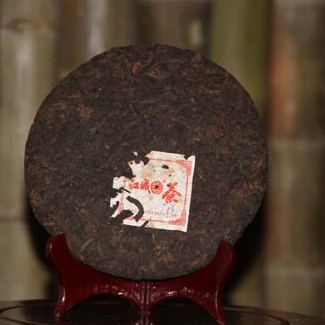
Dong Yue Talks Tea: How to Taste Ripe Pu-erh Tea?
This article provides a detailed guide on how to appreciate and evaluate ripe Pu-erh tea. It emphasizes the importance of cleanliness as the foremost quality due to the complex fermentation process. The key tasting points include thickness, smoothness, mellowness, sweetness, purity, and aroma. The a...
Tea News · Aug 28, 2025
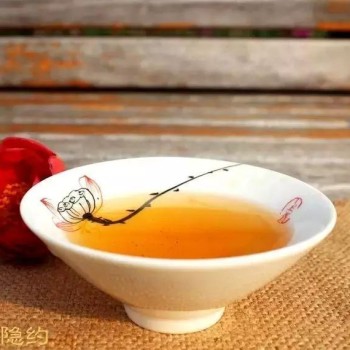
The 'Vitality, Sweetness, Purity, and Aroma' of Rock Tea
The Qing Dynasty scholar Liang Zhangju proposed the four characteristics of Wuyi Rock Tea: 'Vitality, Sweetness, Purity, and Aroma,' with 'Vitality' being the foremost. The tea has a bitter yet sweet taste, described as 'three parts red, seven parts green.' New tea exhibits an orange-yellow hue, whi...
Tea News · Jun 10, 2025
1