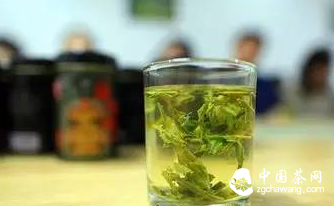
Longjing tea is famous for its "green color, rich aroma, sweet taste, and beautiful shape." Therefore, to enjoy good Longjing tea, one must learn how to select it.
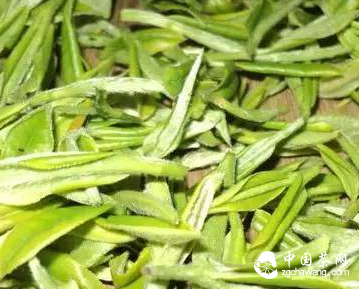
In the process of selecting Longjing tea, "color" is the most crucial factor. Generally, the greener and more lustrous the Longjing tea, the more intense its aroma and the sweeter its taste. Thus, when choosing Longjing, the first step is to examine its appearance, known in professional terms as "dry inspection." High-grade Longjing tea has a flat, straight, and sharp shape, uniform in size, with a tender green and glossy color. Looking at individual buds and leaves, they should meet the standard of the bud being longer than the leaf or parallel to it, without white hairs.
Secondly, selecting Longjing also involves observing its condition after brewing, known as "wet inspection." Good Longjing tea, after brewing, should have a tender green, clear, and bright liquor, with leaves that are relatively uniform in shape, floating in the cup as whole buds. Additionally, the taste of the tea leaves is an important standard for distinguishing quality. Good Longjing tea has a fresh and elegant fragrance, subtle yet not vulgar, with a fresh, mellow, sweet, and smooth taste, without any bitterness or astringency.
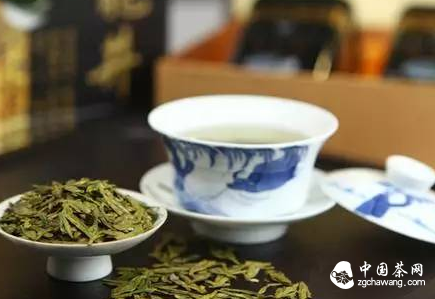
Longjing tea is typically tasted in a glass cup, brewed with water at about 85°C. The ratio of tea to water should be appropriate, usually 1:50 (1 gram of tea leaves to 50 milliliters of water). When brewing, first pour about one-third of the water into the cup to soak the leaves. After the tea releases a light fragrance, then pour water along the side of the cup until it is about 70-80% full. This brewing method results in tea that is moderately strong, fresh and mellow in taste, with tender green leaves.
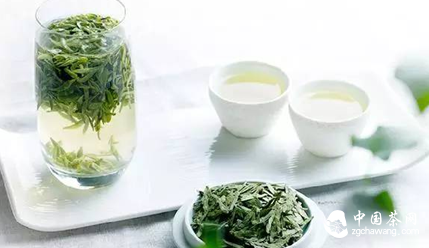
Avoid using boiling water to brew Longjing tea, as it can destroy the chlorophyll in the leaves, turning them yellow; the tea polyphenols and other nutrients in the leaves can also oxidize at high temperatures, causing the tea liquor to turn yellow; many aromatic compounds are volatile at high temperatures, reducing the tea's fragrance.
Furthermore, when drinking Longjing tea, note that you should not wait until the water is completely drunk before adding more. When the first cup is about two-thirds finished, you should add water to drink the second cup. This helps maintain a consistent concentration of the tea liquor.