Drinking white tea in summer can prevent heatstroke and cool down. Traditional Chinese medicine principles prove that white tea is cool in nature and has the effect of reducing fever and dispelling fire. White tea is renowned as "one year tea, three years medicine, seven years treasure," possessing the benefits of three resistances (anti-radiation, anti-oxidation, anti-tumor), three reductions (lowering blood pressure, lipids, and blood sugar), and six nourishments (nourishing the heart, liver, eyes, spirit, qi, and complexion).
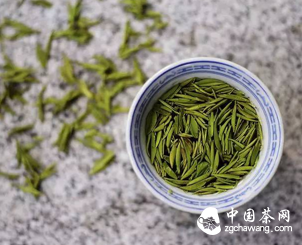
Silver Needle, the Fairy in White Tea
Dressed in white, graceful and slender, slowly unfurling in the water, leisurely releasing wisps of ethereal fragrance. The clear, bright tea soup is like the morning sun on a hillside, enveloping the fairy who has descended to the mortal world. Looking back or gazing into the distance, they gently exhale orchid-like breath, full of joy—here there is morning mist! There is dew! And surely the moonlight of early spring!
This is Silver Needle, a beautiful and elegantly divine tea.
Silver Needle tea buds are plump, covered with white hairs, standing upright like needles, white as silver. Those produced in Fuding have thick down, a white color rich in luster, a light apricot-yellow soup color, and a fresh, refreshing taste. Silver Needle is extremely precious and has high medicinal value. It is cool in nature, possessing the effects of reducing fever and detoxifying fire. Regular consumption can prevent epidemics and cure diseases, praised as "having effects like rhinoceros horn." The picking of Silver Needle is very meticulous and extremely strict, with the so-called "ten no-pick" rules: do not pick on rainy days, do not pick when dew is not dry, do not pick thin buds, do not pick purple buds, do not pick wind-damaged buds, do not pick artificially damaged buds, do not pick insect-damaged buds, do not pick open-heart buds, do not pick hollow buds, and do not pick diseased buds.
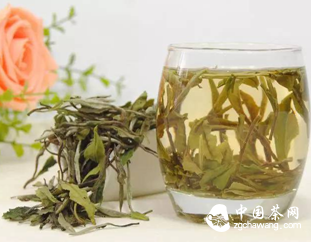
White Peony, the Dancer in White Tea
The one dancing gracefully in the tea must be her. A green dance skirt follows the rhythm of the water in the dance, rising and falling, only seen as shadows and silks—it is the shadow of White Peony. She is White Peony, the dancer in white tea, a unique flower. Because its green leaves are sandwiched with silver-white hairy hearts, resembling flowers, and after brewing, the green leaves hold the tender buds, just like buds beginning to bloom, hence the beautiful name. White Peony is rich in nutrients, can promote saliva production, quench thirst, clear the liver, brighten the eyes, refresh the mind, calm and lower blood pressure, and is often used medicinally. White Peony tea has a high flavonoid content, with extremely strong antioxidant effects. Regular drinking can delay aging, whiten and nourish the complexion.
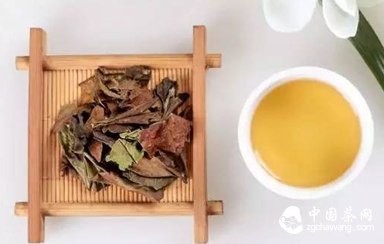
Shou Mei, the Hermit in White Tea
Like fallen leaves swept up in autumn, like scattered sunlight collected in the afternoon, the translucent tea soup is also like autumn light, as if the warm sunshine of spring and summer collected by those tea leaves is all released, soaked in the tea soup. The taste of the soup is also the taste of the sun, warm, with a grassy aroma. The unassuming Shou Mei always gives people a surprise, an inspiration.
Shou Mei is neutral in nature, neither cold nor hot, antioxidant, helps detoxify and promote metabolism. Shou Mei has the effects of reducing fever and dispelling summer heat, making it an excellent drink for summer, bringing mental pleasure and relaxation. Moreover, the tea is rich in amino acids, tea polyphenols, minerals, various vitamins, and trace elements such as zinc and selenium needed by the human body. It has the effects of promoting saliva production, quenching thirst, clearing the liver, brightening the eyes, and refreshing the mind. It is recognized as the safest and most nutritious green healthy drink today.
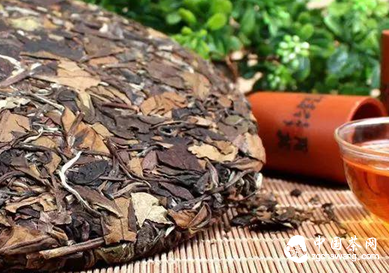
Aged White Tea: Stored for Years, Its Charm Becomes More Evident
During years of storage, the internal components of the tea leaves slowly change. The aroma components gradually volatilize, the soup color gradually turns red, the taste becomes mellow and harmonious, and the tea nature gradually changes from cool to warm. It is quite resistant to brewing and can dispel wind and cold. Aged white tea can not only be used as a medicinal guide in modern Chinese medicine prescriptions, but its efficacy becomes more significant with age, incomparable to new tea.
Aged white tea cakes have a deep, heavy color with brown tones. Gently sniffing, the aged, subtle fragrance comes in waves, the hairy aroma is strong but not muddy, and can immediately refresh the mind. The tea soup color is deeper than the apricot yellow of new tea, the aroma is subtle with a slight hairy fragrance, and carries a light traditional Chinese medicine fragrance. The taste is mellow and sweet. Aged white tea is quite resistant to brewing. Under ordinary brewing methods, it can last for more than twenty infusions, and even later, the flavor is still good. If conditions permit, use a purple clay pot to boil aged white tea to fully reveal its charm and essence.