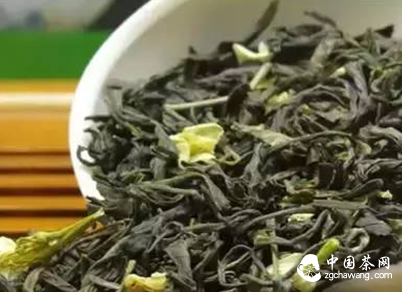
Jasmine Tea - Origin
Heng County in Guangxi is China's largest jasmine production base, named the "Hometown of Chinese Jasmine" by the National Forestry Administration and the China Flower Association. The General Administration of Quality Supervision, Inspection and Quarantine has approved the implementation of geographical indication product protection for Heng County jasmine. The cultivation of jasmine in Heng County has a long history, reportedly spanning six to seven hundred years.
Jasmine from Heng County is known for its early blooming, long flowering period, large buds, strong fragrance, high yield, and excellent quality. Located in southeastern Guangxi, Heng County enjoys a subtropical monsoon climate with ample rainfall, abundant sunlight, and soil high in organic matter, making it highly suitable for jasmine growth.
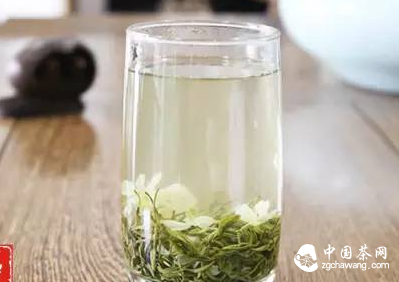
Each year, fresh flowers begin to appear on the market from late April in early summer and continue to bloom until early November, with July and August being the peak flowering season. Heng County jasmine buds are large and plump, with snow-white, crystalline petals and a rich fragrance, making them top-grade for jasmine tea processing. Jasmine tea made from these flowers offers health benefits. Leveraging the unique adsorption properties of green tea and the scent-releasing characteristics of jasmine flowers, a series of processing steps are used to scent the tea. This results in a tea that preserves the rich, refreshing taste of green tea while being infused with the fresh, aromatic fragrance of jasmine. The tea aroma and jasmine floral scent blend harmoniously, "creating the supreme flavor of jasmine, ranked as the world's finest fragrance." Jasmine tea is known to "dispel cold pathogens and relieve depression," making it the premier choice for spring tea consumption.