According to statistics, the current average life expectancy in China is 73.5 years, while the highest national average is only 83.4 years. It is evident that, even today, living to a hundred remains an elusive goal for most people, let alone in ancient times when average life expectancy was much lower.
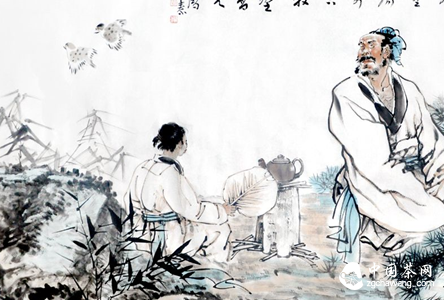
However, over a thousand years ago during the Sui and Tang dynasties, there was a genuine centenarian: Sun Simiao, known as the 'King of Medicine.' Records indicate that Sun Simiao lived to the remarkable age of 141. His longevity was undoubtedly linked to his identity as a medical expert. He understood early on that 'prescriptions and herbal medicine must be studied,' not only curing his own illnesses with extensive medical knowledge but also greatly benefiting from medicine in his health preservation practices.
Legend has it that while Sun Simiao was gathering herbs on the slopes of Mount Taibai at an altitude of 3,500 meters, he suddenly felt parched. Noticing a dense, emerald-green shrub nearby, he picked a leaf to taste and immediately felt refreshed and invigorated. Intrigued, he fetched water, placed it in a cup, boiled it over a fire, and drank the infusion. He found it both revitalizing and calming, surpassing even fragrant tea. Later, he often gave these leaves to patients as tea, curing many of their ailments. From then on, he drank this tea throughout his life, and his 141-year lifespan attested to its health-preserving effects. To commemorate Sun Simiao, later generations named this plant 'Yaowang Tea.'
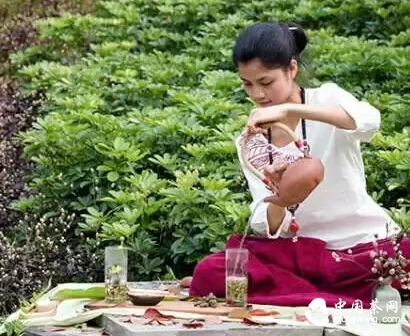
The 'Classic of Tea' states: Tea is the medicine for all ailments. Yaowang Tea is truly 'tea among medicines, medicine among teas.' Through his own and the people's long-term consumption, Sun Simiao discovered and summarized the tea's remarkable ability to balance yin and yang, comprehensively regulate health, and promote longevity. For over 1,300 years after Sun Simiao, Yaowang Tea remained a secret passed down among a select few elites, eminent monks and Taoist practitioners in temples, as well as folk healers in the Taibai region, earning the reputation of 'Chinese Health-Preserving Tea.' Once a treasured drink of the imperial court, it has now entered ordinary households. Today, this legendary tea is increasingly accepted by people and has become one of the most important herbal substitutes for treating chronic diseases in modern times.