1. Thirst troubles: Turn to tea
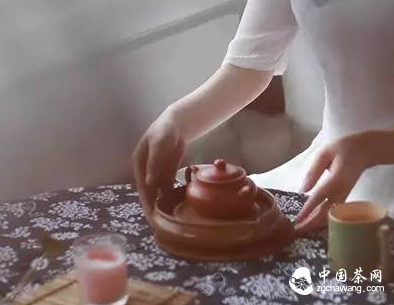
Components in tea such as tea polyphenols, amino acids, water-soluble pectin, and aromatic substances can stimulate the oral mucosa, promote saliva secretion, and have a thirst-quenching effect. Tea leaves are the most natural beverage. Waiter, I'm thirsty, bring a cup of tea!
2. Heat relief and sunstroke prevention troubles: Turn to tea
Experienced tea drinkers know that only drinking hot tea makes one feel more comfortable. The temperature of hot tea promotes sweating, thereby using the evaporation of sweat to dissipate heat and carry away body heat; especially components like caffeine in hot tea can also stimulate the kidneys and promote excretion. The more sweat evaporates, the better the body dissipates heat, thus achieving cooling and heat-relief effects.
3. Preventing stomach and intestinal digestion troubles: Turn to tea
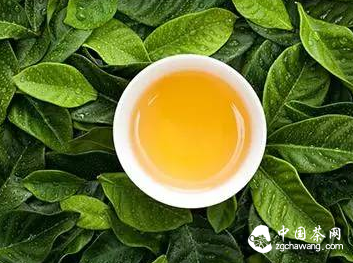
In hot summer, if food hygiene is slightly neglected, bacteria can multiply rapidly, making summer a season prone to digestive diseases. Scientific research shows that tea has antibacterial, bactericidal, and gut microbiota-improving functions. Drinking tea can inhibit the growth of harmful bacteria while promoting the proliferation of beneficial bacteria, enhancing intestinal immunity.
4. Replenishing potassium salts and fluids troubles: Turn to tea
In summer, high temperatures cause people to sweat more, leading to the loss of large amounts of potassium salts from the body through sweat. Tea is a potassium-rich food. Researchers using atomic absorption spectrometry determined that the average potassium leaching amount in black tea soup is 24.1 mg per gram of tea soup, and 10.7 mg for green tea. Drinking tea in summer can replenish potassium salts, maintaining normal physiological metabolic activities, which is an important reason why tea is recommended during sweaty summers.
5. Fatigue relief troubles: Turn to tea
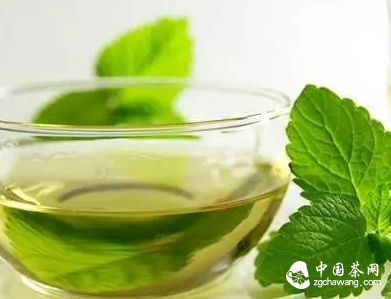
In summer, excessive sweating leads to the loss of sodium, potassium, magnesium, and other elements from the body, making people prone to fatigue. Tea contains components like caffeine that stimulate the nerves; substances like tea polyphenols react with saliva, moisturizing the mouth and providing effects such as thirst quenching and mental refreshment.
6. Sun protection and anti-aging troubles: Turn to tea
Summer is also a peak period for melanin deposition, and spots on girls' faces are one of the most troubling summer concerns. Green tea and oolong tea are good choices.
Green tea and oolong tea are rich in catechins, tannic acid, and vitamin C, which have strong antioxidant functions. The antioxidant effects of polyphenols can eliminate reactive oxygen species produced in the body due to factors like ultraviolet rays, smoking, food additives, and stress, thereby inhibiting vitamin C consumption and maintaining delicate, fair skin.
7. Weight loss troubles: Turn to tea
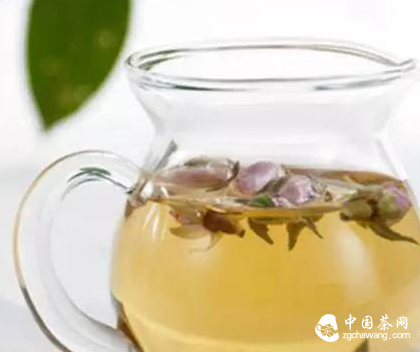
It is said that if you don't lose weight in March, you'll regret it in April. Weight loss, as a lifelong endeavor, is particularly important in summer! Oolong tea has the best weight loss effects among the six major tea types.
Compared to black tea and green tea, oolong tea not only stimulates the activity of pancreatic fat-decomposing enzymes, reducing the absorption of sugary and fatty foods, but also increases the body's heat production, promotes fat burning, and especially reduces abdominal fat accumulation.
8. Mood regulation troubles: Turn to tea
Taiwanese writer Lin Qingxuan once said: "The highest realm of drinking tea is to break down the character '茶' (tea)—people among grass and trees—achieving a state of harmony between heaven and humanity."
Immersed in the world of tea, there is little time to dwell on troubles. Even when troubles arise, the time taken for a cup of tea—for self-reflection or contemplation—allows tea lovers to handle them in a simple, cheerful, yet appropriate manner.