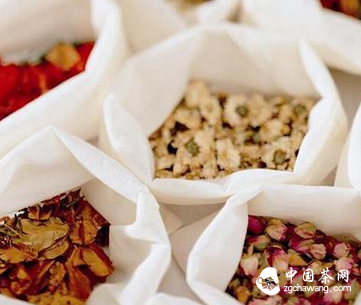
Some Chinese herbs can be steeped in water and drunk as tea. When herbs are infused into tea, the drink becomes palatable, simple, and effective, offering excellent health benefits and therapeutic effects for certain ailments. Generally, when making herbal tea, it's best to use boiling water and a larger-capacity teapot. After pouring, cover and let it steep for 5 to 10 minutes before drinking. Below are some commonly used herbs suitable for tea, for reference. Common Herbal Flower Teas
1. Mulberry Leaf
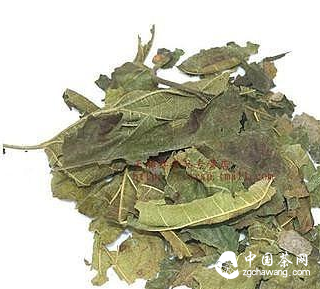
Dispels wind-heat, clears the liver, and improves vision. Use 3g to 9g of Mulberry Leaf, steeped with chrysanthemum, for conditions like wind-heat type common cold with headache, cough, liver fire rising, red and swollen eyes.
2. Lotus Leaf
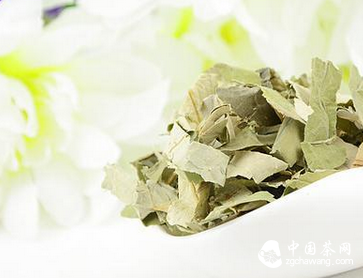
Fresh Lotus Leaf is good for clearing summer-heat; Lotus Leaf and green tea in appropriate amounts, brewed together, have the effects of clearing heat, cooling blood, strengthening the spleen, and promoting diuresis. Regular consumption is suitable for people with hyperlipidemia and obesity, helping to reduce fat and lose weight.
3. Indian Trumpet Flower Seed ("Jade Butterfly")
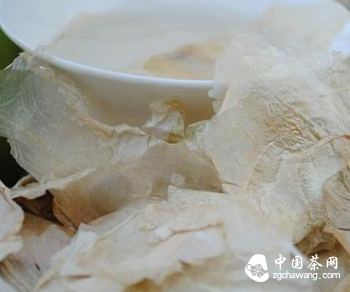
Also known as Mubutte or Qianzhangzhi. Clears the lungs and opens the voice, soothes the liver and regulates qi. Steep 3g daily for hoarseness, loss of voice, and also for liver-stomach qi pain.
4. Chinese Rose Flower
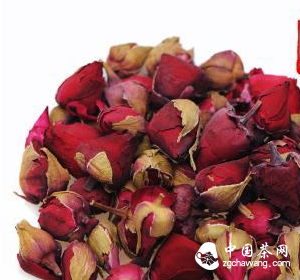
Activates blood and regulates menstruation, reduces swelling. Use 10g each time, with 1.5g of black tea and brown sugar to taste. Steep with boiling water and drink as tea 3 to 4 days before the menstrual period arrives, for dysmenorrhea, scanty menstruation, or amenorrhea.
5. Rosebud
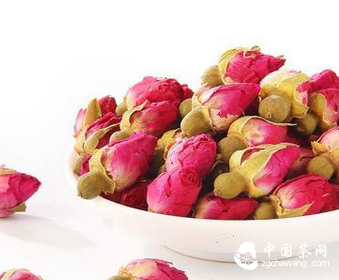
Moves qi and activates blood, soothes the liver and relieves depression. Use 3g each with Daidai Flower and Buddha's Hand Flower, steeped twice daily for depression, abdominal distension and pain, irregular menstruation, etc.
6. Kuding Tea (Bitter Tea)
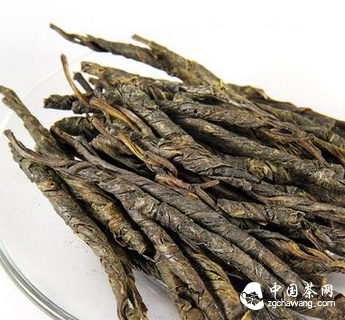
Steep 3g each time, three times daily, for hypertension, hyperlipidemia, diabetes, etc., and to prevent cerebrovascular diseases. Historical records also state that Kuding Tea has skincare and beauty benefits, earning it the title "Tribute Tea."
7. Corn Silk
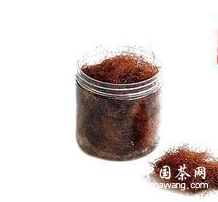
Corn Silk promotes diuresis and reduces swelling. Fresh or dried can be used, 30g each time, steeped once or twice daily. It lowers blood pressure and is diuretic, used for hypertension, diabetes, and also for hepatitis, biliary tract stones, rhinitis, asthma, and other conditions.
It must be pointed out that although steeping Chinese herbs as tea is simple, convenient, inexpensive, and effective, it must be based on pattern differentiation (Bian Zheng). That is, it should be applied according to the nature and function of the herbs, combined with individual constitution (cold, heat, deficiency, excess), condition, season, climate, etc. It must vary according to the disease and the person, applied based on pattern differentiation to achieve the desired effect. Herbal teas also have specific pharmacological actions and suitable populations, with讲究 (attention to) dosage and usage. Brewing herbs as tea requires attention to the herb selection, dosage, and method of consumption.
In recent years, drinking herbal flower teas has become popular, but these tea substitutes also have contraindications.
Contraindications for Drinking Herbal Flower Teas
1. Cassia Seed
Although it has lipid-lowering effects, it can also cause diarrhea. Long-term use by women may lead to irregular menstruation or even abnormal endometrium. Those with diarrhea, low blood pressure, and pregnant women should use with caution.
2. Honeysuckle
Its medicinal nature is偏向寒性 (leaning cold). No one should drink it long-term, especially those with spleen-stomach deficiency-cold and women during menstruation.
3. Goji Berry (Wolfberry)
Its effect of warming the body is quite strong. However, it is not suitable for people with hypertension, irritable temperaments, or those who eat a lot of meat and have a reddish complexion.
4. Boat-Fruited Sterculia Seed (Pangdahai)
Suitable for hoarseness caused by wind-heat pathogenic toxins invading the throat. It is ineffective for hoarseness from other causes, especially sudden loss of voice in the elderly; those with spleen deficiency should use with caution.
5. Chrysanthemum
Belongs to cold-natured herbs. Although it clears heat and detoxifies, it is not suitable for阳虚体质 (yang-deficient constitution).
6. Ginseng Slice
Can tonify primordial qi, promote fluid production, calm the spirit, tonify the spleen and lungs. However, long-term or excessive use by strong and robust individuals can easily cause dry mouth and tongue, even nosebleeds.
Do not steep Chinese herbs as nutritional supplements. Excessive dosage or drinking for too long may cause adverse reactions, especially特殊人体 (special individuals) should not use them indiscriminately. Patients taking Western medicine should be even more cautious when steeping Chinese herbs, as inappropriate combination of Chinese and Western medicine may offer more harm than good and cause injury to the body. Therefore, when choosing Chinese herbs to steep as tea, one should seek guidance from a doctor to ensure safety and effectiveness.