It is often said that Pu-erh tea can lower lipids and aid weight loss, but it contains hundreds of potentially effective substances. When these enter the human body for digestion and breakdown, they encounter thousands of biological molecules. Therefore, studying the mechanism of Pu-erh tea's efficacy became an almost impossible task. However, medical experts have now unraveled this mystery using big data.
Pu-erh Tea: Observable but Hard-to-Define Efficacy
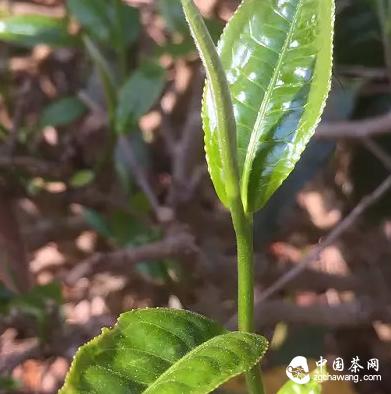
First, let's discuss research on Pu-erh tea. Pu-erh tea got its name from Emperor Qianlong, who named it after the Pu'er region. It is made from Yunnan large-leaf sun-dried green tea as the raw material, processed using local fermentation techniques. Based on fermentation methods, there are two main varieties: "raw tea" and "ripe tea." Pu-erh tea has several health benefits, the most famous being lipid-lowering. Over the past 20+ years, there have been no fewer than hundreds of scientific papers on Pu-erh tea's weight loss and lipid-lowering effects. Research conducted on humans, animals, and at the cellular level indicates that Pu-erh tea indeed has weight loss and lipid-lowering efficacy. However, when it comes to specific components, mechanisms, and actions, these papers present various theories without a clear, widely accepted explanation.

In fact, using traditional pharmacological models to study Pu-erh tea's effects is not feasible. Pu-erh tea contains hundreds of components, with dozens to hundreds potentially having weight loss and lipid-lowering effects, such as tea pigments, polysaccharides, polyphenols, and statin-like substances. Meanwhile, the pathways for fat synthesis, fat mobilization, and fat oxidation in living organisms involve thousands of biological molecules. This process, where multiple plant-derived molecules influence multiple targets in the human body, is a very complex, networked biochemical interaction. To date, Pu-erh tea and many health foods lack very clear biological efficacy and mechanisms. The reason is simple: traditional pharmacological research generates too little information and data, completely failing to reflect the real, complex biological process of a simple cup of tea in the human body.
New Discovery: Pu-erh Tea Alters Gut Microbiota
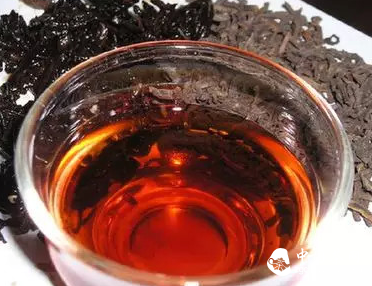
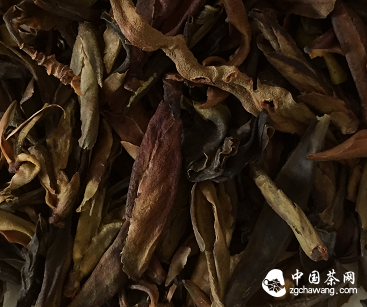
Big data analysis technology can reach the breadth and depth that traditional research methods cannot when studying complex issues like drinking Pu-erh tea. Our laboratory conducts metabolomics research. We first used a high-resolution analytical instrument—ultra-performance liquid chromatography-quadrupole-time-of-flight mass spectrometry—to analyze the main compositional differences between Pu-erh tea and British Lipton black tea, which is also a fermented tea. We found that Pu-erh tea contains more theabrownin, gallic acid, and water-insoluble tea polyphenols, while polyphenolic components like theaflavic acid and thearubigins are lower than in black tea. This shows that even though both are fermented teas, Pu-erh and black tea have significant compositional differences due to raw materials and processes, supporting the claim that Pu-erh tea does not belong to the black tea category. We also analyzed compositional differences in products with different aging times (from 1 to 10 years) and found a pattern between longer aging time and changes in main components: the longer the "tea age," the higher the content of biologically active epicatechin, while components irritating to the gastrointestinal tract, like caffeine, decrease. This also explains why older Pu-erh tea tastes better.
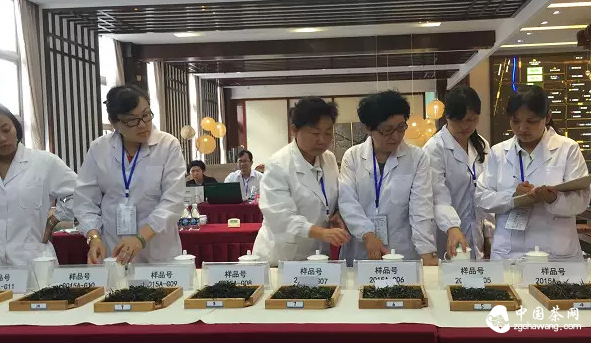
We also designed an experiment to further study Pu-erh tea's efficacy. This six-week trial required participants to strictly adhere to prescribed three-meal-a-day diets while drinking a fixed amount of Pu-erh tea at specified times. Urine samples were collected at set times and analyzed using high-resolution mass spectrometry, generating vast amounts of metabolite data. Bioinformatics methods were then used to process, analyze, and model this data. We found that Pu-erh tea can change the drinker's overall metabolic state, including a significant increase in a series of endogenous metabolites beneficial for lipid metabolism.
When participants stopped drinking Pu-erh tea for two weeks, their metabolic state did not revert to the pre-drinking level as expected but entered another state. Multivariate statistical analysis revealed that the differential metabolites causing this abnormal metabolic state were mostly products related to gut microbiota metabolism. In other words, drinking Pu-erh tea significantly altered the subjects' gut microbiota structure, causing the human metabolic profile to remain in a different state even after stopping tea consumption.

Combining results from several other experiments, we concluded that an important reason Pu-erh tea benefits our health is its structural adjustment of human gut microbiota, improving our fat metabolism capacity and helping us restore or maintain a healthier intestinal micro-ecological level.

Big Data: Bringing a New Research Strategy
From our metabolomics research on Pu-erh tea, we can see that the main issue in conducting new research on traditional medicines and beverages is solving the research strategy problem. The mainstream Western approach of searching for single active molecules in natural products is no longer sustainable. For example, Pu-erh tea contains almost no specific new components for activity screening. Our predecessors used therapies containing multiple components to "regulate" complex human diseases—this is a fact and a model. Naturally, we must also use this model (viewing multiple components as a whole) to design experiments, seeking the impacts and changes it causes at the holistic level, then perform reductive analysis to find key changes at local "nodes." Meanwhile, these natural chemical components can be gradually separated and simplified until finding the basic combination and unit that still maintains overall activity.
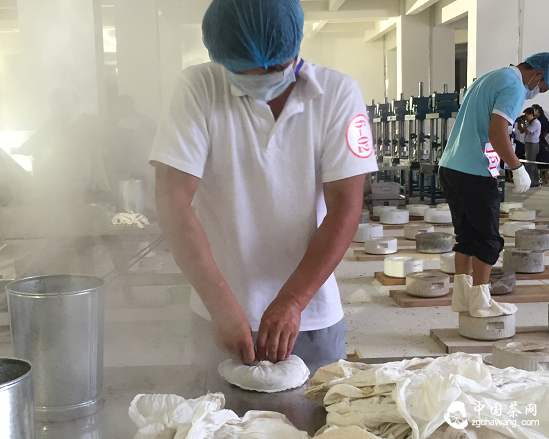
Using this approach to redesign experiments and conduct holistic nutritional research, as well as natural and traditional medicine research, is a future trend. Big data analysis technology provides strong support for this research strategy.
Related links: Golden Flower Pu-erh Tea, Golden Flower Fu Brick Tea