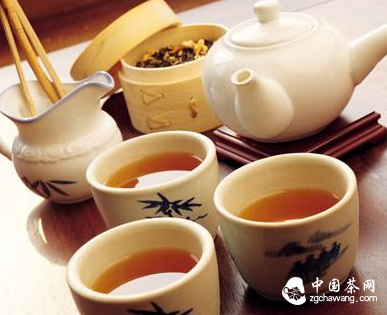
4 Best Times for Daily Tea Drinking
9 AM: A Cup of Floral Tea: Best consumed between 9 and 10 AM after breakfast, it can refresh, detoxify, and combat fatigue. Floral tea is ideal for the morning. Being a secondary processed tea, it blends the rich aroma of flowers with the fresh fragrance of tea leaves, awakening the mind and boosting energy throughout the day. Note: Those with insomnia should avoid floral tea as it may worsen sleep disorders; people with allergies should also refrain. Floral tea is best brewed in a lidded porcelain cup. It emphasizes savoring the aroma rather than admiring the tea leaves. Use recently boiled water, cover to steep briefly, then uncover to enjoy the invigorating fragrance.
1 PM: A Cup of Green Tea: The second cup is afternoon tea, best consumed between 1 and 3 PM after lunch or a nap. Afternoon tea can be slightly stronger to help lower blood lipids and protect blood vessels. Green tea's health benefits—such as antioxidant properties, free radical scavenging, and antiviral effects—primarily come from polyphenols in the tea leaves. Therefore, green tea is best brewed fresh. High brewing temperatures or prolonged steeping can destroy these polyphenols. Generally, green tea should be brewed at 85°C with water just boiled. Steep for 2–3 minutes. The tea-to-water ratio should be appropriate, ideally 1:50 (e.g., 3g of tea leaves per 150ml of water) for a balanced flavor. Use porcelain or transparent glass cups.
6 PM: A Cup of Black Tea: The third cup is evening tea, suitable for consumption between 6 and 7 PM after dinner. It aids in lowering blood lipids and digestion. Black tea is best for evening consumption because fermented tea has low caffeine content, minimizing sleep disruption. People with a cold constitution can benefit from black tea, as it warms the body, dispels cold, and is useful for those with stomach cold, cold hands and feet, weak constitution, or prone to diarrhea. Unlike green tea, brewing black tea with high-temperature water promotes the effective dissolution of flavonoids, enhancing both flavor and aroma while maximizing health benefits.
Next, let's look at the taboos of tea drinking.
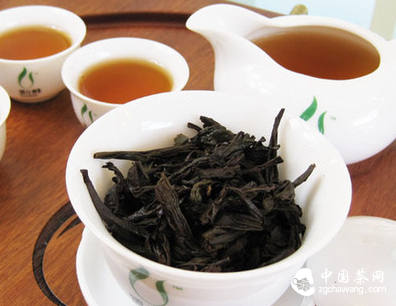
8 Major Taboos for Daily Tea Drinking
Avoid Overly Strong Tea: Strong tea can excessively increase the body's "excitability," adversely affecting the cardiovascular and nervous systems. Those with cardiovascular diseases may experience tachycardia or arrhythmia after drinking strong tea, potentially causing condition fluctuations.
Avoid Drinking Before Sleep: This is especially important for new tea drinkers. Many find it difficult to fall asleep after drinking tea before bed, which can severely affect their mental state the next day. Those with neurasthenia or insomnia should be particularly cautious.
Avoid Drinking on an Empty Stomach: Drinking small amounts of tea before or during meals is generally fine, but consuming large quantities or overly strong tea can hinder the absorption of many macroelements (e.g., calcium) and trace elements (e.g., iron, zinc). Notably, avoid drinking tea simultaneously with milk or other dairy products. The theine and tannic acid in tea bind with calcium in dairy to form insoluble calcium salts, which are excreted, significantly reducing the nutritional value of dairy.
Avoid Drinking After Alcohol: After drinking alcohol, ethanol enters the bloodstream through the gastrointestinal tract, is converted to acetaldehyde in the liver, then to acetic acid, which decomposes into carbon dioxide and water for excretion. Drinking tea after alcohol accelerates diuresis via the kidneys due to theine, pushing undigested acetaldehyde into the kidneys prematurely. Acetaldehyde strongly irritates the kidneys, impairing renal function. Thus, frequent consumption of strong tea after alcohol increases the risk of kidney disease. Moreover, ethanol strongly stimulates the cardiovascular system, and tea also excites the heart. Their combined effect intensifies cardiac stimulation, posing greater risks for heart patients.
Avoid Freshly Picked Tea: New tea can irritate the gastric mucosa, causing gastrointestinal discomfort or worsening conditions. Nutritionally, very fresh tea may not be optimal. "New tea" refers to leaves picked less than a month ago. Without adequate aging, they contain substances like polyphenols, alcohols, and aldehydes that are not fully oxidized and can adversely affect health. Prolonged consumption may lead to diarrhea, bloating, or other discomforts.
Avoid Overnight Tea: Tea left overnight is prone to pathogenic contamination, and its complex components can deteriorate. Drinking overnight tea may cause gastrointestinal issues. The old adage "overnight tea causes diarrhea" holds true.
Avoid Drinking with Medication: Some people, especially tea lovers, may take medicine with tea. However, tannins in tea can bind with drugs, causing precipitation, altering drug properties, hindering absorption, and reducing efficacy. Always take medicine with plain water—hence the saying "tea counteracts medicine."
Consider Seasons, Avoid Excess: Drink floral tea in spring, green tea in summer, oolong tea in autumn, and black tea in winter. Spring floral tea dispels accumulated winter cold and promotes yang energy. Bitter-cold green tea is best in summer for clearing heat, relieving summer heat, detoxifying, quenching thirst, and strengthening the heart. Mild oolong tea in autumn clears residual heat and restores fluids. Warm, sweet black tea in winter, rich in protein, aids digestion, nourishes the body, and strengthens it. While tea contains various vitamins and amino acids that help digest grease, stimulate nerves, and promote diuresis, it should not be consumed excessively, nor is it suitable for everyone. Generally, drinking tea 1–2 times daily with 2–3g of leaves per serving is appropriate. Those with neurasthenia, insomnia, hyperthyroidism, tuberculosis, heart disease, stomach issues, intestinal ulcers, as well as nursing/pregnant women and infants, should avoid tea.
Proper tea drinking requires attention to the above timings and taboos.