Why is Summer Tea Disliked by Everyone?
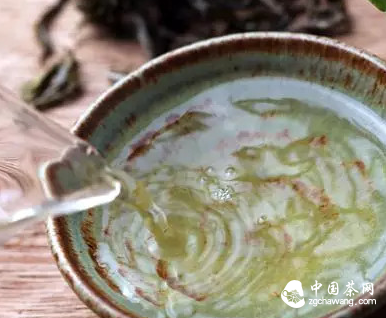
The ancients said, "Spring tea is bitter, summer tea is astringent; to taste good, drink autumn white dew (referring to autumn tea)." In most tea-producing regions of China, tea plant growth and tea picking and processing are seasonal. Typically, based on the harvesting time, tea is divided into spring, summer, and autumn tea. In fact, due to the development of modern tea brewing techniques, the "bitterness" of spring tea is more sought after and considered more delicious. The liquor color and taste of autumn tea fall between that of spring and summer tea, with a mild aroma, and its nutritional content is generally not as good as spring tea.
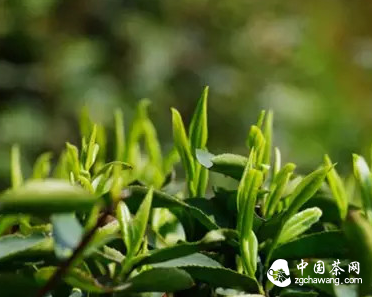
Spring Tea:
Generally refers to tea made from the first buds sprouted by the tea plant after overwintering. Spring tea buds begin to sprout around late March. Harvesting is divided into four seasons a year, with the period from Grain Rain to Beginning of Summer (mid-April to early May) being spring tea, accounting for 40-45% of the annual total output. Because tea plants are rich in nutrients during spring, the leaves are fleshy and thick, with high levels of aromatic substances and vitamins, resulting in a fresh, brisk taste and strong aroma.
With moderate temperatures and ample rainfall in spring, coupled with the tea plant's half-year winter rest, spring tea buds become plump, emerald green in color, and soft in texture. They are rich in vitamins, especially amino acids, which not only give spring tea a lively taste and pleasant aroma but also provide health benefits.
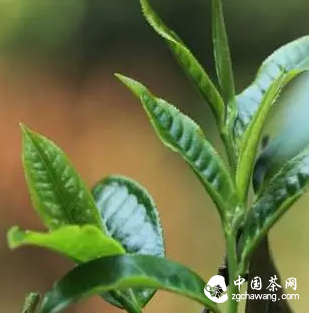
Summer Tea:
Tea produced and processed in summer is called summer tea. New shoots of summer tea grow rapidly but age easily. The content of amino acids and vitamins in the leaves decreases significantly, while the content of anthocyanins, caffeine, and tea polyphenols increases noticeably, resulting in a distinctly bitter and astringent taste.
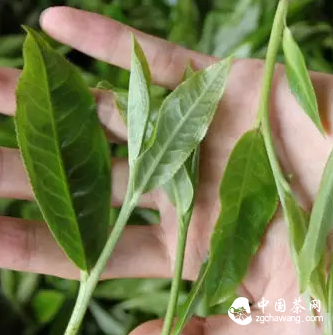
Autumn Tea:
As the name suggests, it is tea produced in autumn. With less rainfall and a dry climate in autumn, the tea's aroma can be preserved to the greatest extent during the growth, picking, and processing of the leaves. Tea made under cool, dry conditions not only retains its inner qualities well but also has less moisture content, making the aroma more prominent. Autumn tea has a mild aroma, often with soft, coppery-green leaves at the bottom. Its liquor color and taste lie between those of spring and summer tea.
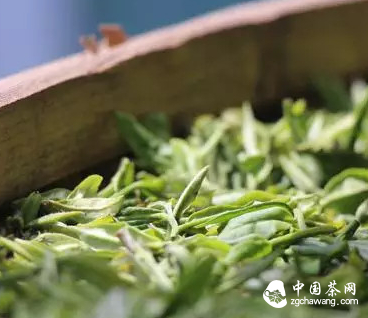
It is often said "spring water, autumn fragrance." Spring tea has become the代言人 for tea quality in a year, and autumn tea is also among the best. However, summer tea, which falls between the two, has a rather awkward status, even somewhat "unknown, kept in the inner chambers."
Summer tea refers to tea leaves picked between Grain Full and Slight Heat. With充足 sunlight and偏高的 temperatures in summer, tea plants grow very fast, and the leaves tend to age easily. The content of amino acids and vitamins in the tea leaves decreases significantly, while the content of caffeine and tea polyphenols increases noticeably, making the tea taste bitter and astringent. Compared to the fresh, tender spring tea and the fragrant, mellow autumn tea, the slightly bitter and astringent summer tea naturally isn't the first choice for tea lovers. So, how do tea farmers deal with summer tea?
There are three ways to handle summer tea: The first is not to pick it, letting it grow freely; the second is to pick it and throw it away without feeling regret; the third is to process it conventionally, for example, into green tea, but the price is much lower compared to spring tea and doesn't fetch much. No matter which of these three methods, the editor feels it is an "insult" to summer tea. Is it really so difficult for summer tea to "make a comeback"?
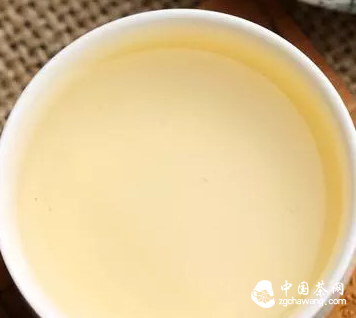
Actually, the bitterness and astringency of summer tea are because the content of substances like tea polyphenols, anthocyanins, and theine (caffeine) in the leaves is very high, which most tea drinkers don't particularly like. However, tea polyphenols恰好 have antioxidant functions, and anthocyanins are known as natural antioxidants, which are greatly beneficial to the human body. Additionally, due to changes in its own inner qualities, summer tea is不太 suitable for making green tea. If used to make black tea, there can be unexpected惊喜. Black tea is fully fermented, which allows the茶多酚 in summer tea's inner qualities to be completely oxidized during the fermentation process, reducing the bitter and astringent taste of summer tea. The resulting tea even has a slight sweet aroma and a strong, rich taste.
How about it?
After listening to the editor's introduction, do you also have a new understanding of summer tea? Although summer tea cannot compare to spring and autumn tea, with reasonable picking and processing, it has its own unique flavor!