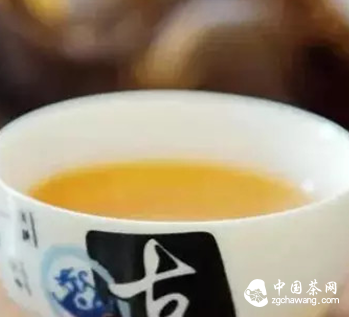
Drinking tea is something that can be both simple and complex. Boiling water, pouring it, and adding tea leaves are straightforward steps that anyone can do, but brewing it properly is not an easy task.
We often have this experience when buying tea: the same tea tasted clear, mellow, and with a long-lasting sweet aftertaste at the merchant's, but when brewed at home, the flavor is always somewhat inferior.
We encounter various types of water daily—river, lake, sea, rainwater, snowmelt, tap water—and water quality directly affects the character of the tea infusion. So, what kinds of water are suitable for brewing tea?

Tap Water
Using tap water to brew tea can cause oxidation of polyphenols in the tea, affecting the color of the infusion and impairing its flavor.
Although tap water is not the first choice for brewing tea, it is very convenient. Therefore, we can treat it slightly before use. Extending the boiling time and then letting it sit for a while allows chlorine and oxygen to dissipate and impurities like calcium, magnesium, iron, and aluminum ions to settle. Alternatively, using a water softener or purifier can achieve softer water quality. Using softened, relatively pure tap water for brewing tea is also suitable.
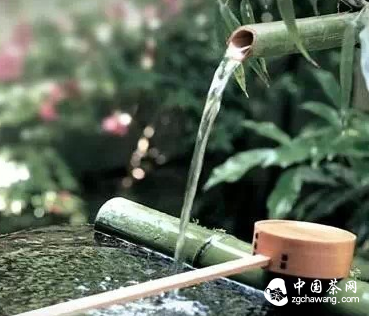
Spring Water
Brewing tea with spring water maximizes the tea's color, aroma, taste, and appearance.
However, spring water is not readily available everywhere. Therefore, most tea drinkers can only choose their brewing water based on conditions and possibilities. Some mineral waters can achieve effects similar to spring water.
River, Lake, and Pond Water
These are all surface waters. From a health preservation perspective, they contain few minerals, often have more impurities, are turbid, heavily polluted, and complex, making them less ideal for brewing tea.
However, readers of "The Classic of Tea" will find a passage: "For river water, take it from a place far from human habitation." That is, drawing water from rivers in remote, less polluted areas can also be suitable for brewing tea. Although our country is vast and rich in rivers and lakes, water suitable for brewing tea is becoming increasingly scarce.
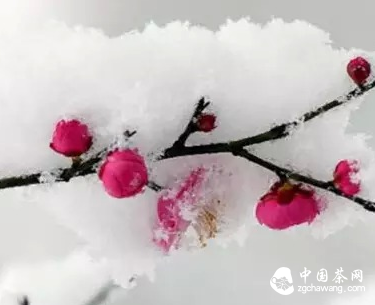
Snowmelt and Rainwater
Natural waters like rain and snow are relatively pure. Although they collect dust, nitrogen, oxygen, and carbon dioxide during their fall, their salt content and hardness are very low. They brew tea infusions that are bright in color, excellent in aroma and taste, with a lingering aftertaste.
But this cannot be generalized. For example, during the rainy season, continuous drizzle promotes microbial growth, resulting in inferior tea quality. Summer thunderstorms often carry dust and debris, making the water impure and the brewed tea turbid, unsuitable for drinking.
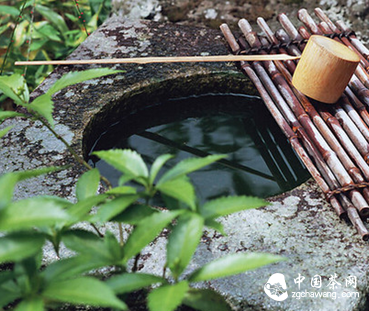
Well Water
Well water is groundwater, low in suspended matter and relatively clear. However, due to infiltration through soil layers, it absorbs more minerals and salts, resulting in higher salt content and hardness. Especially urban well water sources are often polluted. Using such water for brewing tea impairs the flavor. Generally, it is not suitable.
In summary, no single type of water is suitable for all teas, and no single tea is suitable for all waters. Moreover, high-quality drinking water and water suitable for brewing tea are not the same concept; some famous waters are excellent to drink alone but do not brew tea well.
For general tea tasting, water that is clean, sweet, clear, and odorless is sufficient.
For appreciating famous teas, it is best to use mountain spring water from the tea's region of origin.