Charcoal-roasted tea refers to Tieguanyin or Taiwanese oolong roasted using charcoal. Only high-quality raw materials can result in high-grade roasted tea. Inferior or unsuitable raw materials will not improve through roasting—this is the primary prerequisite.
Charcoal-roasted tea is not suitable for consumption within half a month after roasting to avoid causing internal heat. Although drinkable after half a month, the tea broth tends to be harsh. The optimal drinking period begins three months after roasting, when the tea broth starts to soften. After six months to a year of storage, the tea broth becomes thick and smooth, with the quality进一步提升. Therefore, the best time to drink is after six months.
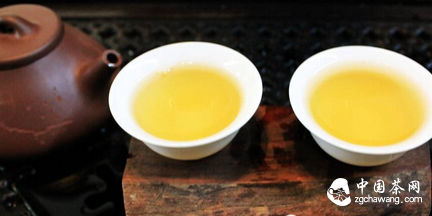
I. Definition of Charcoal-Roasted Tea
Charcoal-roasted tea belongs to the traditional craftsmanship system. A high-quality charcoal-roasted tea must meet two requirements:
1. High-grade raw materials, which must be processed using traditional medium-fermentation methods. The currently popular lightly fermented Tieguanyin on the market does not meet this requirement;强行 roasting will result in a bland and tasteless tea broth.
2. Skilled roasting personnel, generally requiring over ten years of roasting experience and high technical proficiency; those with poor skills can easily over-roast the tea.
II. Advantages and Disadvantages of Charcoal Roasting
Disadvantages of charcoal roasting: Low success rate, even for top-notch roasters. Advantage: It can produce top-tier products, and only charcoal roasting can achieve顶级 quality.
Why charcoal roasting is difficult:
1) Charcoal heating causes the temperature to rise over time. The roaster must know when to cover the charcoal with ash correctly, and the amount of ash must be just right (too little leads to excessive temperature, too much leads to insufficient temperature).
2) To monitor this process, the roaster must看守 the roasting basket continuously. Each batch takes 5–10 hours to roast; even energetic young people find it hard to endure.
3) Choosing the right type of charcoal is crucial, relying entirely on experience.
Without sufficient experience, the charcoal roasting method can easily scorch the tea leaves. Charcoal-roasted tea is best made using specialized roasting pits filled with charcoal to ensure持久 and even heat. Since old roasting pits in southern Fujian have mostly been removed, early methods used large iron pots filled with charcoal. The drawback is that the heat消耗 quickly, and后续 heat is insufficient, making it difficult to produce top-grade products.
III. Differences Between Charcoal Roasting and Electric Roasting
Electric roasting uses tea roasting machines powered by electricity, with temperature adjusted via buttons. Advantages of electric roasting: If the roaster is skilled, the success rate can reach 100%; it is also easier for beginners to master and experiment with. Disadvantage: The效果 is not as good, lacking the unique aroma of charcoal roasting.
Why electric roasting is easier: One only needs to know the optimal temperature settings and the timing for raising and lowering the temperature, then adjust the buttons accordingly—provided the ideal temperature is known. Too high a temperature produces a burnt taste, while too low is also undesirable.
IV. Requirements for Raw Materials in Charcoal Roasting
Raw Material Craftsmanship Requirements
Raw materials must be made using traditional craftsmanship; they should have floral/fruity or sugary aromas, strong回甘, and no bitterness or astringency. Lightly fermented raw materials on the market, even of high grade, are generally unsuitable for roasting.
Raw materials for roasted tea, though also made with traditional craftsmanship, differ from清香型 traditional craftsmanship: Roasting raw materials require medium fermentation, heavy sun-withering with light shaking multiple times; quality raw materials are best with floral/fruity or sugary aromas; taste要求 a thick tea broth and strong回甘, with no need to focus on freshness. Appearance要求 tightly rolled or rounded颗粒, with a偏乌黑 color (craftsmanship requires大锅炒 and热包揉).清香型 must emphasize freshness, prioritize floral aromas, and have a乌青色 appearance for颗粒.
Is Lightly Fermented Tieguanyin Suitable for Roasting?
Most Tieguanyin on the market with a green appearance and light fermentation are highly unsuitable as raw materials for roasting.强行 roasting results in a bland, tasteless tea broth with no回甘, and low or off aromas. Without good roasting techniques and equipment, the product is often scorched or has a strong burnt taste.
Common characteristics of such roasted teas: Yellowish-brown appearance instead of乌黑, dry tea in strip form rather than颗粒状; tea broth口感 light and not饱满, weak回甘,不耐泡 (roasted Tieguanyin generally lasts 10 infusions). The叶底 is usually fragmented—a key indicator.
Different Raw Materials, Different Roasting
The following are standard principles of traditional roasting techniques:
First-grade raw materials: Light roasting to preserve the original Tieguanyin character while adding roasted flavors, resulting in excellent quality.
Second-grade raw materials: Medium roasting to remove slight bitterness and astringency.
Third-grade raw materials: High roasting; such materials usually have higher bitterness and astringency, which high roasting can充分去除.
The principle of roasting is: Enhance its优点, eliminate its缺点.
V. Health Benefits of Charcoal-Roasted Tea
Charcoal-roasted tea has excellent health benefits for the human body, mainly体现在: Anti-aging, anti-cancer, anti-arteriosclerosis,消除 fatty liver, preventing diabetes, antibacterial and anti-dysentery,解毒 for烟, alcohol, and drugs.念一茗茶: nianyimm Additionally, it aids weight loss and健美, prevents dental caries,清热降火, and提神益思. Drinking one cup of charcoal-roasted tea daily for three consecutive months will demonstrate its special effects.
Charcoal-roasted tea warms the stomach, dispels cold, detoxifies, and beautifies the skin, possessing unique药用功效. Moreover, it is worth noting that in recent years, roasted tea has been重新认识 for its natural special保健 functions and non-toxic药用价值.
VI. Storage Time and Quality Changes of Charcoal-Roasted Tea
After超过 one year, it is best to briefly re-roast it. Generally, after two years, charcoal-roasted tea gains药用功效 and becomes the最佳药品 for treating gastrointestinal discomfort.
Note: Historically, southern Fujian had a tradition of sailing overseas. At that time, lacking medicine, ancestors usually brought aged roasted Tieguanyin tea with them—currently, Chinese communities in Singapore, Malaysia, Indonesia, and other places still maintain the tradition of drinking roasted Tieguanyin and aged tea.