Yellow tea is a unique category of tea native to China, belonging to the lightly fermented tea family. It is made from tender tea buds through processes such as fixation, rolling, heaping (men dui), and drying. Yellow tea is characterized by its plump appearance, bright yellow color often with a light coating of silvery-white fuzz, an orange-yellow and clear liquor, a fresh and mellow taste, and good durability for multiple infusions. Xu Cishu in the Ming Dynasty's "Cha Shu" (Treatise on Tea) recorded the evolution of yellow tea. At that time, people processing pan-fired green tea discovered that if the fresh leaves were insufficiently or untimely dried after fixation and rolling, their color would turn yellow, thus giving rise to this new tea category.
Yellow tea is rich in nutrients such as tea polyphenols, amino acids, soluble sugars, and vitamins. Furthermore, yellow tea retains over 85% of its natural compounds, which are believed to have certain effects in preventing cancer, fighting cancer, sterilizing, and reducing inflammation, surpassing other teas in these aspects.
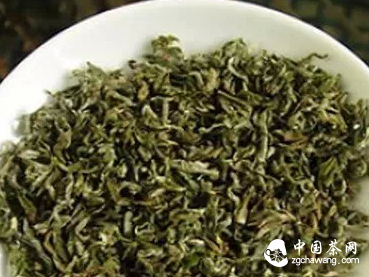
The Shape of Yellow Tea
The shape of yellow tea varies depending on the variety and processing techniques.
Flat Shape: The shape is flat, straight, and even. Representative yellow teas include Mengding Huangya.
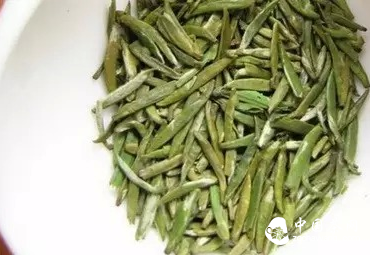
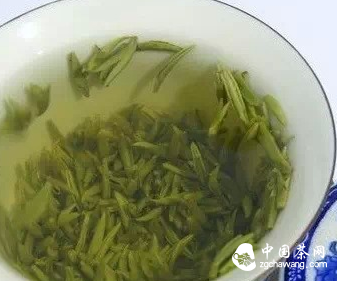
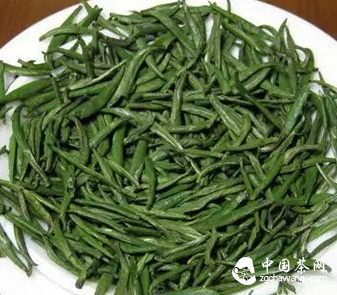
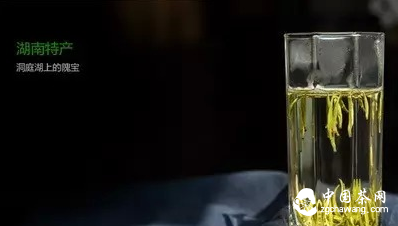
Needle Shape: The strips are tight, slender, round, and straight, resembling pine needles or silver needles. Representative yellow tea is Junshan Silver Needle.
Sparrow's Tongue Shape: The shape closely resembles a sparrow's tongue. Sparrow's tongue-shaped teas are made from very tender pluckings and are often top-grade teas. Representative yellow teas include Huoshan Huangya from Anhui Province, Bashan Sparrow's Tongue from Sichuan Province, and Tianshan Sparrow's Tongue from Fujian Province.
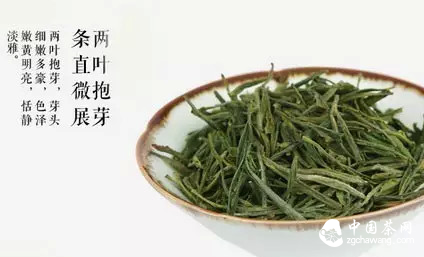
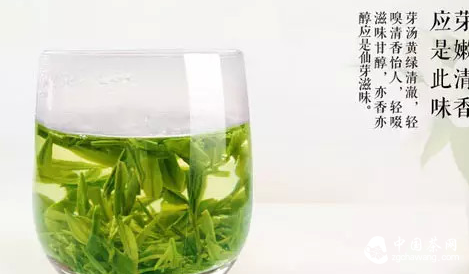
Plump Needle Shape: This shape of yellow tea is processed from plump, single buds, resulting in a round, straight, needle-like appearance. Representative yellow tea includes Mogan Huangya.
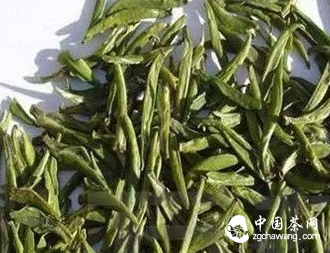
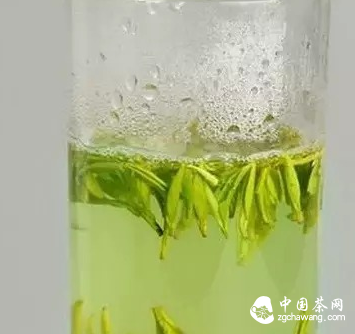
Curly Shape: The appearance is slender and curly, forming ring-like shapes. Representative yellow tea is Luyuan Maojian tea.
The Color of Yellow Tea
The dry leaves of yellow tea exhibit variations in color, including golden yellow, tender yellow, brownish yellow, yellowish green, bright yellow, and orange-yellow.
Golden Yellow: The buds are plump, golden in color, glossy, and oily.
Tender Yellow: Light yellow in color with good luster.
Brownish Yellow: Yellow with a hint of brown.
Yellowish Green: Green with a hint of yellow.
Bright Yellow: Yellow and bright, with variations in depth.
Orange-Yellow: Yellow with a slight reddish tinge, resembling tangerine color, with variations in depth.
The Aroma of Yellow Tea
The aromas of yellow tea include the following:
Tender Aroma: Refreshing and delicate, with a hint of downy fragrance.
Fresh and Clean: A clear, fresh, and brisk fragrance, delicate and lasting.
Clean and Mellow: A clear fragrance that is mellow and harmonious.
Toasty Aroma: A strong and lasting aroma reminiscent of roasted wheat.
Pine Smoke Aroma: Carrying the scent of pine wood smoke.
The Taste of Yellow Tea
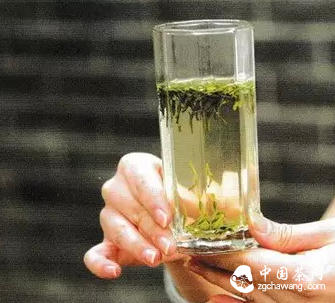
A liquor that is mellow, harmonious, fresh, brisk, with a sweet aftertaste and low astringency characterizes premium yellow tea; bitterness, astringency, blandness, or a dull taste are considered inferior qualities.