Many people experience a sour sensation in their teeth when eating stimulating foods. What's going on? Experts explain that tooth sensitivity is a symptom of dentin hypersensitivity. The cause could be exposed dentin due to a lack of enamel, poor enamel calcification and development, or severe wear on one side of the teeth from long-term chewing on that side. To prevent and treat dentin hypersensitivity, in addition to common oral hygiene methods like brushing teeth regularly, there are a few tips that can be adopted.

For example, patients can chew some raw walnut kernels or repeatedly rub the sensitive, sore area of the tooth with the cross-section of fresh garlic. Allicin in garlic has antibacterial and anti-inflammatory effects and can help treat dentin hypersensitivity to some extent. Raw walnut kernels contain a large amount of tannic acid, which can coagulate the proteins in dentinal tubules and also have a desensitizing effect.

There is another simple and convenient method: using tea, which is readily available around us. Don't discard overnight tea arbitrarily; it can be "recycled" by chewing it in the mouth, especially on the sensitive tooth area. Alternatively, place fresh tea leaves directly on the sensitive part of the tooth and chew gently. Research shows that tea contains rich fluoride and tea polyphenols. Tea polyphenols have disinfecting and sterilizing properties; they can not only inhibit the growth of caries-causing bacteria but also enhance the acid resistance of tooth enamel. Moreover, with the participation of fluoride, the acid resistance increases surprisingly. Additionally, the fluoride ions in tea are very beneficial for dental healthcare. They have a strong affinity with the calcium in teeth, acting like adding a protective layer to the teeth.
When using the method of chewing tea leaves to treat tooth sensitivity, there's no need to choose high-grade tea, as high-grade tea often contains much less fluoride than lower-grade tea.
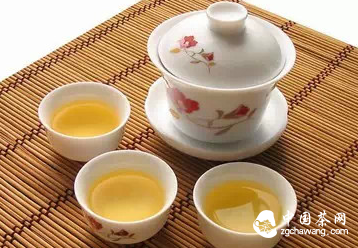
The above methods are remedial measures after tooth sensitivity occurs, but they are also useful for preventing dental diseases. Of course, drinking tea regularly over the long term can also contribute to dental healthcare. Furthermore, to prevent dentin hypersensitivity, it's best to chew food using both sides of the teeth to avoid excessive wear on one side and to preferably eat fewer hard foods.