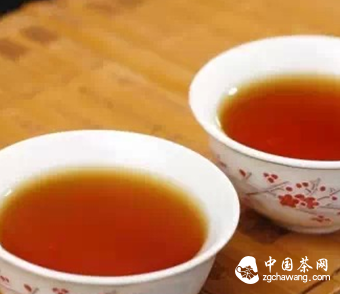
A cup of black tea carries aspects such as appearance, color, aroma, and flavor. To appreciate a cup of black tea, start from these four aspects and blend them with personal experience; you can then initially taste the flavor of black tea. Here are eight aroma types to understand for black tea appreciation.
Hao Xiang (Tip Aroma): Any fresh leaves with white tips, tenderness of a single bud or one bud and one leaf, normally processed to reveal golden tips, will exhibit a typical tip aroma when brewed.
Qing Xiang (Fresh Aroma): A pure, soft, and lasting fragrance. Though not intense, it slowly diffuses, creating a pleasant feeling. This aroma is characteristic of black teas made from freshly picked tender leaves.
Nen Xiang (Tender Aroma): A high, clean, delicate, and refreshing fragrance reminiscent of corn aroma. It comes from fine, soft raw leaf material and well-made premium teas.
Huo Xiang (Fire Aroma): Includes rice cake aroma, high-fire aroma, aged-fire aroma, and roasted rice crust aroma. It occurs when the raw leaf material is relatively mature, contains more stems, and undergoes high-temperature drying during processing, causing the sugars in the tea leaves to caramelize.
Hua Xiang (Floral Aroma): Possesses various aromas similar to natural fresh flowers. Some special tea plant varieties develop this aroma after the withering process.
Guo Xiang (Fruity Aroma): Emits aromas similar to various fruits, such as longan. Some black teas have an apple fragrance, while Lapsang Souchong has a longan aroma (especially the traditional pine-smoked type).
Tian Xiang (Sweet Aroma): Includes clear sweet fragrance, sweet floral fragrance, date fragrance, dried longan fragrance, honey fragrance, etc. This is typical of Congou black tea made from moderately harvested fresh leaves.
Song Yan Xiang (Pine Smoke Aroma): Refers to teas dried using pine, cypress, fir cones, or rattan during the manufacturing process, such as Lapsang Souchong.