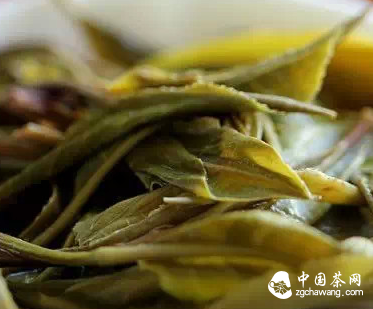
When enjoying Pu-erh tea, many tea enthusiasts notice that some Pu-erh teas produce a lot of white foam during brewing, and the foam may even persist after several infusions. Why does this happen? The generation of this white foam is generally attributed to two main reasons: one is the intrinsic quality of the tea leaves themselves, and the other is human factors during the manufacturing process.
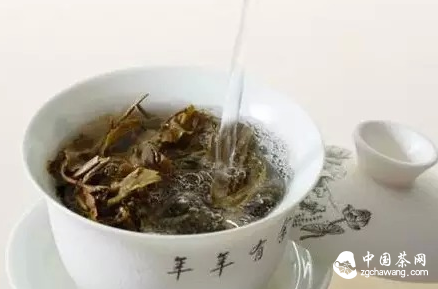
First, tea leaves contain saponins, which easily produce white foam. Additionally, during the rolling process, the cells of the tea leaves are damaged, and the cell sap flows out and adheres to the surface of the leaves. Therefore, white foam may also appear during brewing. Generally, well-rolled Pu-erh tea produces less foam during brewing, so the amount of foam can also serve as a reference standard for judging the grade of Pu-erh tea.
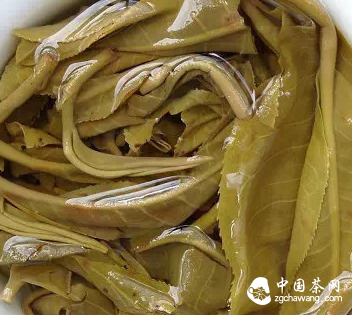
Second, if Pu-erh tea is produced under unsanitary conditions, it can also lead to the generation of white foam.
Some unethical tea factories, in order to make the tea look better and increase its weight (i.e., add weight to the tea), add sugar and gypsum powder during the tea-making process. As a result, the tea produced is prone to producing white foam. This type of tea will still have foam even after several infusions.