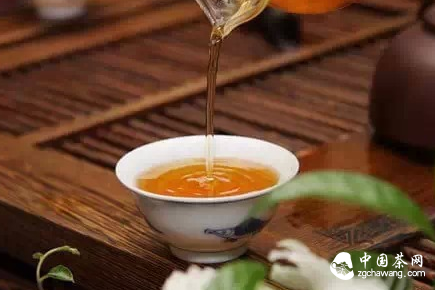
The understanding of Rock Tea's aroma is mainly reflected in dry aroma, lid aroma, water aroma, and cup bottom aroma.
【Dry Aroma】
Refers to the tea scent possessed by the dry leaves. A good method to distinguish the quality of dry aroma is to heat the tasting cup with boiling water, pour it dry, place an appropriate amount of dry tea leaves into the cup, cover and gently shake to smell the aroma.
When smelling the dry aroma, you can perceive the dry scent effect of the tea leaves and detect any odd or mixed odors, but it is not easy to distinguish the quality of the tea or identify its varietal characteristics at this stage.
Of course, there are also some teas whose dry leaves can well express their varietal characteristics. For example: Qilan and Old Bush Shuixian, which have quite distinct varietal traits.
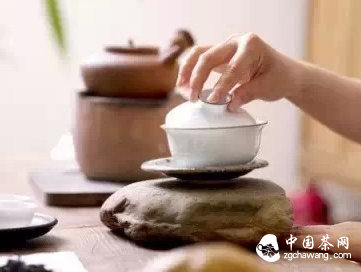
【Lid Aroma】
The fragrance left on the cup lid after the first infusion of tea.
Lid aroma is an important step in distinguishing the varietal characteristics and quality level of the tea. The characteristics of many teas are very evident in the lid aroma. Of course, lid aroma is also a key indicator for evaluating the quality of tea based on its fragrance.
The main expressions of tea in lid aroma are: varietal aroma (tea fragrance), floral aroma, charcoal fire scent, fruity-sweet aroma, etc.
Additionally, any odd or mixed odors in the tea (if present) can also be well assessed at this time. For example: smoky smell, 'returning green' taste, etc.
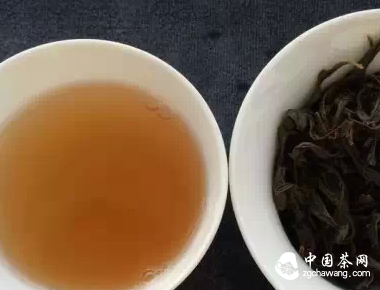
【Water Aroma】
Refers to the aroma in the mouth after the tea water is sipped.
This is a further deepening of the lid aroma, meaning a further confirmation of the lid aroma.
【Cup Bottom Aroma】
Refers to the aroma at the bottom of the inverted tasting cup after several infusions, after the tea leaves have been removed.
This aroma is also a further confirmation of the tea's quality level, with a pure, subtle fragrance being superior. Of course, it is advocated that consistency among lid aroma, water aroma, and cup bottom aroma is the highest standard.
The influence of tea aroma on tea quality:
For the aroma of Rock Tea, floral and fruity aromas are considered top grade. Tea fragrance and charcoal aroma are essential characteristics of Rock Tea, while smoky taste, 'returning green' taste, and other odd mixed odors are major taboos in tea.
When appreciating tea aroma, special attention should be paid to:
Pure fragrance ≠ 'Green' fragrance, Tea aroma (varietal aroma) ≠ Floral aroma, Charcoal aroma ≠ Fruity-sweet aroma.
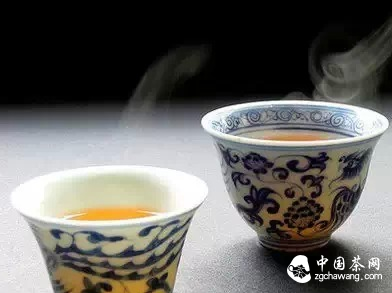
1. Pure Fragrance vs. 'Green' Fragrance
Pure fragrant Rock Tea refers to finished tea products made with a light roasting process, where the tea's inherent characteristics are good or its aroma expression is ideal. It specifically indicates Rock Tea products with lighter roasting in their processing.
'Green' fragrance, however, is a grassy taste caused by insufficient fermentation time or inadequate pan-firing during processing. It is a characteristic of inadequate processing and can persist even after sufficient roasting.
Pure fragrance is a matter of tea processing technique, while 'green' fragrance is a matter of tea quality.
2. Varietal Aroma vs. Floral Aroma
These two are essentially a matter of commonality versus individuality. All teas possess tea aroma. In purely fragrant teas, it can be difficult to distinguish between tea aroma and floral aroma. Some specific varieties like No. 105 (Huang Guanyin) inherently possess a varietal aroma somewhat similar to floral fragrance. However, for distinguishing between tea aroma and floral aroma, varietal aroma is relatively sharper and more pungent, while the aroma of floral teas is more subtle and has better convergence.
3. Charcoal Aroma vs. Fruity Aroma
Charcoal aroma is mainly reflected in the distinction of medium to full roasting. Charcoal aroma manifests as a caramel-like scent in the lid aroma, primarily noticeable in the first three infusions. Fruity aroma, on the other hand, may only become apparent after the second or third infusion.
For understanding Rock Tea aroma, it also depends on focusing on comparison and accumulation during the tasting process, which allows for good differentiation.
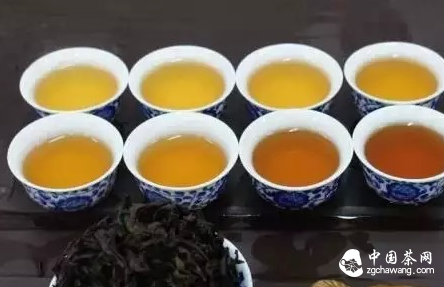
Regarding the several types of aroma mentioned earlier:
Tea aroma: Refers to varietal aroma, meaning the inherent aroma of various tea varieties themselves.
Floral aroma: A pollen-like aroma exhibited in purely fragrant tea products.
Fruity-sweet aroma: The honey-like or creamy fruity aroma perceived when starting to brew medium or medium-full roasted tea products.
Charcoal aroma: The charcoal fire scent possessed by medium or medium-full roasted tea products. It should be distinguished from burnt aroma (a coffee-like scent produced by excessively high or rapid roasting).
Pure fragrance: Specifically refers to a fragrance type of Rock Tea made with a light roasting process in Wuyi Rock Tea craftsmanship. It differs from the ripe fragrance type of fully or medium roasted teas.
Regarding pure fragrance and ripe fragrance:
Generally speaking, purely fragrant Rock Tea is mainly lightly roasted, while ripe fragrant Rock Tea is mainly fully roasted. Medium roasted tea products might exhibit light fragrance or possibly ripe fragrance, making it difficult to completely define.
Floral aroma is necessarily present in purely fragrant Rock Tea, while fruity aroma must come from ripe fragrant tea products. Fruity aroma in purely fragrant tea or floral aroma in ripe fragrant tea would be exceptional cases, or could be said to be rare, exquisite products. Personally, I believe it's highly unlikely.