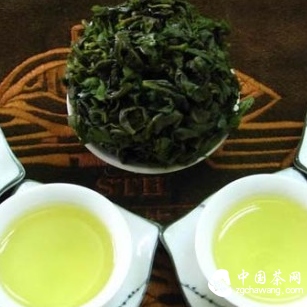
Methods to Identify Authentic Tieguanyin Autumn Tea
To skillfully distinguish authentic Tieguanyin autumn tea, you can start from three aspects: color, taste, and aroma. The color changes from bright green to dull grayish-brown, the taste becomes less rich and fresh due to oxidation, and the aroma loses its freshness. Additionally, you can identify i...
Tea News · Jun 24, 2026
Basic Knowledge You Must Understand When Learning and Identifying Tea
This article introduces 24 basic tea knowledge points, covering tea character, tea quality, aroma, bitterness and astringency, sweet aftertaste, salivation, convergence, sweetness, water character, layering, throat charm, fullness, smoky flavor, fruity acidity, sourness, watery taste, green taste, t...
Tea News · May 30, 2026
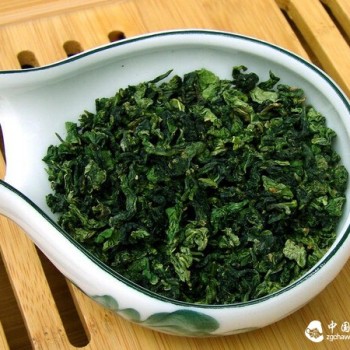
6 Tips to Identify Premium Tieguanyin Tea
Tieguanyin has always been widely popular, but identifying premium Tieguanyin is a profound skill. Experts can easily distinguish it, while beginners can evaluate the tea by observing its shape, listening to its sound, inspecting its color, smelling its aroma, and tasting its essence. This article t...
Tea News · May 28, 2026
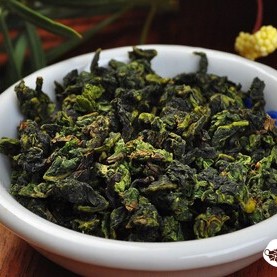
Adding Flavoring to Tieguanyin is Nonsense, Refined Craftsmanship Enhances Aroma
The article refutes the misconception that high-aroma teas like Tieguanyin achieve their fragrance through artificial flavoring. It explains that China's long tea-making history relies on natural plant properties and varied processing techniques to develop distinct aromas in green, black, oolong, wh...
Tea News · Apr 12, 2026
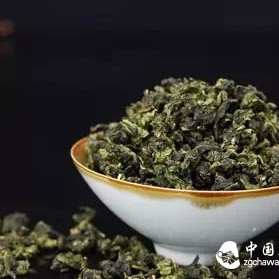
Why is Anxi Tieguanyin So Fragrant?
Anxi Tieguanyin is a premium variety of Oolong tea, known for its tightly rolled, heavy leaves with a sand-green color. When brewed, it produces a golden amber liquor with a natural, rich orchid fragrance and a mellow, sweet, and lingering aftertaste, often described as having a distinctive 'Yin Yun...
Tea News · Feb 22, 2026
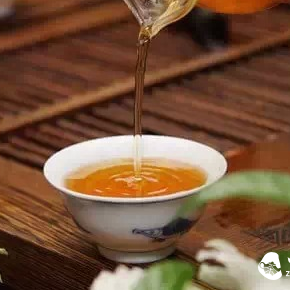
Distinguishing the Quality of Wuyi Rock Tea from Its 'Aroma'
The quality of Wuyi Rock Tea can be effectively assessed through its aroma, which is examined in four key stages: Dry Aroma, Lid Aroma, Water Aroma, and Cup Bottom Aroma. Dry Aroma refers to the scent of the dry leaves and helps detect any off-odors. Lid Aroma, captured on the lid after the first in...
Tea News · Feb 12, 2026
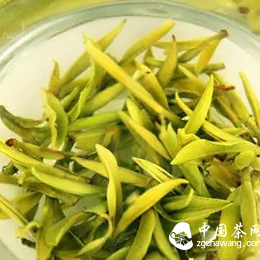
The Finest Yellow Tea: Characteristics of Junshan Yellow Tea
Junshan Yellow Tea is renowned as a premium variety of yellow tea, distinguished by several unique characteristics. Its tea leaves are tightly rolled, straight, and uniform in shape. The bud tips exhibit a golden, shiny appearance, often described as 'gold inlaid with jade.' When brewed, it releases...
Tea News · Feb 05, 2026
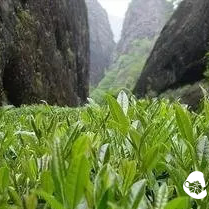
To Understand Rock Tea, First Learn to Appreciate Its Aroma
To truly appreciate Wuyi Rock Tea, one must first understand its distinctive 'rock rhythm' or 'Yan Yun,' which is primarily expressed through its complex aroma. This aroma sets it apart from other tea types. Learning to evaluate this fragrance is key to selecting high-quality Rock Tea. The appreciat...
Tea News · Jan 24, 2026
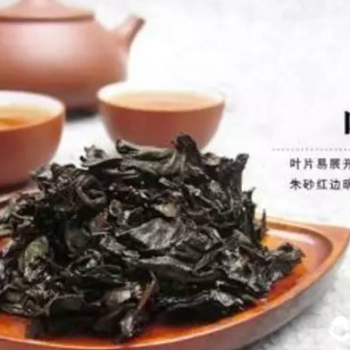
How to Distinguish the Quality of Wuyi Rougui Tea?
Wuyi Rougui is a high-aroma variety of rock tea known for its rich flavor and long-lasting aftertaste. To distinguish its quality, one should examine its tight, heavy strips; oily, sandy-green color with distinct red spots; clean and even appearance; and most importantly, its aroma and taste. Good R...
Tea News · Jan 20, 2026
Can Raw Pu-erh Tea and Ripe Pu-erh Tea Be Stored Together?
Raw Pu-erh tea and ripe Pu-erh tea are two types of tea with distinctly different quality characteristics and should never be stored together. The primary reasons are their differing aroma profiles and leaf residue colors. Raw Pu-erh typically develops fragrances like delicate, lotus, fresh, chestnu...
Tea News · Jan 09, 2026