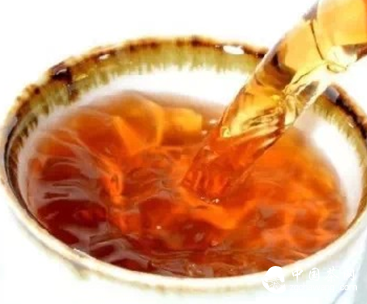
Everyone knows a little about the efficacy of dark tea, but what other wonders does it hold? China has a long history of "using tea to treat illnesses." There are many historical records of using aged tea to treat diabetes, dysentery, colds, etc. Modern medicine believes that the polyphenols, tea polysaccharides, tea saponins, amino acid alkaloids, and inorganic elements in tea all have health care functions for the human body. Tea is a special beverage that can enhance human immunity, resist oxidation and aging, prevent cancer, lower blood lipids, and regulate metabolism. It is recognized by the global tea academia and medical community as the health beverage of the 21st century, ranking first among the world's six major healthy drinks.
Dark tea belongs to post-fermented tea. Its unique processing, especially the involvement of microorganisms, gives it special pharmacological effects in traditional Chinese medicine. It is rich in tea polysaccharide compounds, which the medical community believes can regulate sugar metabolism in the body (preventing diabetes), lower blood lipids and blood pressure, resist blood clotting and thrombosis, and improve the body's immunity. Clinical trials have proven that the special effects of dark tea are significant and cannot be replaced by other types of tea. Using high-throughput screening technology and selecting 10 modern disease models, research has been conducted on the health functions of dark tea for the human body, including models for lowering blood pressure, blood lipids, and blood sugar, inhibiting cancer cell spread, and improving human immunity. Model evaluations found that Qianliang Tea and Fu Brick Tea have significant effects on lowering blood pressure, lipids, and sugar, and are very helpful for human fat metabolism and weight control. Furthermore, extracts from Qianliang Tea have been found to inhibit the spread of gastric and liver cancer cells. Chemical tests also discovered two components in Qianliang Tea never seen before in other teas.
Dark tea is a post-fermented tea, unique to China, with a long production history and a rich variety. As early as the 11th century, around the Northern Song Xining period (1074 AD), there were records of using green hairy tea to undergo color change and turn black. Dark tea is the raw material for many compressed teas. Compressed teas made from dark tea include Fu Brick Tea, Hei Brick Tea, Hua Brick Tea, Xiangjian Tea, Qing Brick Tea, Kang Brick Tea, Jinjian Tea, Fangbao Tea, Liubao Tea, Round Tea, Tight Tea... etc. The main production areas are Hunan, Hubei, Sichuan, Yunnan, Guangxi, and other provinces. The annual production of dark tea is very large, second only to black tea and green tea, making it China's third major tea category. Dark tea is mainly sold for border trade, partially for domestic sales, and a small amount for export. Therefore, compressed tea made from dark tea is habitually called border sale tea.
Researchers from the University of Dundee in Scotland recently reported that dark tea contains some elements similar in function to insulin. Drinking dark tea may help people with type 2 diabetes control their blood sugar levels. Dr. Lina, leading the research, said the study found two insulin-like substances in dark tea—theaflavins and thearubigins. These two components in dark tea can replace insulin to achieve blood sugar-lowering effects.