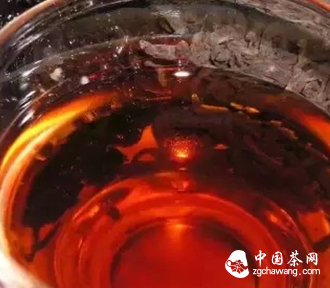
Learn to experience the five levels of Pu'er tea aroma: Surface Aroma (Floating on Water), Aroma Entering Water, Aroma Contained in Water, Aroma Born from Water, and Aroma as Water. For beginners, experiencing these different aromatic levels primarily relies on repeated comparisons and varying the focus of attention.
Surface Aroma (Floating on Water)
The primary level of Pu'er tea aroma, Surface Aroma, is superficial and floating. It can be smelled but not truly tasted. Its characteristic is that the scent disperses into the air during brewing and is noticeable on the lid or cup, smelling very fragrant. However, upon entering the mouth, the aroma decreases significantly, with little to no fragrance remaining.
Aroma Entering Water
The secondary level of Pu'er tea aroma, Aroma Entering Water, sees most of the tea fragrance dispersing, with a smaller part infusing into the tea soup. The experience of this aroma is: it smells fragrant and also tastes fragrant when drunk, but not as fragrant as it smells.
Aroma Contained in Water
The intermediate level of Pu'er tea aroma, Aroma Contained in Water, involves a small part of the fragrance dispersing, while most integrates into the tea soup. The aroma infused into the soup sinks, partly released from the mouth and teeth, and partly from the throat. To experience this aroma, the method is: hold your breath as the tea soup enters the mouth, wait until it goes down the throat, close your mouth, and then exhale slowly and deeply through the nose, paying attention to the source of the fragrance.
Aroma Born from Water
The advanced level of Pu'er tea aroma, Aroma Born from Water, features an excellent fusion of tea fragrance and tea soup. It hardly smells fragrant, but after drinking, the aroma slowly emerges from deep within the throat, remaining exceptionally persistent. The texture of such tea soup is usually quite smooth and rich.
Aroma as Water
The highest level of Pu'er tea aroma, Aroma as Water. This type of tea must be well-aged tea with high-quality raw material and processing. Its aged aroma is rich and intense, completely integrated with the tea soup. Wherever the tea soup flows, the aged aroma follows. Moreover, the tea soup presents a wonderful "melting" sensation as the aroma is released. Drinking it gives a marvelous feeling of "the soup is the aroma, the aroma is the soup."
Finally, special attention is needed: To experience Aroma Entering Water, the key is to compare the aroma released during brewing with the aroma perceived while drinking. If it tastes more fragrant, shift your focus to the throat and oral cavity to experience the degree of Aroma Contained in Water. If the aroma after swallowing the tea soup is stronger than when held in the mouth, then maintain your attention on the throat area for a longer time to experience Aroma Born from Water, focusing on the characteristics, persistence, and intensity of the aroma released from the throat area after swallowing.