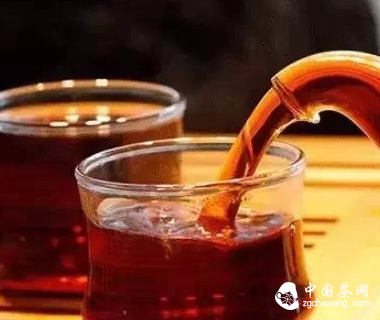
Pu'er tea is a popular category in the current tea market, loved by many for its taste.
A few years ago, during the peak of its popularity, Pu'er tea was once speculated to astronomical prices, making ordinary consumers hesitate and lament that it was even more expensive than gold.
Nowadays, as Pu'er tea prices have gradually returned to rationality, more and more affordable Pu'er teas have entered ordinary households with their friendly prices and excellent taste, becoming an essential tea for all seasons, suitable for all ages, and for entertaining guests. Due to the prominent health preservation value of Pu'er tea, elderly friends especially favor it.
Although Pu'er tea is known as 'Longevity Tea,' elderly people should pay attention to the following time periods when they should avoid drinking tea.
First, do not drink tea on an empty stomach. Because tea contains alkaloids such as caffeine, drinking tea on an empty stomach can easily lead to excessive absorption of caffeine by the intestines, which may cause overstimulation symptoms in some people, such as palpitations, dizziness, weakness in hands and feet, and mental confusion—known as tea drunkenness. Those who drink tea on an empty stomach in the morning are more prone to tea drunkenness. If tea drunkenness occurs, sucking on candy or drinking some sugar water can help alleviate it. The digestive systems of the elderly are more fragile than those of younger people, and middle-aged and elderly people with stomach or duodenal ulcers should especially avoid drinking tea on an empty stomach, particularly strong tea. Excessive tannins can irritate the gastrointestinal mucosa, worsening stomach conditions. However, drinking tea after meals can aid digestion and reduce greasiness.
Second, do not drink tea when intoxicated. Tea has a stimulating effect on the central nervous system, and drinking strong tea after intoxication can increase the burden on the heart. For elderly people with poor heart and kidney function, drinking large amounts of strong tea after alcohol consumption is not advisable. Instead, methods such as eating plenty of fruit or sipping vinegar can be used to speed up the body's metabolism and alleviate intoxication.
Third, do not drink raw tea before bedtime. Substances such as theophylline in raw tea, when absorbed by the body, have a noticeable stimulating effect on the central nervous system. However, drinking some ripe Pu'er tea in moderation is acceptable. Ripe Pu'er is mild, with a theophylline content of less than 20%, and can help promote sleep.
Finally, do not drink tea during medication periods. Some elderly people with chronic illnesses require long-term medication, and many drugs should not be taken with tea. Theophylline can reduce the efficacy of certain medications, so it is also not advisable to drink tea while taking medicine.