The healthcare effects of tea are clear to everyone, but many are unaware of its potential harms. There's a Chinese saying: 'Drink tea without washing the cup, and the King of Hell will hurry your life.' It means that if tea stains are not cleaned promptly, they can endanger health. In this health article, we discuss the tea stain issue that tea drinkers must face.
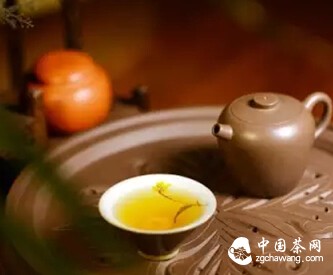
○ First, let's dispel a misconception. Some tea drinkers like having a thick layer of tea stain in their cups, thinking it's just tea leaves sediment, or even believing that tea brewed in stained ware tastes better. For a heavily accumulated layer, enthusiasts even give it the elegant name 'tea mountain.' Folklore says that if a pot is just rinsed casually over years or generations, accumulating tea stain, it becomes a treasure. Then, you wouldn't even need tea leaves; just pouring in hot water would achieve 'the fragrance of tea without the leaves,' with even stories of tea stains saving lives. However, these tales warrant scrutiny. Those who believe them should understand how tea stains form and their composition.
○ Scientific research shows that tea stains result from the oxidation reaction between tea polyphenols and metal substances in tea rust in the air, containing various metals harmful to the body like cadmium, lead, iron, arsenic, mercury, and nitrites. Unfinished tea or tea left standing for long periods exposed to air is more prone to forming stains. Knowing the composition, it's clear that if these substances enter the body with tea, they inevitably affect health. Arsenic, cadmium, and nitrites are carcinogens, and large amounts of tea stain entering the body can cause lesions and functional disorders in the nervous, digestive, urinary, and hematopoietic systems. Therefore, tea lovers should adopt this view—love drinking tea but don't forget to wash your cup often.
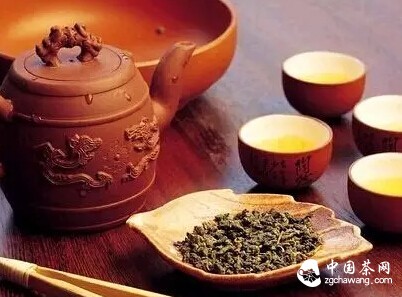
○ Cleaning tea ware isn't as simple as just rinsing with water. Whether there's stain or not, tea utensils must be cleaned after use to prevent accumulation. If tea stain has formed, many forcefully scrub with steel wool, which is unscientific and laborious. Experts specially remind that using rough cleaning tools like steel wool can damage the glaze inside the ware, making it thinner, allowing future stains to penetrate deeply, making them extremely hard to remove completely. It's better to use soft small brushes, toothbrushes, or gentle cleaning cloths. There are many small methods worth recommending for cleaning tea stain.
○ If tea stain has built up and is hard to clean, soaking with heated rice vinegar or baking soda overnight, then brushing with a toothbrush can easily clean it. Applying edible salt inside, especially on stained areas, then scrubbing hard with a toothbrush, and finally rinsing with clean water also works. Note that if using a purple clay teapot, don't clean it this way. Because purple clay has pores that can absorb minerals from tea stains, helping maintain the pot, and harmful substances won't 'escape' into the tea to be absorbed by the body.
○ You can also put a small spoon of orange powder or orange juice inside the cup or pot, fill with water, let sit for 2-3 hours; then the stain loses adhesion and is easy to remove. Adding water and potato peels to the teapot or cup, heating to boil, cooling, and rinsing also cleans easily. Many tea friends use metal tea strainers, which can turn black with long-term stain adhesion. If medium cleaners don't work, soaking in vinegar or bleach can easily remove the stain.
○ Looking back, develop good tea-drinking habits. If there were misconceptions before, don't worry too much. Although tea stains pose health risks, the content of harmful heavy metals is relatively low. No one intentionally eats tea stain, and even if accidentally ingested, there's no need for alarm or stomach pumping; no discomfort will likely occur. But good habits are built daily. For health, it's still necessary to clean tea stains. Whether for aesthetics, hygiene, or health, regularly cleaning tea ware is essential.