Behind a cup of good tea lies the most meticulous care in every step, from planting the tea trees and harvesting the leaves to brewing the tea leaves...
So what are the standards for good tea? Just as the world of tea ceremony is multifaceted, with each person having different preferences and areas of deep interest, the definition of what makes a cup of tea 'good' varies from person to person.
Conventionally, good tea should encompass the following points:
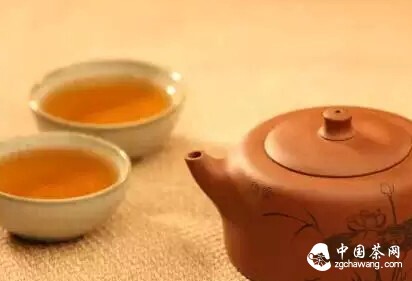
1. Clear and Bright Liquor
This is the most intuitive criterion for judging whether a tea is good. Regardless of whether the tea liquor is red, green, black, white, or yellow, the key is that it must be "clear and bright." A clear and bright liquor is not only pleasing to the eye but also indicates:
1. Excellent tea processing with minimal broken bits or dust.
2. Good storage conditions—free from dust and mold.
3. Abundant inner substances in the tea that have been well released.
4. Scientific brewing methods. Sometimes, brewing techniques can cause even good tea to appear cloudy, such as using water that is too hot or using a high-pour method for teas with many fine hairs.
2. Bitterness and Astringency That Disperses on the Tongue
A tea without bitterness or astringency is not really tea; these qualities are inherent to tea. The key lies in whether they can dissipate quickly. If the bitter and astringent taste lingers in the mouth, often described as "sticking to the tongue," it likely cannot be considered good tea. Some people may prefer this, but that can only be considered a personal, subjective standard.
3. Free of Off-flavors, Strange Odors, or Watery Taste
1. Off-flavors refer to smells not inherent to the tea itself, usually absorbed during production or storage, such as perfume, cosmetics, smoke, or other miscellaneous odors. Because tea has excellent absorbency, extreme care must be taken during production and storage. Once absorbed, off-flavors are almost impossible to remove, ruining even the finest tea.
2. Strange odors refer to unpleasant smells from the tea itself, such as moldiness. There are also some indescribable smells that make one feel uncomfortable. Some might claim this is the unique characteristic of that particular tea—don't believe such nonsense. Strange odors often indicate problems with the tea, such as the presence of harmful substances like aflatoxin, which are detrimental to health if consumed.
3. Watery taste refers to a separation between the tea flavor and the water, resulting in a bland, fishy taste. A watery taste often appears when the tea liquor becomes weak. Good tea will not exhibit this separation; it remains mild but not fishy.
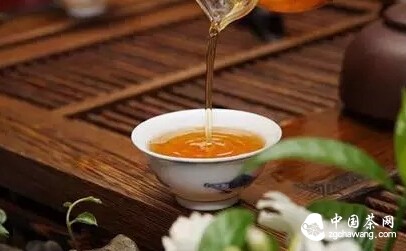
4. Lively Tea Base (Brewed Leaves)
The tea base of good tea, regardless of which of the six major tea categories it belongs to, shares the common characteristic of being lively. A lively tea base indicates:
1. Good raw material (tea leaves). The tea base reflects the original quality of the fresh leaves.
2. Good processing techniques; the tea has not been "over-killed" during manufacturing.
3. Proper brewing that allows the leaves to fully unfurl without being stewed or spoiled by overheating.
5. Good Tea Must Be Free of Harmful Substances Like Pesticide Residues
This is the bottom line for good tea. Drinking tea should not satisfy the palate at the expense of health, which is the essence of tea. We must firmly resist teas with excessive pesticide residues, heavy metals, or other harmful substances.
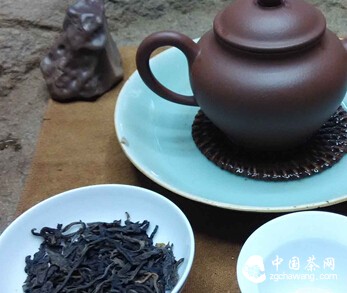
6. Good Tea Brings Pleasure
Don't consider this a purely subjective standard. Good tea brings pleasure because the aromatic substances and certain components in it promote the secretion of dopamine after drinking, thereby improving mood and clearing the mind. Conversely, poor-quality tea can make one feel increasingly gloomy.
Therefore, if you are unsure about the above standards, use this as your sole criterion. After all, tea is beloved by almost all countries and ethnic groups worldwide not through educational promotion but because of its intrinsic nature: drinking tea makes people feel happy and content.
Inexpensive tea is not necessarily bad, nor is expensive tea flawless. The price of tea actually depends on numerous factors. Blindly pursuing high-priced tea can often lead to confusion in the vast sea of teas.... By improving your ability to select tea, you will soon develop your own understanding of tea. You will form insightful views on what makes a cup of tea good.
For tea drinkers, no number of standards can outweigh taste. A cup of tea, a good cup of tea, is ultimately about being pleasing to your palate.