Is all Pu-erh tea produced in Pu'er?
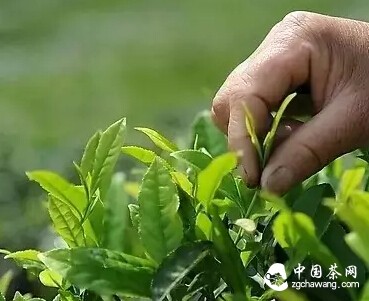
Pu-erh tea is named after Yunnan's Pu'er, indicating a deep渊源. But is it named because all of it is produced in Pu'er, Yunnan?
Quite the opposite. The Pu'er tea region is just one of the main tea-producing areas in Pu'er. Historically, it was more famous as a distribution hub. During the Ming and Qing dynasties, the renowned Pu-erh tea that gained fame worldwide mostly came from within Xishuangbanna. Even the tribute tea for Qing emperors was harvested from the ancient Six Great Tea Mountains in Xishuangbanna. To this day, besides the Xishuangbanna tea region, which has the largest output and the most illustrious history of Pu-erh tea, and the Pu'er tea region, the main production areas for Pu-erh tea also include the Lincang tea region and the Baoshan tea region.
Plantation tea is older than arbor tea
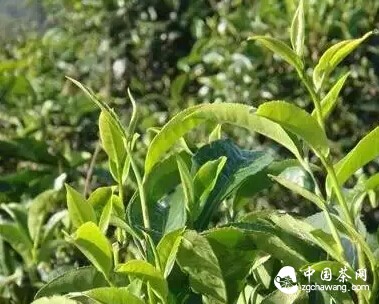
There's a view in the market: arbor tea is not suitable for long-term storage, it becomes weaker over time, and its long-term aging is inferior to plantation tea. Old teas are mostly made from plantation tea原料, with a long history and proven track record, etc. In fact, large-scale cultivation of plantation tea in Yunnan began around the Cultural Revolution period. It wasn't until the 1980s that plantation tea became the main raw material for Pu-erh tea. Before that, whether it was the famous 'Hao Ji' (号级) teas or 'Yin Ji' (印级) teas, they were mostly made from traditional arbor-type tea trees. So, where did this说法 come from? During the market fluctuation in 2007, many people hoarded large quantities of Pu-erh tea made from plantation tea at high prices...
In recent years, Pu-erh arbor tea has been extremely火爆. But where there is joy, there is also worry. Those with scruples try to hype it from different angles (represented by certain large factories, emphasizing history, appreciation, circulation, heritage, technology), at most adding some吹风 (like the above). Those without scruples resort to various packaging papers, various stories, and various冒名顶替.
Pu-erh Tea Grades: Have Nothing to Do with Tea Quality
When questions like "What grade is this tea?" or "What grade of tea leaves are used in this cake?" appear, some people always show a "knowing smile."
Pu-erh tea has ten grades: special grade and grades 1-9. So, is a higher tea leaf grade better, or is a lower tea leaf grade better? Answer: Neither.
Because tea leaf grades are determined based on the size and tenderness of the tea leaves, and are not related to the inherent quality of the tea leaves themselves. The selection criteria for Pu-erh tea原料 are not about the older the better or the younger the better. Therefore, tea leaf grade does not determine quality. On the contrary, leaves that are too young or too old are not ideal. In recent years, with the rise of arbor tea, raw Pu-erh tea is commonly made directly from one bud and two leaves, and the grading system is increasingly fading from view.
But why the knowing smile? First, arbor原料 like big tree and small tree leaves grow irregularly. To divide them into ten grades, they must be cut, which damages the tea. Few people do this. Second, during the previous grading era, one cake of tea was often blended from different grades of leaves; rarely was a single grade used for one cake. So why ask this question? Answer: To appear knowledgeable about tea.
How many years for raw tea to turn into ripe tea?
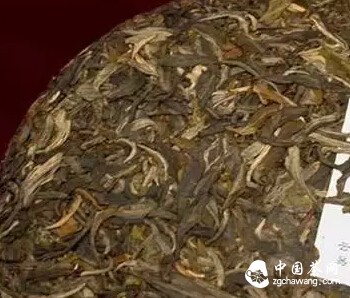
"How many years for raw tea to turn into ripe tea?" The concept of "raw turning ripe" has been circulating among the public for a long time, even tracing back to several Taiwanese tea experts from the early days of Pu-erh's popularity. But in fact, raw Pu-erh tea will never become ripe Pu-erh tea no matter how long it is stored. Raw tea stored for a long time only becomes aged raw tea. Ripe tea is made through the pile-fermentation process. Aged raw tea and ripe tea only share some overlapping characteristics: not bitter/astringent, and having a reddish,浓汤色. But time cannot replace工艺. It's like old rice只会变成陈米 (aged rice) and will never become cooked rice.
Imperial Palace Pu-erh that even emperors never drank
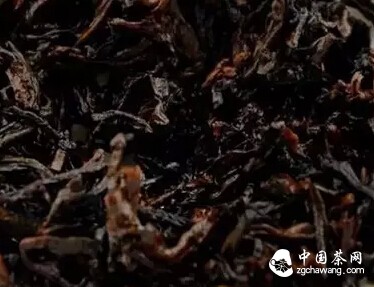
A type of "Imperial Palace Pu-erh" is流行 in the market. But in fact, emperors深居 in the palace never drank Imperial Palace Pu-erh, and Imperial Palace Pu-erh was never进贡 to the宫廷. The Imperial Palace Pu-erh commonly seen in the market is generally ripe tea made from very fine and tender原料. First, the earliest ripe tea was born in the 1970s. Second, it is generally believed that the concept of "Imperial Palace Pu-erh" first appeared after 1999. As for why it was named Imperial Palace Pu-erh... (Please allow the editor to omit 10,000 words here!)
Actually, using emperors to sell goods is very common (especially Zhu Yuanzhang, Emperor Qianlong, and the Empress Dowager Cixi have high出镜率) and无可厚非. Here, we are just clarifying the源流 with an attitude towards knowledge.
The Inheritance of Century-Old Tea Brands
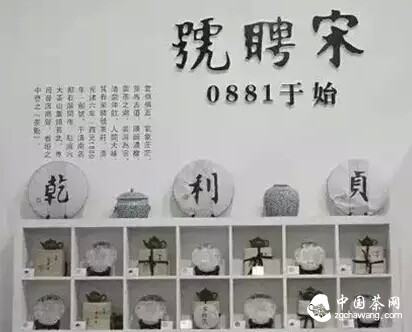
Song Pin Hao, Tong Qing Hao, Fu Yuan Chang Hao... These illustrious names have been flashing in the tea circle again in recent years. The name of a century-old brand shines like the old tea it produced, so eye-catching. Naturally, new tea from century-old brands attracts围观 from tea friends. But strangely, how were these century-old brands inherited? What is the relationship between tea products相隔数十年?
In fact, after the洗礼 of the Anti-Japanese War and the Liberation War, many old tea brands had already closed down before liberation. In the 1950s, due to well-known historical reasons, all private tea shops and brands within Yunnan successively disappeared, and their descendants scattered. Old brands that fled to Southeast Asian countries, like "Hong Tai Chang," also ceased production by the 1980s at the latest. So, regarding the inheritance of century-old tea brands... you understand.
Ps: Pu-erh tea has taken on some financial色彩 due to speculation. Having a story makes it easier to operate and attract接盘侠.
Is Pu-erh tea all suitable for brewing in purple clay?
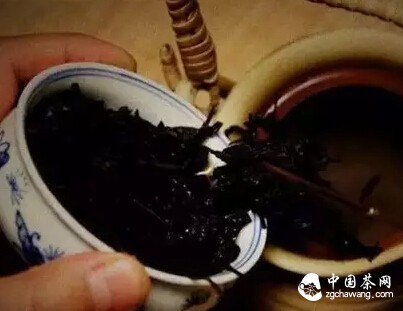
Purple clay teapots can be called利器 for brewing Pu-erh tea. The透气性 brought by the double-pore structure, the细腻汤感 obtained after冲泡, and the excellent保温效果 are all needed in Pu-erh tea brewing.
But this applies to ripe Pu-erh tea and aged raw Pu-erh tea. If brewing relatively heat-sensitive raw Pu-erh tea within 1-3 years, it's better to use a gaiwan. When buying Pu-erh tea, it's also best not to use purple clay to avoid misjudgment due to the teapot's增益效果.
How much do you know about Pu-erh tea's weight-gain effect?
Pu-erh tea for weight loss is one of its广为流传的功效. Tea friends generally认可 its刮油去脂 effect. But why mention weight gain here?
Pu-erh tea aids digestion and刮油. After drinking it, one often feels very hungry, leading to a胃口大开 and a胡吃海喝, which might反而 cause体重飙涨. Actually, weight loss is a behavior that requires coordination of exercise, diet, and lifestyle habits. Drinking tea like taking medicine,三天打鱼两天晒网, may not迅速减掉体重 and also loses the乐趣 of品茶.
Source: Chinese Tea Culture Knowledge