As spring arrives and temperatures fluctuate, residents with lower immunity are susceptible to colds. Besides directly consuming vitamin tablets to boost immunity, residents might consider trying Dark Tea. Experts on Anhua Tea explain that regularly drinking dark tea can supplement the body with necessary vitamins and minerals, helping to improve immunity.
China has a history of "using tea to treat illnesses." Components in tea such as polyphenols, tea pigments, tea polysaccharides, tea saponins, amino acids, alkaloids, and inorganic elements all offer certain health benefits, thereby enhancing human immunity, providing antioxidant and anti-aging effects, and regulating metabolism. Anhua Dark Tea, due to its unique processing method, is notably rich in vitamins and minerals. Tea leaves concentrate mineral elements mainly in mature leaves, stems, and stalks. Anhua Dark Tea uses older raw materials, resulting in higher mineral content compared to other teas. It contains significant amounts of fluorine and selenium, which can strengthen the body's resistance to diseases and regulate metabolism.
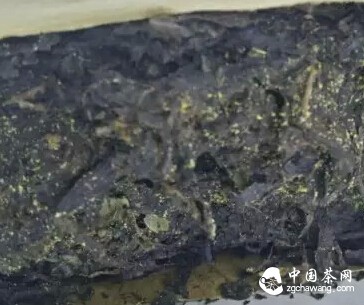
"Anhua Dark Tea contains abundant vitamins, including A, C, E, F, K, and others," experts note. These vitamins are essential for maintaining health: Vitamin A is crucial for normal vision; Vitamin C prevents scurvy, boosts immunity, helps prevent colds, promotes iron absorption, and is a potent antioxidant. Since Vitamin C is water-soluble, drinking tea can help meet the daily requirement (50mg). Vitamin E is a strong antioxidant with anti-aging and beautifying effects; Vitamin F prevents cholesterol deposition in arteries and promotes healthy skin and hair growth; Vitamin K aids calcium utilization and absorption.
Regularly drinking Anhua Dark Tea provides a comprehensive range of vitamins. In ethnic minority regions of northwest China and high-altitude snowy areas where vegetables and fruits are scarce, people have relied on daily dark tea for centuries to obtain their vitamin supply. Additionally, dark tea effectively promotes the excretion of lipids from the body, inhibits the deposition of lipid-like substances, thereby reducing cholesterol, lipoprotein cholesterol, and triglyceride levels in the blood. It can also increase the activity of activated protein enzymes in the body, contributing to lipid-lowering and weight-loss effects.