Introduction
"The Chinese habit of drinking tea has existed since ancient times. Drinking two or three cups of tea daily can have health benefits. The storage of tea leaves is closely related to health. Does tea have a shelf life? Yes, tea does have a shelf life, something many consumers are unaware of and merchants are reluctant to admit. Therefore, many tea packages do not indicate an expiration date.
Shelf Life of the Six Major Tea Categories
Dark Tea (Hei Cha)
Pu'er tea is divided into raw tea and ripe tea. Generally, raw tea has a shelf life of about 5 years, while ripe tea, due to special fermentation, improves with age, with a shelf life of over 15 years.
Different teas have different shelf lives. For instance, Yunnan Pu'er tea and compressed brick tea from ethnic minorities actually improve with aging, with a shelf life of 10 to 20 years. Another example is Wuyi Rock Tea (Yancha); tea stored for a year often becomes more aromatic and mellow. Teas like Hunan Dark Tea (Hei Cha), Hubei Fu Brick Tea (Fuzhuan Cha), and Guangxi Liupao Tea, if stored properly, not only do not spoil but can even enhance in quality.
Black Tea (Hong Cha)
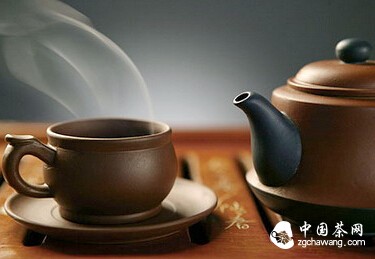
Generally, black tea has a relatively short shelf life, typically one year. Second flush and autumn harvest black teas have a shelf life of 1-2 years. Ceylon black tea often has a longer shelf life, commonly around two years.
Loose black tea usually has an 18-month shelf life. Bagged black tea generally lasts 24 months. Canned or aluminum foil-packed black tea can be stored for about three years, while paper bag packaging lasts about two years.
Green Tea (Lü Cha)
For most teas, freshness is preferable. For example, green tea has a shelf life of about one year at room temperature. However, the main factors affecting tea quality are temperature, light, and humidity. If storage methods are appropriate to reduce or eliminate these factors, tea can be preserved for a long time.
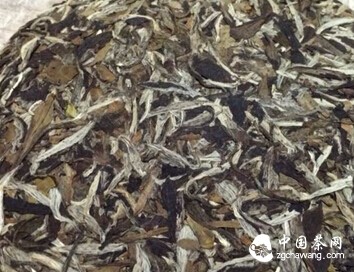
White Tea (Bai Cha)
White tea is said to improve with age, provided it is stored well. White tea generally needs to be sealed for storage; otherwise, it can lose moisture or become damp. Proper storage is key to achieving the saying, "One year is tea, three years is medicine, seven years is treasure."
Yellow Tea (Huang Cha)
Yellow tea is a fermented tea category. Its production is similar to green tea, with an additional "smothering" (men dui) process. Therefore, like green tea, yellow tea has a shelf life of only about one year.
Oolong Tea (Qing Cha)
There is no明确规定 (explicit regulation) for the shelf life of oolong tea. The key to tea preservation lies in the moisture content of the tea leaves themselves and the moisture-proof performance of the packaging materials used for small packages. If the tea's moisture content can be kept below 7%, its quality will not deteriorate excessively within 12 months; if the moisture content is below 6%, and it is fully sealed in a tin like "canned food," it will not over-age even within 3 years. If the moisture content exceeds 9%, it is difficult to guarantee it won't spoil within 3 months.
Packaging and Storage Methods Also Affect Shelf Life
Typically, the shelf life of密封包装 (sealed packaged) tea varies from 12 to 24 months. Loose tea has an even shorter shelf life because exposure during display can cause it to absorb moisture and odors, not only diminishing the original tea flavor but also making it more prone to spoilage. For example, green tea is generally best when fresh, with a shelf life of about one year at room temperature. Factors affecting tea quality mainly include temperature, light, and humidity. Does tea have a shelf life? If storage methods are appropriate to reduce or eliminate these factors, tea can maintain its quality for a long time.
How to Determine if Tea Has Expired
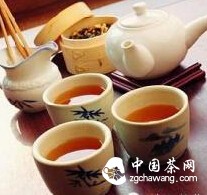
To determine if tea has expired, consider the following aspects: First, check for mold or the appearance of a stale smell. Second, observe the color of the tea soup—for instance, whether green tea has turned red, or if the soup color has become brown or dull. Third, taste it, focusing on the concentration, astringency, and freshness of the tea soup. Does tea have a shelf life? Except for dark tea, most teas do have a shelf life. If it's loose tea purchased over 18 months ago, its production date is even older, and it should be consumed with caution.