The Difference Between Tieguanyin and Aged Tieguanyin?
Methods for Preserving Tieguanyin
Generally, the Tieguanyin available on the market is lightly fermented. Therefore, it is best not to store it at room temperature for more than three months; consuming it within one to two months is ideal. Tea is a food product, a fast-moving consumer good, not a collectible.
If vacuum-sealed and stored at 3-5 degrees Celsius, it can be kept for up to two years without issue. The lower the temperature, the longer it can be stored, but it becomes more prone to spoilage once returned to room temperature, so it should be consumed quickly.
The tea leaves we purchase are mostly vacuum-compressed packaged. If packaged this way and also come with an outer can, and you plan to drink them soon, generally just store them in a cool, shaded place, avoiding light. If you want to achieve the best preservation effect and longest duration, it is recommended to store them in the freezer at -5 degrees Celsius for optimal freshness.
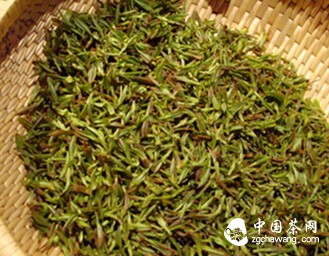
During storage, care should be taken not to place the tea with odorous items and to avoid exposure to sunlight and moisture. However, based on personal experience, Tieguanyin tea, as a beverage, even when dried and vacuum-packed, does not mean it can be stored permanently. To enjoy its fresh flavor, it is recommended that tea bought home should not be kept for more than a year, with finishing it within six months being best!
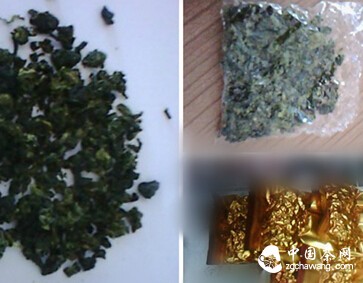
What is Aged Tieguanyin?
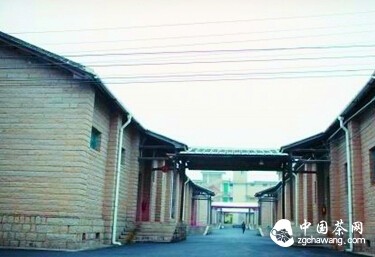
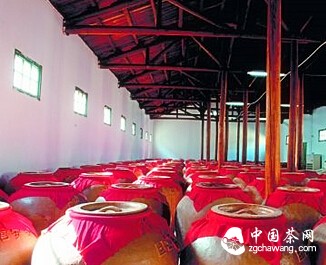
There is currently a trend for "Aged Tieguanyin." Not every Tieguanyin stored for many years qualifies as Aged Tieguanyin. It involves tea farmers slowly baking the year's tea over a low heat until sufficiently dry, then placing it in ceramic jars sealed with wax. These jars are stored in a special stone-and-wood structured warehouse cellar. After several years, the tea is taken out and re-baked. The resulting flavor is excellent! It can aid bowel movements and has excellent effects on softening blood vessels in the elderly.
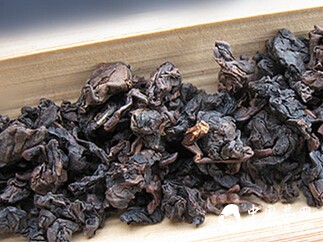
Characteristics of Aged Tieguanyin
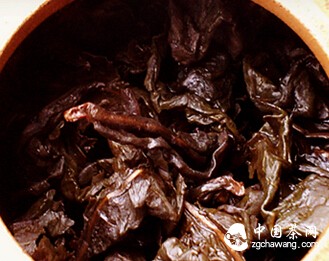
The dry tea leaves have a dull, withered color, which becomes more pronounced with increasing age.
The taste is mild and becomes more mellow over time.
The dry tea has a clean, fragrant aroma with subtle floral notes. The fragrance becomes more pronounced after brewing.
Regular Tieguanyin is green, whereas Aged Tieguanyin is dark, oily, and very resistant to multiple infusions.
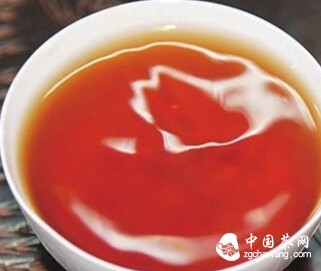
Preservation Methods for Aged Tieguanyin
Premium Anxi Tieguanyin is processed using traditional charcoal baking techniques over a long period. After baking and cooling, the tea is sealed and stored in a special stone-and-wood structured warehouse cellar, which remains cool in summer and warm in winter, promoting its post-fermentation and a series of transformations.
Every one or two years, it must be re-baked; each time, the tea master bakes it with charcoal for 30-60 hours; afterwards, it is packaged and stored in earthenware jars. After several more years, it is taken out again for re-baking.
Enterprises categorize it into several grades based on the cycle characteristics of its internal component changes, such as five years, ten years, fifteen years, eighteen years, twenty-eight years, etc. The period from ten to twenty-eight years is considered optimal.