What I'm saying is based on my understanding. You don't have to agree, but you must read it through. Let's start with Pu-erh raw tea. Simply put, raw tea generally involves a few key points: aroma, bitterness/astringency, salivary secretion and sweet aftertaste, and physical sensation.
Aroma is divided into the fragrance detected by smell and the flavor perceived in the mouth. The fragrance detected by smell is further divided into: dry leaf fragrance, fairness cup fragrance, and wet leaf fragrance.
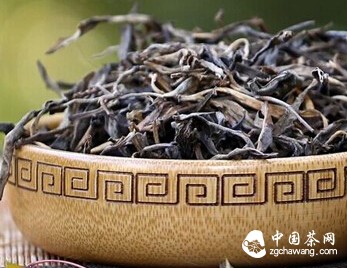
Regarding bitterness and astringency, let's focus on astringency. Astringency refers to a layer coating the tongue or mouth, an unpleasant, rough sensation that makes the tongue feel unsmooth.
Shengjin (salivary secretion) is the production of saliva. Huigan (sweet aftertaste) has been explained in detail in a previous topic. Physical sensation refers to the bodily feelings after drinking tea, such as dry lips, sweating on the forehead, throat discomfort, or stomach upset.
So what is good Pu-erh raw tea? Raw tea should be discussed separately as new raw tea and aged raw tea. Good new raw tea's dry leaves may not necessarily be fragrant, but the fairness cup and wet leaves must be fragrant (with a plant-based清香 from the wet leaves). It's best if aroma can be felt in the mouth. Bitterness and astringency should dissipate, meaning they don't persist; the faster they dissipate, the better. The more intense and lasting the shengjin and huigan, the better. Good shengjin or good huigan alone does not qualify as good new tea. The drinker should not experience physical discomfort. If your stomach inherently cannot tolerate new tea, naturally you will feel uncomfortable upon drinking it.
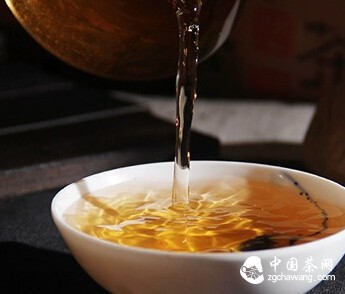
Aged raw tea must first have normal storage without any off-odors. The fairness cup should have fragrance, and there should be a certain aged aroma (the smell of old things) in the mouth. Upon entry, bitterness and astringency should be weak and dissipate. Shengjin and huigan should be lasting and captivating. Drinking it should not cause discomfort. This is good aged raw tea. There are too many average raw teas in the market, most only suitable as daily drinker tea.
Good Pu-erh ripe tea can be simply described by these points: cleanliness, smooth entry, flavorfulness, and physical sensation.
Cleanliness refers to two aspects: what is seen by the eyes is clean, and what is felt in the mouth is clean. Smooth entry is easily understood: the tea soup should not feel gritty upon entering the mouth but should have a glutinous feel, all the way to the stomach.
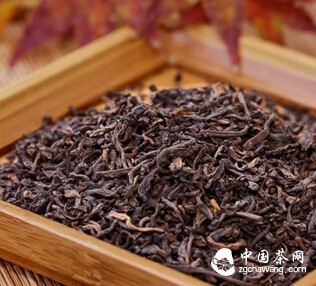
Flavorfulness means the tea soup has sweetness and aroma in the mouth. The physical sensation in ripe tea is more pronounced than in raw tea. This experience cannot be simply described by terms like stomach warmth or sweating. Drinking more ripe teas of different years, from different storage conditions and brands, allows for a better experience of this physical sensation. It can be experienced but not easily put into words.
Therefore, good Pu-erh ripe tea should be clean, smooth upon entry, flavorful in the mouth, and capable of bringing about a physical sensation. Speaking of ripe tea, some might ask why not mention traits like red liquor color, thick soup, date fragrance, or Menghai flavor to describe a good tea? Here, I can only say: I don't know why liquor color or aroma alone can indicate a tea is good? Because I drink tea with my body and mouth, not with my eyes or nose.