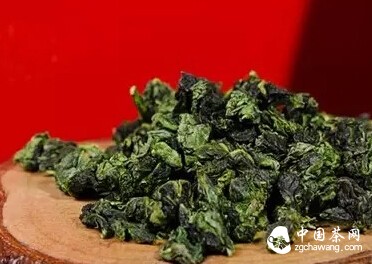
Shi Wenti, President of the Quanzhou Nutritionist Association, said that tea made using traditional techniques, with heavy shaking and fermentation, has a golden soup color, a distinct "Guanyin charm," and a mellow taste, evoking his memories of Tieguanyin from over 30 years ago. He believes that in recent years, Anxi has placed greater emphasis on tea garden management and traditional Tieguanyin processing. The flavor and nutritional components form a unity, aligning with the healthy lifestyle and reasonable dietary structure advocated in modern life.
Du Sanyuan, Vice President of the Quanzhou Nutritionist Association, analyzed the benefits of drinking traditional Tieguanyin from a nutritional standpoint. He stated that Tieguanyin contains various trace elements such as manganese, potassium, iron, and zinc, as well as nutrients like vitamins and amino acids. It possesses health qualities beneficial to the human body, including antioxidant, anti-aging, lipid-lowering, weight loss, and radiation resistance properties. Regular consumption can help with detoxification, skin beautification, and mental refreshment.
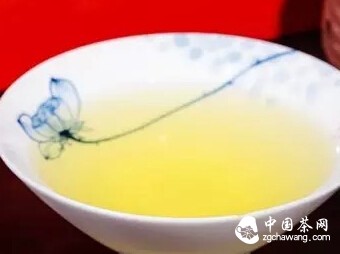
Traditional Anxi Tieguanyin refers to tea with heavy shaking and fermentation, distinct from modern techniques like "Xiaoqing" and "Tuosuan." It features obvious "green leaves with red edges" and the "Guanyin charm." At the 2014 Tea Quality and Safety Training Conference, Professor Lin Jinke, Dean of the Anxi Tea College at Fujian Agriculture and Forestry University, said the greatest charm of Tieguanyin lies in its "Guanyin charm," and its vitality lies in adhering to tradition. Traditional Tieguanyin is rich in theaflavins and thearubigins, which are excellent antioxidants. Fully fermented and processed into strong-aroma Tieguanyin contains higher levels of theaflavins and thearubigins.
It is understood that analysis of the main elemental components in traditional Tieguanyin using ICP-MS found its manganese content to be as high as 87.82 mg/100g and its iron content 11.49 mg/100g. This special ratio of high manganese and low iron gives it more efficient radiation resistance. In 2004, American scientist Daly's research found that bacteria with strong radiation resistance have high manganese and low iron content in their cytoplasm, which effectively protects proteins from oxidative damage caused by ionizing radiation.
Source: Anxi Tieguanyin Tea Culture