As soon as spring arrives, people are particularly prone to drowsiness, struggling to wake up and lacking energy for work. This is known as spring fatigue. Tea has always been considered the top choice for boosting alertness, so drinking more tea can help prevent spring fatigue. What teas can alleviate spring fatigue? You might only think of simple green tea, black tea, or ordinary tea leaves. In fact, many fashionable and delicious herbal teas are also great companions for refreshing ourselves.
Peppermint Tea
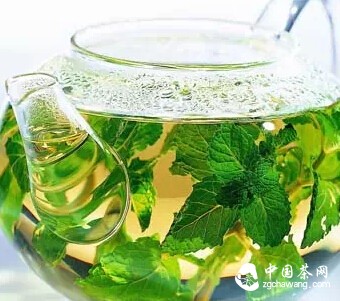
Drinking peppermint tea is one of the most recommended ways to refresh yourself. It has recently been endorsed by the American magazine Fitness as a healthy beverage. With a cool and pungent nature, it primarily contains volatile oils, including menthol, menthone, menthyl acetate, camphene, and limonene. It helps dispel wind, clear heat, and refresh the senses. However, peppermint may reduce milk supply in nursing mothers and has certain刺激性, making it unsuitable for breastfeeding women, pregnant women, and children.
Rose Peppermint Tea
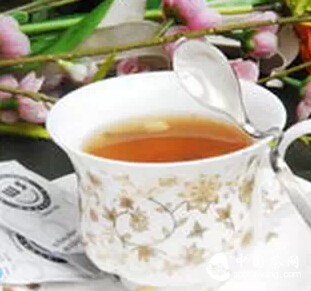
Ingredients: 4-5 dried rose buds, a small amount of peppermint (about 2-3 grams)
Preparation: Place the dried rose buds and peppermint together in a cup, cover, and steep for 10-15 minutes. Drinking it cool enhances its refreshing effect.
Benefits: Emotions can fluctuate easily in spring. Roses, often beloved by office women, help promote blood circulation, relieve stasis, and soothe emotions. Peppermint helps驱除 fatigue, making you feel rejuvenated. The sweet, pure fragrance of roses can offset the bitter taste of peppermint, offering the best of both worlds.
Rock Sugar Peppermint Tea
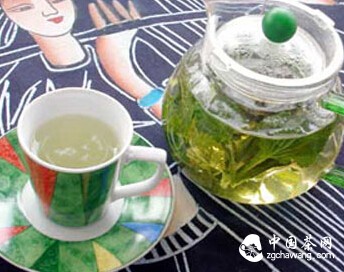
Ingredients: 5-10 peppermint leaves, rock sugar, honey, or fruit juice
Preparation: Rinse the freshly bought peppermint leaves with cold water and place them in a teacup. Add 200 ml of hot water, cover, and steep for 15-20 minutes until the herbal aroma is released. When cool, add rock sugar, honey, or fruit juice according to personal preference to enhance the tea's flavor.
Benefits: According to recent studies, peppermint can prevent spasms, relax muscles, and reduce muscle stiffness and pain. Peppermint tea stimulates movement in the digestive tract, aiding digestion—especially suitable for stomach discomfort or after consuming overly greasy food. For office workers in front of computers, a cup of cool peppermint tea when feeling lethargic can help refresh the mind and relieve stress. Additionally, due to its unique aroma, using peppermint tea as a mouthwash or for drinking not only leaves a fresh breath but also helps reduce gum swelling and pain.
Lavender Lemon Tea
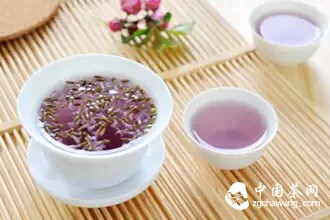
Ingredients: 5-6 dried lavender buds, lemon slices or lemon juice
Preparation: Place the dried lavender buds and lemon slices together in a teacup, add boiling water, cover, and steep for 5-10 minutes. If using lemon juice, add it after the tea turns light green and has cooled slightly.
Benefits: Lavender's fragrance is beloved by many women. Since ancient times, it has been known for its nourishing, stress-relieving, and fatigue-reducing effects. Lemon acts as a diuretic, aids digestion and blood circulation, and alleviates headaches. Its subtle fragrance can also uplift the spirit. However, pregnant women should avoid teas containing lemon.
Peppermint Chrysanthemum Tea
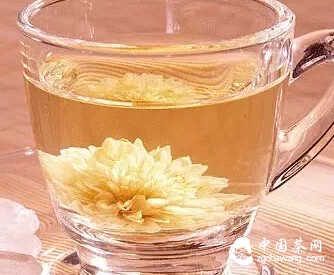
Ingredients: 3 grams of peppermint, 2 grams of chrysanthemum
Preparation: Place the chrysanthemum and peppermint together in a teacup, cover, and steep for 5-10 minutes.
Benefits: Chrysanthemum helps clear heat, detoxify, and relieve fatigue. Combined with the refreshing effects of peppermint, the result is even better.
Chrysanthemum Ginseng Tea
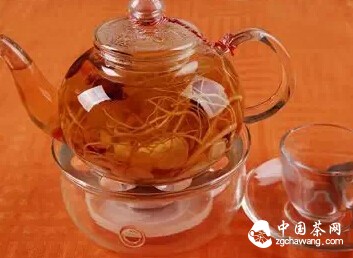
Ingredients: 4-5 dried chrysanthemum buds, 2-4 grams of ginseng
Preparation: Chop the ginseng into fine pieces and place it with the chrysanthemum buds in hot water. Cover and steep for 10-15 minutes.
Benefits: Ginseng contains saponins and various vitamins that help regulate the nervous system, boost immunity, and effectively驱除 fatigue. Chrysanthemum, with its pleasant fragrance, helps clear heat and improve vision. Together, they provide a refreshing effect. However, people with high blood pressure should avoid ginseng, and ginseng should not be consumed with tea, coffee, or radishes.