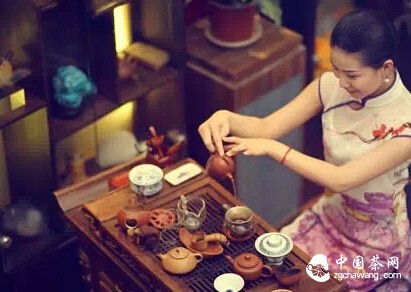
Tea Culture Spring is the most suitable time to drink floral tea, as floral tea can dispel the cold accumulated in the body during winter. The floral aroma also promotes the growth of the body's yang energy, refreshes the mind, and wards off spring fatigue.
Among various floral teas, Jasmine Tea is highly recommended, not only because it is a beloved household flavor for people of all ages in the north but also because it excels in nutrition and health benefits.
Compared to Chrysanthemum Tea and Rose Tea, jasmine tea has a more distant and elegant fragrance, praised as "the scent of spring," which better resonates with the意境 of "drinking in spring."
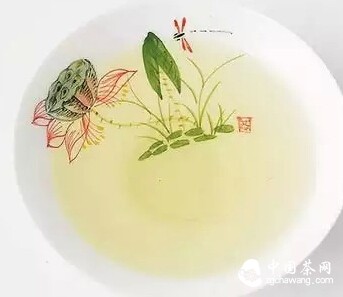
Two Key Terms to Understand Jasmine Tea.
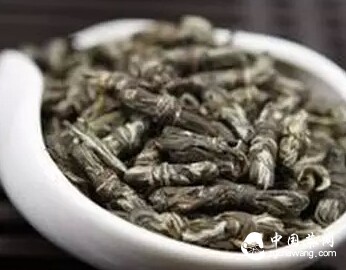
1. Tea Base (茶坯) — A specialized term in floral tea production, referring to the type of tea used to make floral tea. For example, jasmine tea made with Maofeng tea base is called Jasmine Maofeng.
Jasmine tea is made by blending and scenting tea leaves with fresh jasmine flowers, allowing the tea leaves to absorb the floral aroma. Most commonly encountered jasmine teas use green tea as the base for scenting, which is why jasmine tea is still classified under green tea in tea categories.
Due to different regions of production, the production techniques and quality of jasmine tea vary. Among them, Fujian Jasmine Tea is the most famous.
Fujian Jasmine Tea features an elegant appearance, visible fine hairs (毫峰), rich and long-lasting aroma, fresh and mellow taste when brewed, a bright yellow-green liquor, evenly tender and crystal-green leaves, and good durability for multiple infusions.
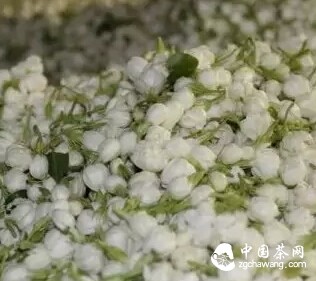
2. Scenting (窨制) — The process of allowing the tea base to absorb the floral fragrance.
For high-quality jasmine tea, besides the quality of the tea base, the most crucial part of the production process is the scenting stage.
Experts often mention "three scentings and one drying," "five scentings and one drying," or "seven scentings and one drying," meaning that during production, the raw tea needs to be scented three to seven times to fully absorb the jasmine fragrance.
Each time the raw tea absorbs the floral aroma, the spent flowers are sifted out. Then, the tea is scented again, sifted again, and scented again, repeating this process multiple times.
Therefore, any jasmine tea processed according to standard procedures without cutting corners, regardless of its grade, should retain its aroma even after several infusions.
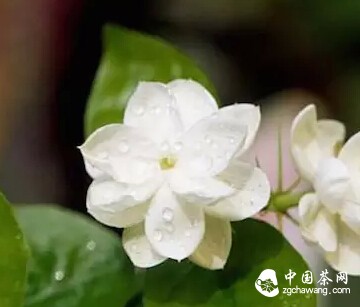
Three Steps to Select a Good Tea.
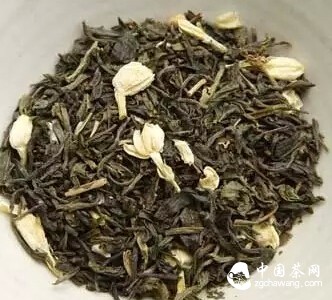
1. Observe the Appearance
Generally, high-grade jasmine tea uses tender buds as the tea base. Taking Fujian floral tea as an example: the best quality features long, plump strips with many fine hairs (白毫) and no leaves. The next grade consists of one bud with one leaf, two leaves, or many tender buds with visible bud hairs. Lower grades have fewer buds and more leaves, while low-grade tea is mostly leaves with almost no or no tender buds at all.
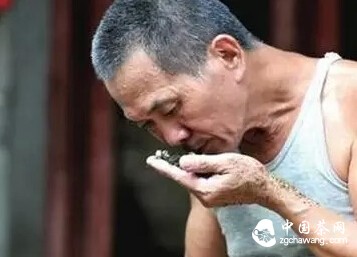
2. Smell the Aroma
Good floral tea should emit a strong but not overpowering, fragrant, and long-lasting aroma. It should smell refreshing with no off-odors whatsoever.
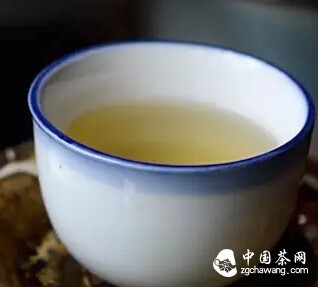
3. Taste the Flavor
If conditions allow when purchasing, sit down and taste it. Observe the liquor color, smell its aroma, and taste its flavor. The best tea has a rich aroma, a smooth taste, no bitterness or astringency, and no off-flavors.
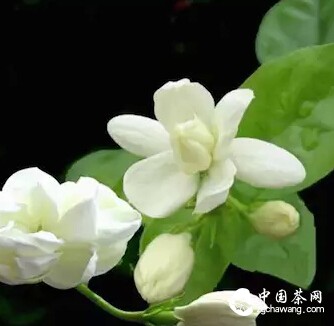
Six Major Categories to Savor the Spring Colors in Tea.
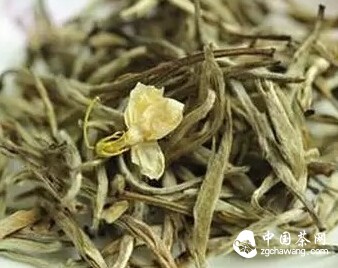
1. Fujian Jasmine Tea
Mainly produced in Fuzhou City, Fujian Province, and the northeastern region of Fujian. It uses high-quality roasted green tea (烘青绿茶) as the base, scented with jasmine flowers.
Fujian Jasmine Tea has an elegant appearance, visible fine hairs (毫峰), a rich and long-lasting aroma, a fresh and mellow taste when brewed, a bright yellow-green liquor, evenly tender and crystal-green leaves, and good durability for multiple infusions.
Among Fujian Jasmine Teas, the highest grade is Jasmine Da Bai Hao (Jasmine Silver Tip). It uses tea plant varieties with many fine hairs as raw material, resulting in a finished product covered with white hairs.
The production process of Jasmine Da Bai Hao is particularly refined. The finished product has many fine hairs and plump buds, a tender yellow color, a fresh, rich, pure, and long-lasting aroma, and a mellow, refreshing taste. It is a premium product among jasmine teas.
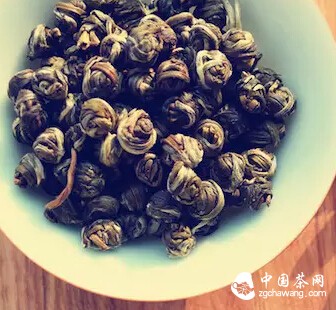
2. Long Tuan Zhu (Dragon Ball) Jasmine Tea
Long Tuan Zhu Jasmine Tea is produced in Fuzhou, Fujian. It is a traditional local famous brand product among Fuzhou jasmine teas. Quality characteristics: round, tight, heavy, and even appearance; rich and fresh aroma, mellow taste, bright yellow liquor, and thick, plump leaves.
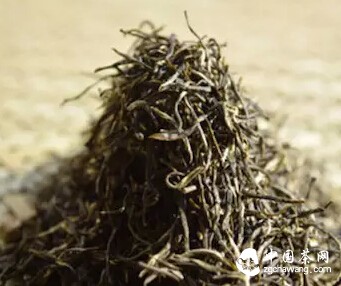
3. Zhenghe Jasmine Yin Zhen (Zhenghe Jasmine Silver Needle)
Zhenghe Jasmine Yin Zhen is produced by the Zhenghe Tea Factory in Fujian. Mainly sold in Beijing, Tianjin, and other places.
Its quality characteristics: the appearance features fat and strong bud strips covered with fine hairs, resembling silver needles, with an oily sheen; the liquor is clear and bright, the floral aroma is fragrant and rich, retaining its fragrance even after 3-4 infusions, the taste is fresh, rich, mellow, refreshing, and sweet with a lingering aftertaste, and the leaves are thick, even, tender, and each resembles a needle.
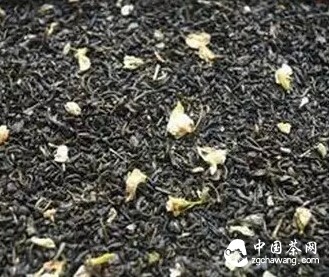
4. Jinhua Jasmine Tea
Also known as "Jinhua Floral Tea," produced in Jinhua City, Zhejiang Province. It selects high-quality green tea as the base and is scented with high-quality jasmine flowers that are round-headed, large-grained, plump,洁白, glossy, and fragrant. The production process must抓住 three key stages: fresh flower fragrance release, tea base fragrance absorption, and re-firing to preserve fragrance.
Its varieties include Jasmine Maofeng Tea, Jasmine Hongqing (Roasted Green) Floral Tea, Jasmine Chaoqing (Pan-fired Green) Floral Tea, etc. Among them, Jasmine Maofeng Tea is of the best quality. Jasmine Maofeng Tea has visible silver hairs all over, with buds, leaves, and flowers tightly rolled; the color is yellow-green with a hint of翠绿, the liquor is golden and clear; the tea aroma is rich and清高, the taste is fresh,爽口,甘醇; the旗枪 (bud and leaf)交错 in the cup presents a beautiful and natural form.
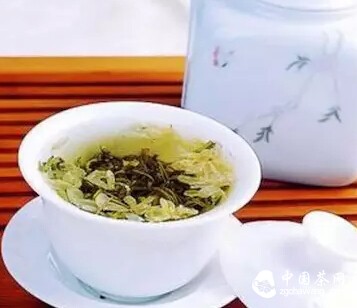
5. Suzhou Jasmine Tea
Produced by the Suzhou Tea Factory in Jiangsu Province. Its production began in the Southern Song Dynasty, with a very long history. It is a traditional famous floral tea in China,被誉为 one of China's Top Ten Famous Teas (unofficial).
Suzhou Jasmine Tea selects roasted green tea (烘青绿茶) from Jiangsu, Zhejiang, and Anhui provinces with good fragrance absorption as the base. It is meticulously scented with jasmine flowers that have a fresh fragrance, mature, large grains,洁白, and glossy appearance. Its production process is exquisite, involving more than ten steps.
The finished Suzhou Jasmine Tea has tightly rolled, fine, and even strips with visible fine hairs (白毫). The dry tea has an oily sheen; the brewed liquor is clear and transparent, with tender leaves at the bottom; the aroma is鲜美,浓厚,清高, the入口 is爽快, and the持久性 is good.
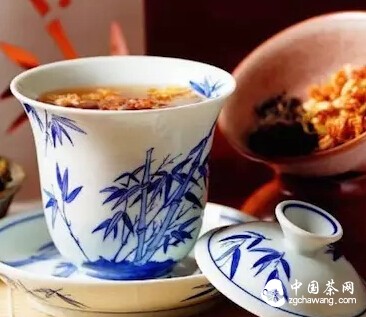
6. Sichuan Floral Tea
Sichuan Floral Tea uses Sichuan Qing tea (川青) produced in places like Mengshan, Sichuan, as the base. It has a unique scenting工艺, with Bi Tan Piao Xue (Jade Pool Floating Snow) as a representative variety, possessing a distinctive style.
Qianwei County in Leshan, Sichuan, is known as the hometown of jasmine flowers. Beijing Yuan Fu Hao Tea House leverages the advantages of the production area, using wild Mengshan tea as the base to develop a new product, Jasmine Da Xia Hao. It is scented with pure natural fresh flowers. Drinking this tea, the floral aroma does not掩盖 the tea aroma, and the tea aroma is mixed with the floral aroma. It has a fresh and爽口 taste, an appearance as plump as large shrimp segments, and the advantage of high耐泡度.