There is a saying: "Aged three years, it is medicine; aged five years, it is elixir; aged ten years, it is treasure."
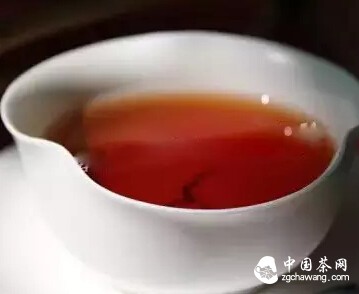
Wuyi Rock Tea is renowned for its unique roasting process. Fresh tea often has a fire taste, making it difficult for newcomers to appreciate the true essence of Rock Tea. After a year of storage, the tea's internal substances transform, allowing the various tea polyphenols of Rock Tea to fully manifest, resulting in a completely different tasting experience. High-quality aged Rock Tea features dark, tightly rolled strips, a rich aroma with woody and aged notes, and a bright red liquor resembling aged wine. It tastes smooth, mellow, and sweet, with a lubricating sensation, promoting salivation and a distinct throat feel. The brewed leaves are thick, dark, and bright, with no astringency. Aged tea is highly durable, remaining flavorful even after over ten infusions, becoming sweeter with each brew.
Beyond its superior flavor, aged Rock Tea has significant medicinal properties. Local farmers in Wuyi Mountain often keep aged tea at home for medicinal purposes. Its benefits include: warming the stomach and dispelling cold, aiding digestion and weight loss, improving vision and calming the mind, reducing 'virtual fire', and expelling pathogenic factors. After drinking, one may experience belching, improved circulation, and slight sweating. High-quality aged tea feels like conversing with a wise elder—calm yet enlightening. It is a rare treasure both for tasting and health preservation, truly "unforgettable"! The tradition of "drinking aged" Wuyi Rock Tea has existed since ancient times, as mentioned in Zhou Liangong's poem from the Ming Dynasty.
However, not all aged tea is good, nor is it necessarily better the older it gets. I have tasted some aged Rock Tea with considerable years, including a 50-year-old Da Hong Pao. Some were excellent, melting in the mouth with endless aftertaste; others lacked the described charm. Thus, good aged tea requires two conditions: first, the original tea must be of high quality (poor tea won't improve with age); second, proper storage is essential to preserve it long-term. If stored poorly, leading to mold or deterioration, it becomes undrinkable. As for lightly fermented, low-roasted new-process oolong tea, and non-fermented green tea, yellow tea, and white tea aged varieties, I haven't tasted them and cannot comment. An article described aged green tea's taste as "astringent, yet not entirely; bitter, yet not entirely; with a hint of subtle sweetness." It seems that for any aged tea, if it is good tea and aged just right, savoring it carefully can reveal the vicissitudes condensed within and inspire some truths about life.
Additionally, here are the key conditions for Wuyi Rock Tea to become good aged tea:
1. It is best to use tea from the core scenic area (Zheng Yan tea) for aging, as its quality and taste are exceptional.
2. The tea must be traditionally processed to maintain the liquor's thickness during aging, meaning the processing is thorough, with heavier shaking during the green-making stage (i.e., fermentation degree above 30%).
3. The tea intended for aging must be roasted to at least a medium-high fire level to prevent moisture regain.
4. Storage conditions must be good: dry, odor-free, and at room temperature (especially not exceeding 30°C in summer). A second-floor warehouse is ideal.