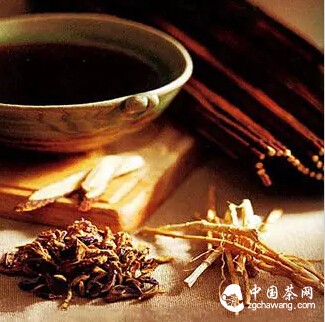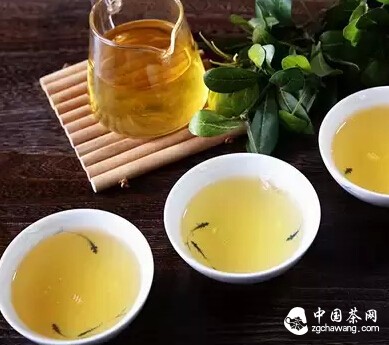
Spring, when all things come back to life, is also a season with frequent rain. The damp climate can easily increase moisture in the body, especially for women, who are more prone to dampness. How to remove dampness? Boiling herbal medicine is too troublesome. Why not drink some tea to dispel dampness? Because tea is diuretic, and diuresis greatly helps in removing dampness. Moreover, tea can promote saliva production. People with heavy dampness tend to have a lot of phlegm, often stuck in the throat. The greatest effect of tea is to promote saliva and moisten the throat. After drinking tea, the throat can feel refreshed.
Green Tea: Best for Removing Dampness
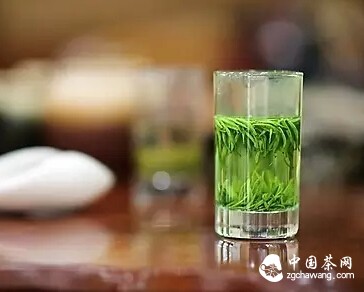
The most effective tea for removing dampness is plain green tea. Because green tea is unfermented—meaning it hasn't undergone oxidation—it retains the original flavor of the fresh leaves to the greatest extent. Components like caffeine and tea polyphenols are largely preserved. Therefore, people with heavy dampness might consider drinking more green tea. Varieties like Dongting Biluochun, West Lake Longjing, and Huangshan Maofeng are all tasty green teas. Green tea is cooling in nature, so it should not be consumed excessively or over long periods. Once your constitution improves, switch to other types of tea. It's best to brew about 3g of tea one hour after a meal, enjoying leisurely post-meal time while the tea aroma fills the air.
For Poor Spleen and Stomach, Drink Oolong Tea
Most people with heavy dampness have poor spleen and stomach function. In this case, you can choose warm, stomach-nourishing teas like oolong tea. Although its dampness-removing effect is not as strong as green tea's, long-term consumption still yields results. If you prefer the fresh taste of scented tea, you can also drink jasmine tea, as it uses green tea as a base and also has good diuretic effects.
For Those Wanting to Nourish the Stomach, Try Ripe Pu-erh Tea
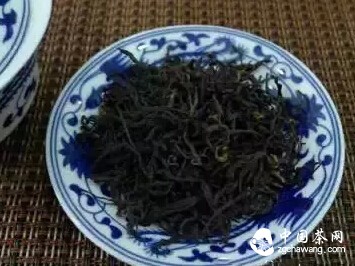
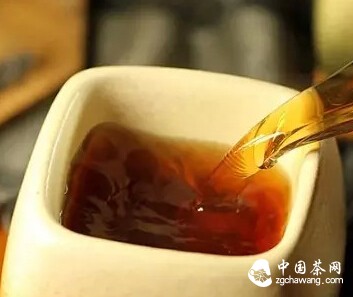
Pu-erh tea is divided into raw tea and ripe tea. Raw tea is slightly cooling and can reduce internal heat, but it is more irritating to the stomach. Ripe tea is relatively milder. For friends with heavy internal dampness who want to remove dampness while also nourishing the stomach, mild ripe pu-erh tea is a good choice.
Drinking More Herbal Tea Can Also Remove Dampness
Additionally, like residents in Guangdong, you can drink more herbal tea that removes dampness. Its ingredients include coix seed, Chinese yam, poria, lily, white atractylodes, wild chrysanthemum, dried rehmannia root, red peony root, honeysuckle, etc. Folk remedies like brewing tea with kapok and frangipani also have certain dampness-removing effects. However, kapok must be thoroughly cleaned before brewing to prevent heavy metal contamination. Furthermore, pay attention to keeping warm with clothing, maintain a dry living environment, strengthen physical exercise, and eat less cold foods like bitter melon and water spinach.