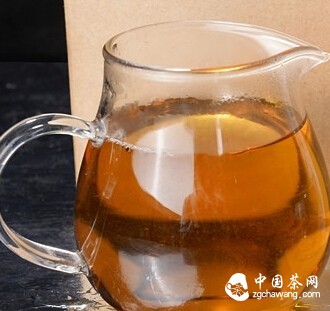
1. Pu-erh tea contains rich pigment components. If you keep some concentrated Pu-erh ripe tea broth in the kitchen to use as a coloring for dishes, it is much healthier than general chemical colorants. Especially for heavily colored dishes like braised pork, adding Pu-erh tea broth will not only give the dish a faint tea aroma but also break down the fat in the meat, making the braised pork less greasy.
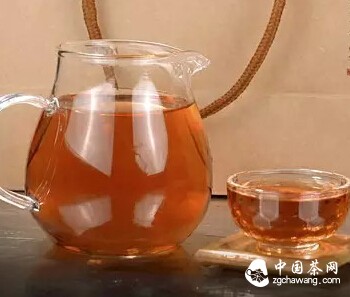
2. New wooden furniture often has a pungent paint smell. Washing it thoroughly once with raw Pu-erh tea broth will naturally reduce those paint smells. Washing several times will make them disappear, much better than soaps or other cleaning agents. Wiping bamboo mats or tatami with tea broth can eliminate sweat odor, remove dust, and make them as clean as new.
3. Pu-erh tea broth can remove grease and dirt. After washing your hair, soaking it in tea broth can make your hair black, soft, and shiny. Most women will find it much better than any conditioner after using it a few times because tea broth contains no chemicals and will not harm hair or skin.
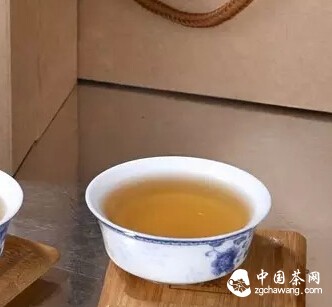
4. Silk clothing is most afraid of chemical detergents. Using brewed raw Pu-erh tea leaves to boil water for washing silk clothes can maintain their original color and make them shine like new. Washing nylon fiber clothes has the same effect. It must be raw tea leaves that have been brewed multiple times until no color remains. Use this method cautiously on light-colored clothes to avoid staining.
5. Pu-erh tea contains a large amount of tannic acid, which has strong antibacterial effects, especially effective against the filamentous fungi that cause athlete's foot. Therefore, people with athlete's foot can boil tea into a strong broth to wash their feet every night, and over time, it will cure without medicine. However, washing feet with boiled tea requires persistence; significant effects will not appear in a short time. The shoes worn by people with athlete's foot often have a foul odor. Using tissue paper to wrap a thin layer of tea leaves as an insole in the shoes can not only eliminate odor but also have a preventive effect.
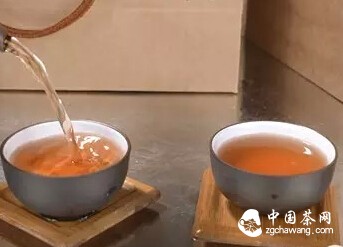
6. Pu-erh tea has anti-radiation effects. If you are a friend who often writes or a student who studies, when your eyes are tired, sore, or even difficult to open, putting half a cup of light tea broth into an eye wash cup to rinse your eyes can relieve fatigue and make blurry vision become bright. Applying hot, used raw Pu-erh tea leaves to the eyes for a few minutes, persistently, has a brightening effect.
7. Using Pu-erh tea broth to wash wounds, ulcers, pus, and blood is an old folk remedy that has been passed down for a long time in rural areas. It can replace alcohol for disinfection and sterilization, combines the mildness of boric acid water, and can also detoxify.
8. Brewed Pu-erh tea leaves still contain nutrients such as inorganic salts and carbohydrates. Piling and burying them in flower beds or pots to ferment as organic fertilizer can help the development and reproduction of flowers and plants. This is much more valuable than treating them as garbage.
9. Do not discard brewed Pu-erh tea leaves. Spread them on a wooden board to dry, accumulate them over time, and they can be used as pillow filling. Tea leaf pillows have effects such as fire prevention, pressure relief, heat clearing, detoxification, eye brightening, and summer heat relief.
10. Dry the used Pu-erh tea leaves. At dusk in summer, lighting them can drive away mosquitoes and is absolutely harmless to the human body, more effective than mosquito coils.
Source: Tea Art