Lao Cha Tou refers to the clumps that form on the top layer during pile fermentation. These are usually compacted into blocks, fully fermented, and tea factories will separate and store these teas individually. Typically, for a 20-ton pile of ripe Pu-erh, only 100-300 kilograms of Lao Cha Tou are produced. The core value of Lao Cha Tou lies in its rich pectin content. Compared to regular ripe tea, it produces three special effects: first, it is particularly durable through multiple infusions; second, the tea soup is exceptionally smooth; third, it has noticeable health benefits for the gastrointestinal tract.
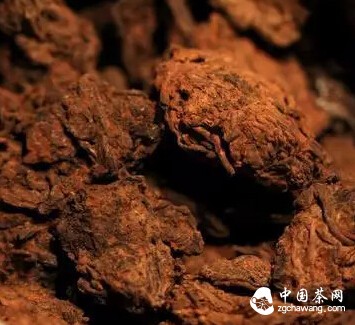
In the past, these self-agglomerated tea clumps from pile fermentation were not particularly noticed. They were also difficult to break apart and not very aesthetically pleasing, so they were generally treated as scrap material. Later, it was unexpectedly discovered that these self-formed tea balls had a mellower and more fragrant aroma. This also reminds us how many seemingly insignificant beautiful things in our lives we have discarded like Lao Cha Tou, always leaving a trace of regret when we think of them again.
Nowadays, Lao Cha Tou is increasingly sought after, leading to the appearance of Lao Cha Tou cakes and bricks. Today, Dayi's Lao Cha Tou has been endowed with more meaning. It is no longer just a tea product derived from scraps as understood in the past, but a product of its time with good drinkability, embodying tea history and connotation. Due to its excellent taste and liquor color, coupled with its limited production, its value appreciation rate ranges between 20%-30%, indicating significant potential for value increase. Dayi Lao Cha Tou is carefully selected and meticulously crafted, compactly condensing history, steamed and pressed to build brilliance, offering a rich, refreshing, and smooth taste, making it truly worthy of appreciation and collection by tea enthusiasts.
Lao Cha Tou is a relatively unique ripe tea among Dayi's Pu-erh teas. Its characteristics include durability through infusions, strong tea energy, and a good returning sweetness. It also has a faint jujube aroma that becomes stronger with each sip. The experience of drinking "Lao Cha Tou" is indeed different. In the end, you can even boil the spent leaves to drink, with the tea soup revealing a light sweetness.
Selection and Brewing Methods for Pu-erh Lao Cha Tou
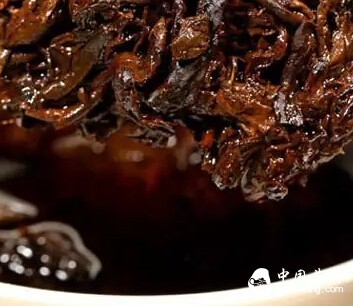
Choose pieces that are relatively loose. Those compacted as hard as a stone might as well be avoided. The leaf strands should be distinct, the surface clean, the aroma pure, the taste mellow, the liquor color clear and transparent, and the flavor normal. Lao Cha Tou is not garbage; if stored well and of good quality, it can be an excellent product. Manually breaking it apart is possible, but it results in significant loss and too much powder.
For aged, clean Pu-erh Lao Cha Tou, a quick rinse once is sufficient. For new Lao Cha Tou, it is recommended to rinse vigorously for about 20 seconds, or twice for 10 seconds each. Some aged Pu-erh Lao Cha Tou may not necessarily loosen after multiple infusions, but at least the leaf strands should be very clear, and the fermentation degree evident at a glance. If you see spent leaves with a reddish-muddy color or an extremely turbid liquor, it is advised not to drink it! After brewing, mainly observe whether the liquor color is bright and clear, and whether there are any off-flavors or odors.