Currently, some tea on the market smells very fragrant, but when brewed, it lacks tea flavor. Many people suspect that this is caused by unscrupulous businesses adding flavoring agents to the tea leaves. So, is there flavoring added to tea? This must start with the discussion of tea's fragrance.
Generally speaking, the fragrance of tea depends on three aspects: the tea plant variety, processing, and storage. Taking Dancong tea as an example, different varieties from different regions have common fragrance types such as gardenia, magnolia, honey orchid, orchid, almond, and cinnamon floral notes. Huangjingui, similar to Tieguanyin, is a typical example of high fragrance but light taste. During later processing, depending on the control of fixation and roasting, some teas may have a higher fragrance but a lighter taste, or a stronger tea taste but lower aroma. This depends on the tea maker's intention and the skill level of the master. Finally, if tea is not stored properly, it is prone to absorbing odors and mold, which greatly affects its fragrance. Therefore, the fragrance of new tea is generally higher than that of aged tea.
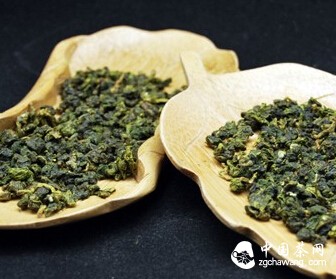
Furthermore, if the brewing method is incorrect or poor-quality water is used, it can also significantly affect the tea's aroma and taste.
So, is there tea with added flavoring agents on the market? The answer is definitely yes. This type of tea is generally low-priced, commonly made from aged or leftover tea leaves that are refreshed by adding flavorings and pigments, or from poor-quality tea enhanced with flavorings. No one would use such a detrimental element to ruin the inherent aroma and taste of truly good tea.
Therefore, the best way to avoid drinking tea with added flavorings is to purchase from major merchants or brand stores. Additionally, when dining in restaurants, try to drink less of the complimentary pre-meal tea and opt for plain water instead.
If you have already bought tea and want to determine whether flavorings have been added, there are methods. Using Tieguanyin as an example, here is an explanation.
First, due to Tieguanyin's unique processing technique, its dry leaves are not highly fragrant. If you hold a handful of Tieguanyin close to your nose and the aroma is subtle and natural, it generally has no additives. Conversely, if the dry leaves have an intense, overpowering smell that lingers in your nose, the likelihood of added flavorings is high.
Second, you can rub the tea leaves with your hands. If some powder or color adheres to your palms, it indicates the addition of certain additives.
Third, if the tea soup becomes cloudy or emits a very high aroma after brewing with 80°C water, it likely contains flavorings. This is because Tieguanyin requires water above 95°C to release its proper aroma and flavor, while most flavorings dissolve and release their scent rapidly at 80°C.
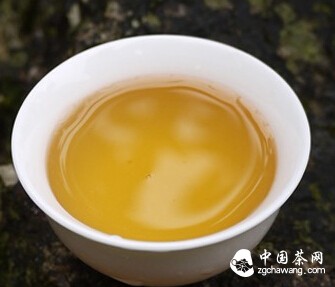
Fourth, after brewing, if the tea fragrance decreases rapidly with each infusion, lacks variation, or even disappears by the third brew, it might also indicate added flavorings.
Fifth, after drinking the tea, do not wash the cup immediately. Leave it overnight, and the next morning you will find a thick layer of tea stain in the cup. If the stain color is light yellow, dark yellow, orange-yellow, or other yellow-orange hues, it generally indicates the tea contains no additives. Conversely, if the stain appears light green, dark green, forest green, or other colors, it suggests the tea may contain additives.