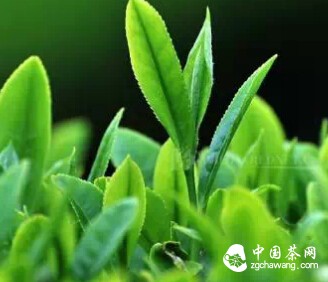
Introduction: Spring has arrived, willow branches have turned green, peach blossoms are blooming, the weather is fine, tea buds are sprouting, and in about a week, spring tea from various regions will be available in large quantities. So, how can one distinguish between old tea and new tea? Experts suggest that when selecting tea leaves, it is best to master the methods of looking, smelling, and tasting.
First, observe the color and uniformity of the tea leaves' appearance. The most notable feature of good green tea is its vibrant emerald green color and relatively tight strands (referring to the shape specifications of various dried teas, such as round pearl tea or flat Longjing tea). Consistent green tea indicates it was produced on the same day, in the same batch, or by the same producer. If the tea contains many broken pieces, it may have undergone long-distance transportation or prolonged storage.
A fresh aroma is also a significant characteristic of good green tea. Generally, smelling the dry leaves directly is the best method. Take a cup, warm it with hot water first, then add the tea leaves and smell the fragrance. Good tea typically emits a fresh and lasting aroma. If refrigerated, it may still retain a relatively good fragrance but not as持久.
Observe the unfurling of the tea leaves when brewing. Place green tea in a glass cup, pour in hot water at 80°C–90°C. If the tea leaves sink quickly, unfurl promptly, release a pleasant tea aroma, taste mellow and refreshing, the tea liquor is bright green, and the buds are plump, this is new tea. Conversely, if the tea leaves sink slowly in the water, the leaves unfurl sluggishly, the aroma is dull and闷, the taste is bland and unsatisfying, the liquor appears yellowish, and the leaves feel thin and light, it is likely old tea or tea from other seasons.