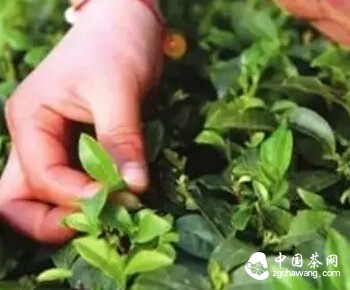
Spring has arrived once again, and green tea is about to flood the market. Looking at almost all green tea available today, most recommend using a glass cup for brewing.
The so-called suitability of a glass cup is: to observe its shape, smell its aroma, and taste its flavor.
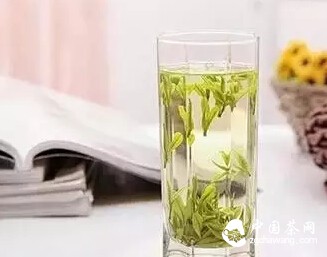
However, the most critical factors affecting the tea soup are: steeping temperature and infusion time. How can these be controlled with the cup brewing method?
Left entirely to the drinker's control?
Don't assume that habit equals correctness. The methods of brewing tea have always been evolving. If you want to talk about habit, "which dynasty's habit are you following?" The key is to be scientific.
Many people say Longjing tea doesn't taste good. A Gan believes the brewing method is a major reason.
Have you not seen a cup of Longjing, steeped until it turns dark, becoming unbearably bitter and astringent? It's like a dish where saltiness overpowers all other flavors; for tea soup, over-steeping inevitably leads to bitterness, and extreme bitterness masks all other tea flavors, leaving only bitterness. How can it taste good?
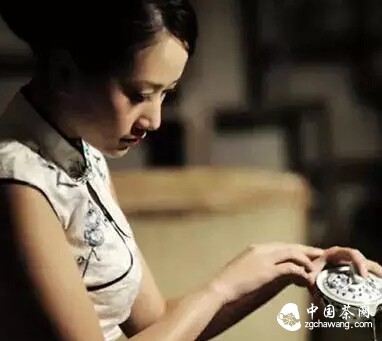
Taking Longjing as an example: Good Longjing tea, brewed in a lidded bowl (or porcelain pot), infused for an appropriate time, and served in separate cups, can yield about ten infusions. Moreover, the soup color remains elegant, allowing one to细细品味 the subtle wonders of Longjing.
Brewing green tea with a lidded bowl (or porcelain pot) allows control over the steeping time. By observing the soup color to decide when to pour, one can experience the different flavors across infusions: initially brisk and fragrant, later becoming sweet and mellow—truly marvelous.
Therefore, I suggest that green tea is best brewed in a lidded bowl (or porcelain pot) and served in separate cups.
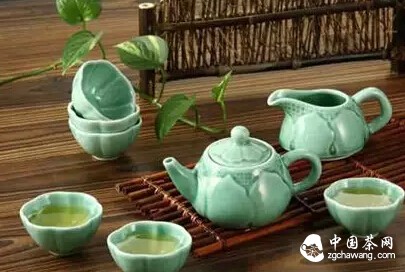
Reasons are as follows: (not elaborated in detail)
1. Facilitates control over the taste of the tea soup;
2. Increases the number of infusions, balancing the strength of the tea soup;
3. Allows appreciation of the subtle flavor changes in green tea;
4. Expands the space for showcasing green tea tea art;
5. If you really want to display the visual beauty of green tea leaves, you can use a glass lidded bowl or glass pot;
6. Based on practical comparison, A Gan believes fine white porcelain and celadon are most suitable for brewing green tea, as they can enhance its mellowness and醇厚; purple clay and iron pots are not recommended.
7. Lidded bowls are good for observing shape but may disperse aroma; porcelain pots concentrate aroma and enhance flavor, but care must be taken not to steep for too long; choose based on need.
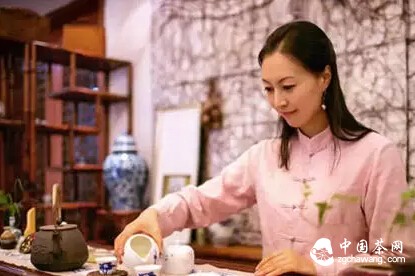
In fact, professional tea masters have long adopted the method of brewing green tea with a lidded bowl (or porcelain pot).
I have always been advocating for green tea, but we ourselves should not become complacent. Changing the method, shifting perspectives, is not necessarily a bad thing. For example: the small-cup, less-tea, warm-brewing method is also possible;还有碗泡法等等.
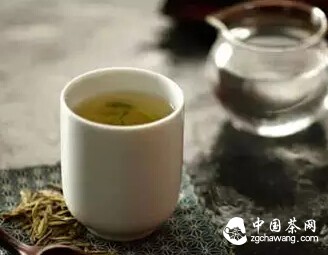
In short, with scientific analysis and creative experimentation, green tea is sure to reclaim its rightful status: dominating seven-tenths of the world!