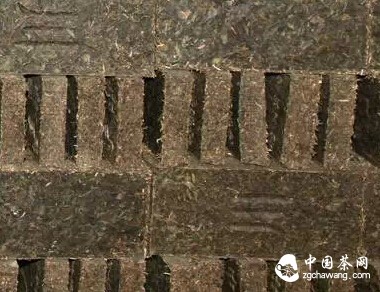
Heizhuan, Huazhuan, Fuzhuan, and Qingzhuan are known as the four pillars of dark tea. Many tea enthusiasts only know they are dark teas but are unaware that ink has five shades and black has its variations, often confusing them. Here is some科普 (popular science) for learning.
【Process Differences】
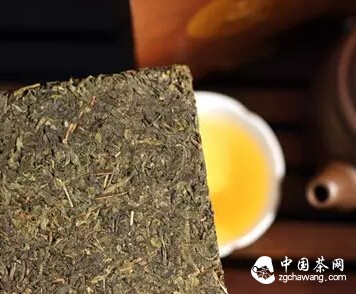
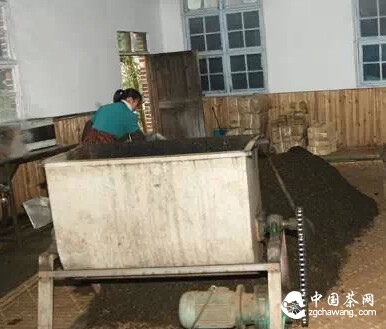
Heizhuan and Huazhuan: Their processing is大致 (largely) similar. First, the raw tea is screened and impurities removed, followed by blending. Then it goes through weighing, steaming, machine pressing, cooling, brick removal, inspection, drying, and packaging. The drying period in the baking room is about 10 days, with gradual temperature increase, reaching up to 70°C upon completion.
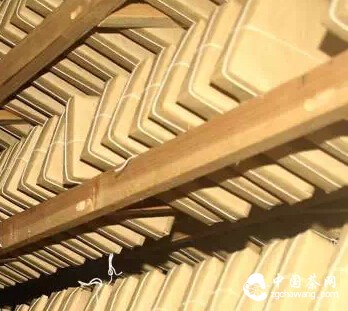
Fuzhuan Tea: The initial stage is similar to Heizhuan, but the pressing pressure is lighter. The key difference is the special "flowering" process in the baking room. The flowering period lasts about 15 days, followed by a 5-day drying period. This allows the rapid growth of Eurotium cristatum under specific temperature and humidity conditions, forming golden-yellow spore sacs, commonly known as "flowering."
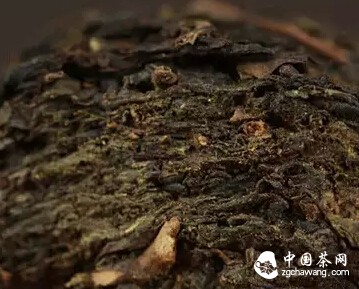
Qingzhuan Tea: When the raw tea is stored, it is only 70-80% dry. It undergoes natural fermentation through堆放 (piling) in ventilated storage before processing. The pressing and drying processes are基本 (basically) similar to Heizhuan, but the tea brick is pressed more tightly.
【Raw Material Differences】
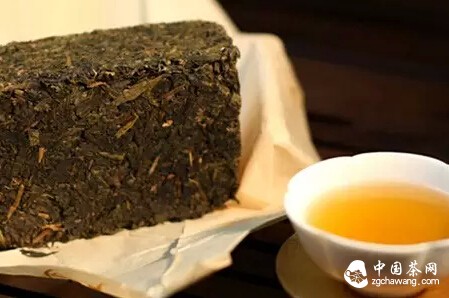
Heizhuan Tea: The raw materials are divided into "surface tea" and "inner core tea." The surface tea consists of high-grade secondary or tertiary dark raw tea, while the "inner core" is made of tertiary, quaternary dark raw tea, and some reformed old green tea.
Huazhuan Tea: Huazhuan evolved from Huajuan (Qianliang Tea). It primarily uses tertiary dark raw tea, blended with some secondary dark raw tea, excluding old green tea and lower-quality dark raw tea.
Fuzhuan Tea: Special-grade Fuzhuan is processed from tertiary, quaternary dark raw tea and reformed old green tea. The raw materials for普通 (regular) Fuzhuan are slightly lower in quality than the special grade.
Qingzhuan Tea: Divided into three parts: surface, second surface, and inner tea. The top layer is called the surface, with the best quality; the bottom layer is the second surface, of次之 (secondary) quality; the main middle part is the inner tea, also called the core, with poorer quality. The surface tea undergoes initial processing including fixation, initial rolling, initial sun-drying, re-frying, re-rolling, pile-fermentation, and final sun-drying—seven steps. The inner tea goes through fixation, rolling, pile-fermentation, and sun-drying—four steps.
【Quality Differences】
Heizhuan Tea: The surface is even without exposed core. The appearance is dark brown. The aroma is pure, with a slight smoky pine scent; the taste is robust and slightly astringent; the liquor is红黄微暗 (reddish-yellow and somewhat dull); the brewed leaves are dark brown. Aged tea has a camphor aroma and a mellow taste.
Huazhuan Tea: The brick surface is consistent, dark brown. The aroma is pure with a smoky pine scent; the taste is rich and mellow; the liquor is红黄 (reddish-yellow); the brewed leaves are dark褐尚匀 (brown and fairly even). Aged tea has a camphor aroma and a mellow taste.
Fuzhuan Tea: Special-grade Fuzhuan should have a yellowish-brown appearance, a slightly looser brick. When opened, it shows "abundant golden flowers," golden-yellow in color with large颗粒 (granules); the aroma is pure with a "fungal flower" scent; the taste is mellow with a "fungal flower" flavor; the liquor is红黄尚明 (reddish-yellow and fairly bright); the brewed leaves are dark褐尚匀 (brown and fairly even). Regular Fuzhuan is slightly inferior to the special grade. Aged tea has a strong fungal flower aroma.
Qingzhuan Tea: The appearance is bluish-brown. The aroma is pure. The taste is尚浓 (fairly strong) without greenness; the liquor is红黄 (reddish-yellow); the brewed leaves are dark black. Aged tea has a sweet taste.