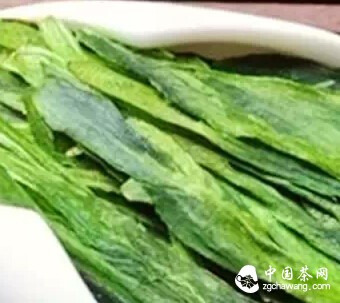
1. What are the best green teas?
West Lake Longjing, Dongting Biluochun, Huangshan Maofeng, Taiping Houkui, Liuan Guapian, Xinyang Maojian, Lushan Yunwu, Laozhu Dafang, Zhuyeqing, etc. These have been famous throughout history, often as tribute teas.
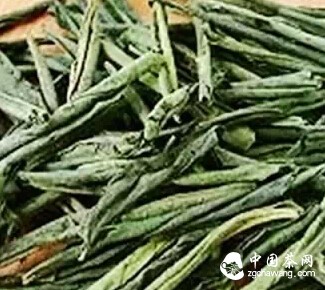
2. How to appreciate green tea?
The brewed tea should look clear with green leaves, emit aromas of roasted chestnuts, beans, or boiled young corn, and taste fresh and brisk with astringency. Astringency refers to the sensation felt when you swirl the tea in your mouth before swallowing; the sides of the tongue feel slightly bitter and tightened. This is a characteristic taste unique to green tea. Combined with the emerald green tea leaves, lofty fragrance, green tea appears outstanding, elegant, and refined.
3. What is China's number one tea?
Among the teas produced in villages around West Lake in Hangzhou like Longjing, Shifeng, Meiwu, Hupao, and Yunqi, all are excellent, with Shifeng being the best. Longjing tea has a green, moist appearance and a flat shape. When brewed, it releases a fresh olive-like fragrance, tastes exceptionally brisk, and looks beautiful in a glass with clear broth and green leaves. Historically, the West Lake scenery often served as the backdrop for Emperors Kangxi and Qianlong during their incognito tours of southern China, and Longjing tea was praised by the emperors and required as annual tribute. Today's Longjing tea is a model combining traditional tea culture with modern scientific cultivation and management.
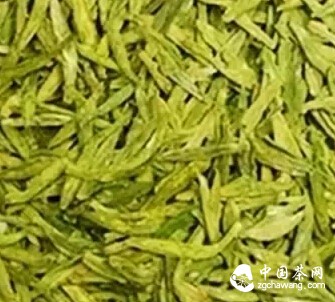
4. The legend of Biluochun?
On an island in Dongting, Taihu Lake, Jiangsu, filled with orange, bayberry, and other fruit trees, tea bushes were planted among the groves. Every year before Qingming, the tender buds and leaves picked from these tea bushes were made into a tea shaped like a snail. When brewed, it naturally exudes a lasting, clear floral and fruity aroma. Locals called this tea "Xiasheren Xiang" (Astounding Fragrance).
Emperor Kangxi (or Qianlong, according to different accounts) tasted it during a tour and greatly admired it. Upon hearing its vulgar name, he frowned and said it was too crude. Noting its spiral shape and jade-green color, he suggested it should be called "Biluochun" and decreed it must be offered as tribute henceforth. Biluochun is a famous tea among famous teas, known for its high fragrance, beautiful shape, and pure, fresh taste.
Now, top-grade Biluochun from its origin contains about 130,000 to 140,000 buds per kilogram, while tea of similar grade made from Yunnan large-leaf varieties has only about 40,000 to 50,000 buds per kilogram, demonstrating its fineness and exquisite standards.
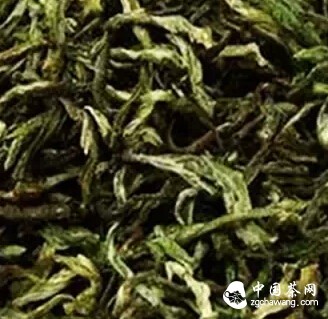
5. What is unique about Taiping Houkui?
Over 100 years ago, in Houkeng, Sanhe Village, Xinming Township, Huangshan District, Anhui, there was an ancient, native tea variety. Its characteristic was exceptionally long and tender internodes (the stem between the bud and leaf, or between leaves) on new shoots. The picking standard is often one bud with two leaves, commonly called "two knives and one spear." During processing, after fixing (kill-green), the leaves are not rolled but pressed flat and then dried. The finished dry tea has an appearance of two leaves embracing one bud, flat, straight, robust, and substantial.
It is often said: "Houkui has two pointed ends, does not scatter, curl up, or roll at the edges." Its color is a uniform, moist dark green with hidden pekoe. The leaf veins are green with hidden red lines, commonly called "red silk threads." When brewed in a cup, the leaves slowly unfurl. The liquor is clear, bright green, with a lofty orchid fragrance and a sweet, mellow taste, possessing a unique "monkey rhyme" (Houyun). When tasting, one can appreciate the意境: "The first infusion is highly fragrant, the second infusion is rich in flavor, and the third and fourth infusions still retain a subtle fragrance."