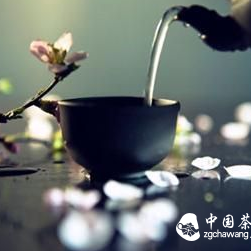
After Drinking This Cup of Tea, Enjoy This Elegance!
The author recalls a childhood habit of drinking water in the morning, which later evolved into a habit of drinking tea. He enjoys all kinds of tea, especially overnight tea, which he finds cool and fragrant. He compares overnight tea to a kind of reserved and introverted beauty, similar to Xue Baoc...
Tea News · Jun 26, 2026
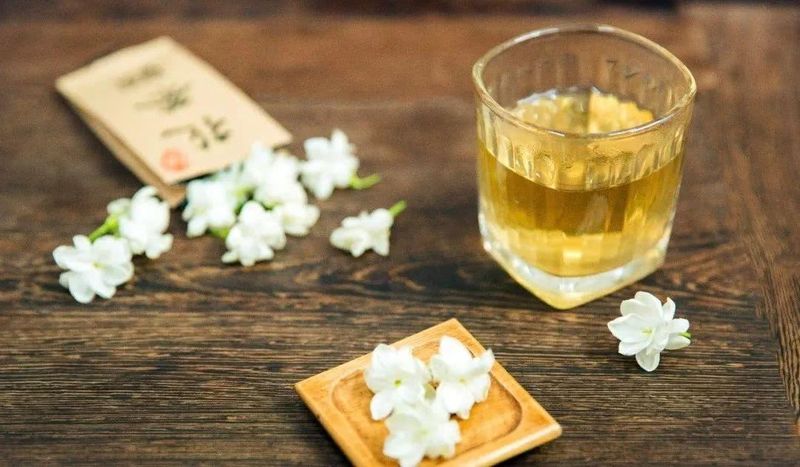
Do You Know the Top Ten Famous Teas? Which One Is Your Favorite?
China's top ten famous teas include West Lake Longjing, Biluochun, Huangshan Maofeng, Lushan Yunwu, Lu'an Guapian, Junshan Yinzhen, Xinyang Maojian, Wuyi Rock Tea, Anxi Tieguanyin, and Qimen Hongcha. Longjing is known for its flat and smooth leaves and delicate fragrance, while Biluochun is prized f...
Tea News · Jun 14, 2026
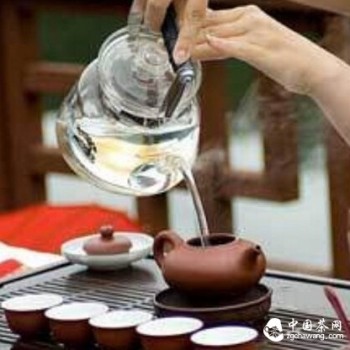
Brewing Time for Various Types of Tea
This article shares the optimal brewing times for different types of tea. For delicate Biluochun, steep for 2–3 minutes after adding hot water. Longjing and Huangshan Maofeng require a 4-minute steep with a lid. Pu'er tea, a type of dark tea, benefits from a 5-minute steep and a crucial rinsing step...
Tea News · May 06, 2026
The Three Lives of Tea
The three lives of tea trace its journey from a living tree, through harvest and processing, to the final infusion that releases its essence. From ancient tea forests in Yunnan to the Ming dynasty innovation of pan-firing, each stage shapes its character. The third life begins when water meets the l...
Tea News · Apr 27, 2026
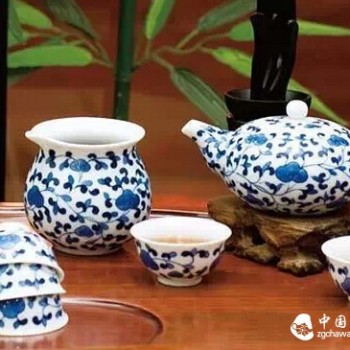
Which types of people are each of the six major tea categories suitable for?
Different types of tea have different production processes and characteristics, making them suitable for different individuals. Green tea is ideal for busy young people, black tea suits those with weak stomachs, oolong tea is recommended for overweight individuals, flower tea benefits women, white t...
Tea News · Apr 25, 2026
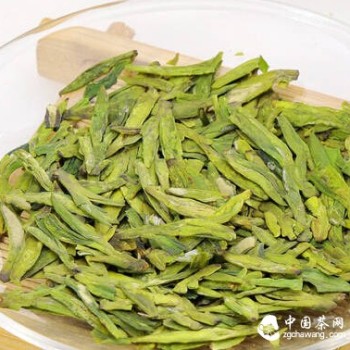
The Taste of China's Major Famous Teas
China boasts a long history of tea with a high international reputation. Its tea varieties are as rich and exquisite as a 'Manchu-Han Imperial Feast.' Among the numerous famous teas, twelve are most frequently celebrated: West Lake Longjing, Dongting Biluochun, Lushan Yunwu, Huangshan Maofeng, Xinya...
Tea News · Apr 13, 2026

Why Do You Drink Tea?
For the author, drinking tea is a form of self-perception in life—it's not about loving tea itself, but about loving the self while savoring it. Tea tasting is a pleasure, a pastime, and an indulgence. In moments of tranquility, brewing a cup of tea allows one to immerse in its subtle fragrance, as...
Tea News · Apr 03, 2026
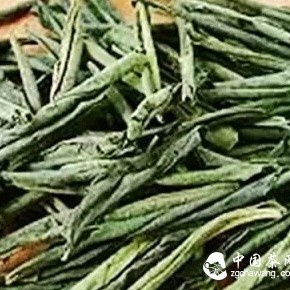
China's Number One Tea
The article explores China's renowned green teas, focusing on Longjing Tea from West Lake's Lion Peak as the premier choice, historically favored by emperors. It details how to appreciate green tea's clear broth, green leaves, and unique astringency. Other highlights include Biluochun's legendary or...
Tea News · Mar 28, 2026
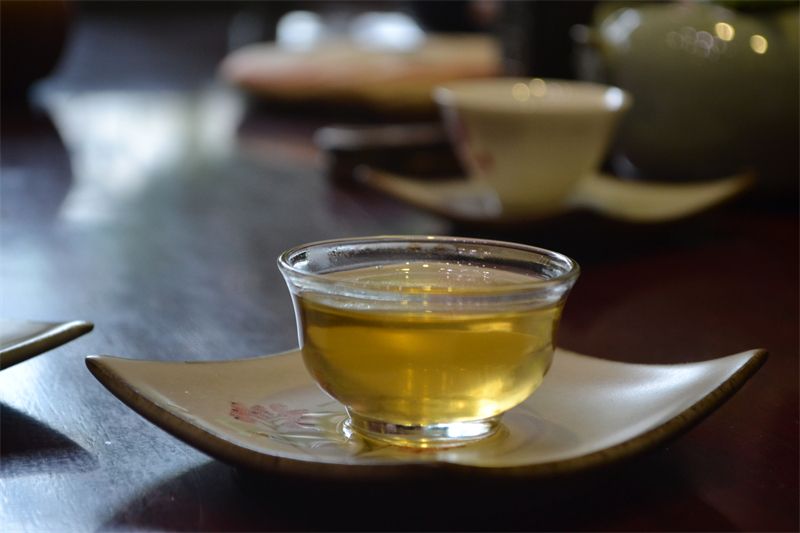
Does Dongting Mountain Biluochun Have Summer and Autumn Tea?
Dongting Mountain Biluochun, a renowned Chinese green tea, is exclusively harvested in spring and does not produce summer or autumn tea. Spring tea benefits from winter dormancy, accumulating nutrients, resulting in vibrant green color, plump leaves, rich aroma, and abundant white hairs. In contrast...
Tea News · Mar 14, 2026
100 Questions on Tea Knowledge Encyclopedia? A Must-Read for Tea Enthusiasts
This article serves as a comprehensive tea knowledge encyclopedia, answering 100 essential questions for tea enthusiasts. It systematically introduces the definition, characteristics, classification, and representative varieties of major tea categories, including green tea, black tea, and oolong tea...
Tea News · Mar 08, 2026