一、不茶: This refers to those who simply do not drink tea. Tea is now considered a national beverage and has health benefits. It's a pity for those who don't drink it (except those who cannot due to objective conditions).
二、厌茶: These people can drink tea but do not like it. Tea has been honored as one of the world's three major beverages. Those who dislike tea are often young people accustomed to soft drinks like cola. To them, tea lacks a stimulating taste and requires time to brew, making it naturally unpopular.
三、惰茶: They know how to drink and don't dislike it, but are too lazy to spend time sitting down to brew a pot of tea. Tea can clear the mind, but if the mind is not tranquil, where would one find the time to drink such a troublesome thing as tea?
四、隐茶: They know how to drink, love to drink, but are stingy, preferring to hide and enjoy it alone. As the saying goes: Enjoying alone is not as good as enjoying with everyone. The greatest joy comes from sharing good things with others.
五、商茶: They know how to drink and love to drink, but only bring out good tea to share with others when there is potential gain. Attending such a tea gathering is no less than attending a Hongmen Banquet (a banquet fraught with danger).
六、美茶: The "beauty" here does not refer to "good tea," but to beautiful women. This is tea consumed solely for the sake of the秀色可餐 (feast for the eyes) tea art master before the流水茶盘 (running water tea tray). Note, it's not for drinking tea, but for consuming tea as an experience.
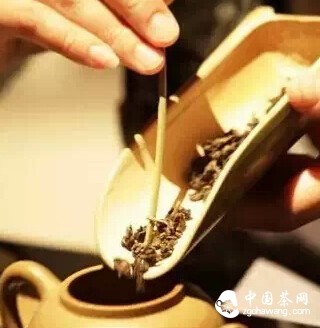
七、醒茶: Using tea to refresh and clear the mind.
八、饭茶: Drinking tea to aid digestion and increase appetite.
十、爱茶: Called tea apprentices, they focus on pursuing the情趣 (interest, charm) of tea. They observe the tea soup, smell the tea aroma, taste the tea flavor, and can explain the origin, vintage, and characteristics of the tea. 九、学茶: Called tea novices, they are learning the true realm of tea. Some have said that in front of tea, one is always a student. It's not that tea leaves are particularly profound or difficult to understand, but that drinking tea is "drinking beyond the tea itself," much like the Zen Buddhist koan "go drink tea."
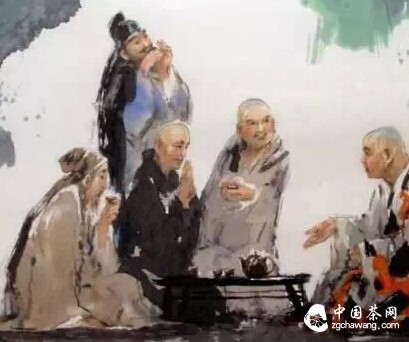
十一、嗜茶: Called tea guests, they are沉迷 (indulged, engrossed) in the true taste of tea. They do not seek the tea's origin, source, or year, but only seek to drink the tea that truly resonates in their heart.
十二、耽茶: Also called tea enthusiasts, they experience the true realm of tea through practical action.
十三、暴茶: Called tea maniacs, they seek only the茶道 (Way of Tea). At this stage, there is a feeling of going overboard,一不小心 (if one is not careful) one falls into "obsession and greed."
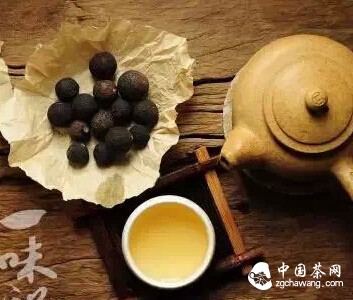
十四、长茶: Called tea immortals, they are thoroughly familiar with the茶道 and have attained its essence. As stated in "The Ultimate Meaning of the Way of Tea": As for tea, it lies in the heart, not in the technique; it lies in the technique, not in the heart. When both heart and technique are absent, a single flavor is revealed. This is the wonderful Way of Tea.
十五、惜茶: Called tea sages, they cherish both tea and human relationships. In one's lifetime, there are gains and losses. Cherishing human relationships is also cherishing the present moment.
十六、乐茶: Called tea saints, they have reached a state where whether they drink tea or not, in the presence of tea, they are content and at ease.
十七、观茶: Called tea patriarchs, they find joy simply upon seeing tea, and no longer need to drink it.
十八、废茶: Called涅槃茶 (Nirvana Tea), this is a境界 (realm, state) where one can reach another境界 through tea.