"Pu-erh Tea" stands out among the many types of tea not only for its quality but also for its unique drinking methods and remarkable effects. Enjoying "Pu-erh Tea" involves two basic methods: "brewing" (which includes steeping and infusing) and "boiling." Loose-leaf Pu-erh tea is mostly consumed using brewing methods; for brewing "Pu-erh Tea," a white porcelain lidded bowl is used as the tea vessel, and a copper or purple clay pot is used as the water vessel. For compressed Pu-erh tea, boiling in an earthenware pot is preferred, sometimes supplemented with seasonings (green onion, ginger, salt, sugar, etc.). In addition, there are many unique drinking methods, such as the Hani people's large-pot tea (boiled clear tea), earthen pot tea, steamed tea; the Yi people's roasted tea (salt tea); the Dai people's three-flavor tea; the Lahu people's large-pot tea; the Blang people's sour tea, boiled green bamboo tea; the Wa people's iron-plate roasted tea, etc., each with its own distinctive taste and remarkable effects. Tea drinking has been an indispensable part of daily life for all ethnic groups in Pu-erh since ancient times, truly encapsulated in the saying: "A cup in the morning brings vigor all day; a cup at noon eases labor; a cup at night refreshes and relieves pain; three cups a day, come rain or shine." Among the many unique drinking methods for "Pu-erh Tea," Pu-erh roasted tea, Pu-erh oil tea, and Pu-erh butter tea are particularly beloved by people for their wonderful effects.
(I) Traditional Tea Art
Fixed-Point Brewing Method
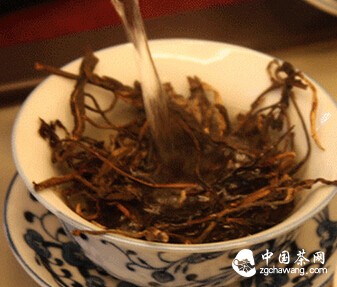
Specifically divided into 10 steps: First, "Peacock Spreads Its Tail," which is displaying the tea set to guests; second, "Warming the Pot and Cleaning the Utensils," rinsing the tea set with boiling water; third, "Pu-erh Enters the Palace," placing tea leaves into the bowl, with the amount being one-fifth of the bowl's volume; fourth, "Playing Dragon in the Water," pouring boiling water from a copper pot into the lidded bowl at a 45-degree angle, allowing the tea leaves to roll and wash with the water flow, fully releasing their true flavor; fifth, "Pouring Over the Pot to Increase Temperature," using the tea soup from the bowl to rinse the fairness pitcher; sixth, "Auspicious Dragon Brings Rain," pouring boiling water from low to high into the lidded bowl; seventh, "Pouring Soup into the Pot," skimming off the foam from the bowl and pouring the tea soup into the fairness pitcher (1st to 3rd infusion, 1–3 minutes); eighth, "Phoenix Nods Its Head," pouring the tea soup into the fairness pitcher with a "phoenix nodding three times" motion; ninth, "Showering Sweet Dew," evenly pouring the tea soup from the pitcher into tasting cups (bowls) (to about 70% full); tenth, "Raising Cups to Eyebrows in Respect," raising the cups to eyebrow level and respectfully offering them one by one, then placing the tasting cups (bowls) in a circular arrangement on a tray to serve guests.
Welcome (Nine-Step) Tea is commonly seen in household receptions in Pu-erh. Because it involves nine procedures, it is called "Nine-Step Tea." First, appreciating the tea: placing the tea leaves on a small tray for guests to observe their shape, color, and aroma; second, warming the pot and cleaning the utensils: cleaning the tea set with boiling water; third, placing the tea: putting tea leaves into the pot at a ratio of 1 gram of tea to 40–50 milliliters of water; fourth, rinsing the tea leaves (also called awakening the tea): pouring boiling water into the pot to about 30–40% full, letting it sit for about 1 minute, then discarding the water; fifth, steeping the tea: pouring boiling water into the pot to about 40–50% full, letting it sit for 1–2 minutes; sixth, blending the tea: pouring boiling water into the pot until full, adjusting the concentration of the tea soup; seventh, pouring the tea: dividing the tea soup into three portions to pour into tasting cups; eighth, serving the tea: following tea etiquette, serving tea in order to elders, ladies, gentlemen, and children; ninth, tasting the tea.
Pu-erh Three-Flavor Tea: In addition to the above drinking methods, "Pu-erh Three-Flavor Tea" is also quite charming. The first flavor is the Hani people's boiled clear tea, with clear soup, green leaves, high aroma, and mellow taste; the second flavor is the Yi people's salt tea, with rich flavor, refreshing and promoting saliva; the third flavor is the Dai people's honey tea, mellow and sweet, with remarkable effects. Tasting Pu-erh Three-Flavor Tea while enjoying tea art performances is not only an artistic enjoyment but also an opportunity to contemplate the process and true meaning of life through the three flavors. Because tea accumulates the essence of life, tasting tea is tasting life.
(II) Special Drinking Methods
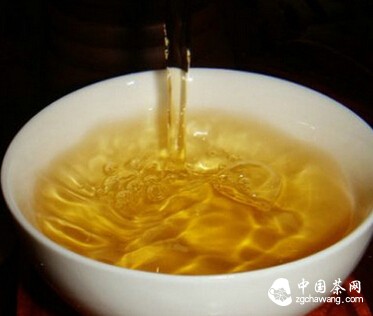
Pu-erh Roasted Tea: Place "Pu-erh Tea" in a clay pot and slowly roast it over a fire pit until fragrant. The method is: while roasting, constantly rotate the pot to ensure even heating. When the tea leaves turn yellow and the stems puff up, promptly pour boiling water into the pot. After boiling, pour it into tea utensils for drinking. This is roasted "clear tea." Additionally, adding an appropriate amount of raw salt during roasting makes "salt tea."
Pu-erh Oil Tea: First, heat a clay pot on a fire pit until hot. Then add a small amount of lard or chicken fat, a little salt (or sugar), an appropriate amount of "Pu-erh Tea," and some peanuts (rice, sesame, or walnuts can also be used). After frying until golden, pour boiling water into the pot. Once it boils, pour it into tea utensils and drink while hot.
Wa People's "Iron-Plate Roasted Tea": Called "Wang La" in the Wa language, its preparation method is similar to "roasted tea." The method is: first boil water in a clay pot. Place tea leaves on an iron plate and roast over a fire until the tea turns golden brown and fragrant. Then pour the tea leaves into the boiling water, remove from heat after a moment, and pour out to drink. It is characterized by a roasted aroma with bitterness and sweetness.
Blang People's "Sour Tea": Pick fresh leaves from May to June each year, boil them, and place them in a dark place for 10–15 days to ferment. Then pack them into bamboo tubes, seal them, and bury them in soil. After one month, take them out for consumption. The consumption method is to chew slowly and swallow. Its characteristics are quenching thirst and aiding digestion.
Dai People's Three-Flavor Tea: Namely "Bamboo Tube Tea," "Flower Tea," and "Lemon Tea," each with its own distinctive charm. Bamboo Tube Tea is a household tea of the Dai people, used for entertaining guests at home. Its preparation method is: pack sun-dried green tea into fresh fragrant bamboo tubes and roast them over a fire pit frame.